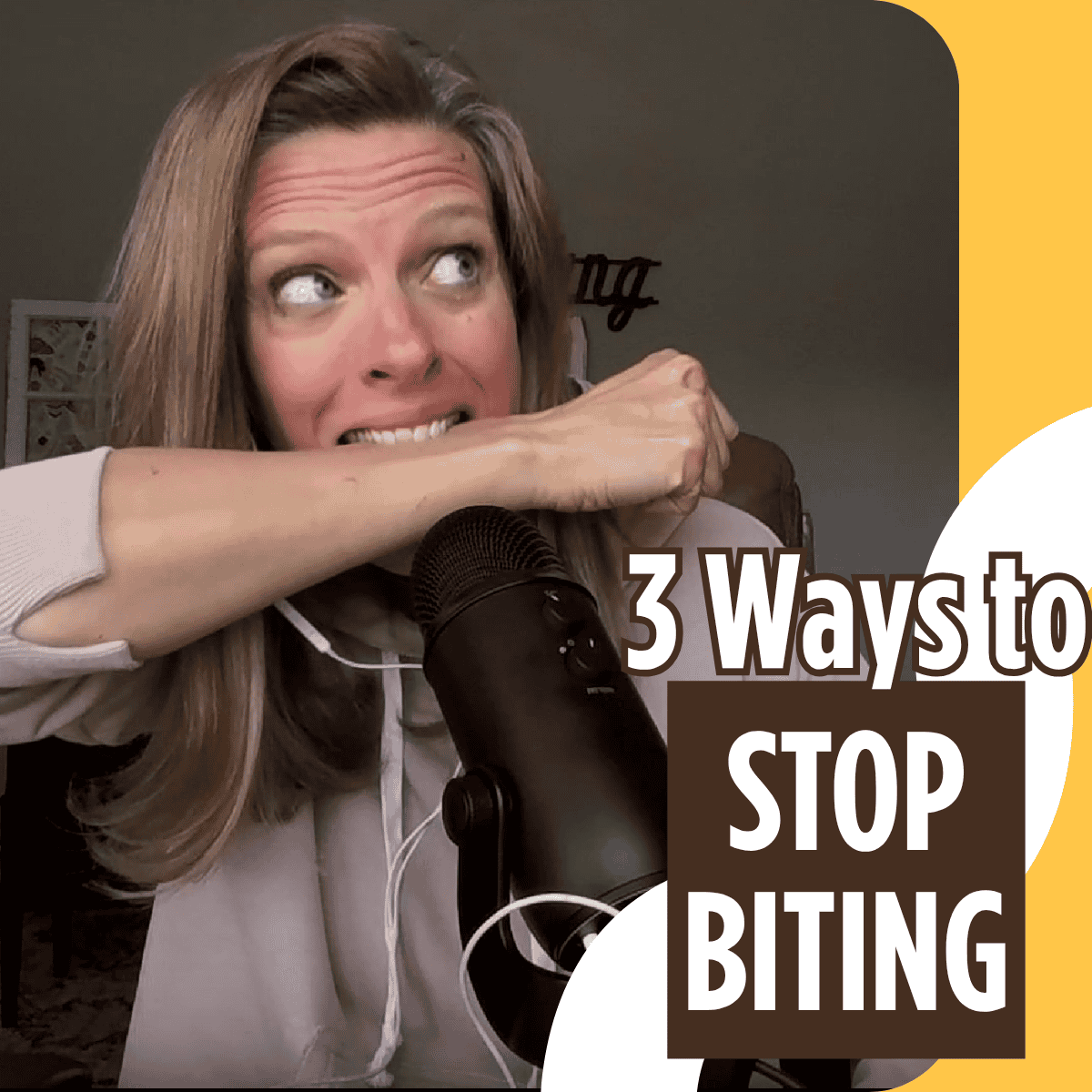
The Surprising Reasons Kids Bite and What To Do About It
Key Takeaways
- •Reaction seeking drives many toddler bites, especially when attention is rewarded
- •Non‑verbal children use biting to communicate unmet needs
- •Oral proprioceptive input calms sensory‑seeking kids
- •Proactive heavy‑work activities reduce dysregulation‑related biting
- •Safe chewable items provide appropriate outlets for mouth stimulation
Pulse Analysis
Biting is a surprisingly common behavior that extends beyond the typical toddler phase, often persisting in children with developmental differences. Research in early childhood development shows that bites are a form of cause‑and‑effect learning; when a bite triggers a strong adult reaction, the child repeats the action to gain control over their environment. For non‑verbal or minimally verbal children, the mouth becomes a primary communication tool, allowing them to express discomfort or desire without words. Recognizing these motivations reframes biting from a purely disciplinary issue to a developmental signal that warrants thoughtful response.
Occupational therapists and sensory integration specialists explain that the jaw houses dense proprioceptive receptors, making biting a powerful self‑regulatory input. When a child’s nervous system is overstimulated, a sudden bite can deliver a “reset” that calms the autonomic response. This insight underpins the recommended interventions: incorporating whole‑body heavy work—such as carrying books or jumping on a trampoline—provides the needed proprioceptive feedback before dysregulation spikes. Complementary oral inputs like crunchy vegetables, chewable toys, or age‑appropriate gum satisfy the mouth’s sensory cravings, reducing the impulse to bite people or objects.
For parents and educators, the practical takeaway is to build a proactive sensory plan rather than reacting after a bite occurs. Scheduling regular movement breaks, offering safe chewables, and teaching alternative communication signals empower children to meet their sensory and expressive needs safely. When biting co‑occurs with broader aggression, consulting a behavior analyst or enrolling in an aggression‑focused program can address underlying emotional triggers. Early, evidence‑based interventions not only curb biting incidents but also support the child’s overall emotional regulation, fostering a healthier developmental trajectory.
The Surprising Reasons Kids Bite and What To Do About It
Comments
Want to join the conversation?