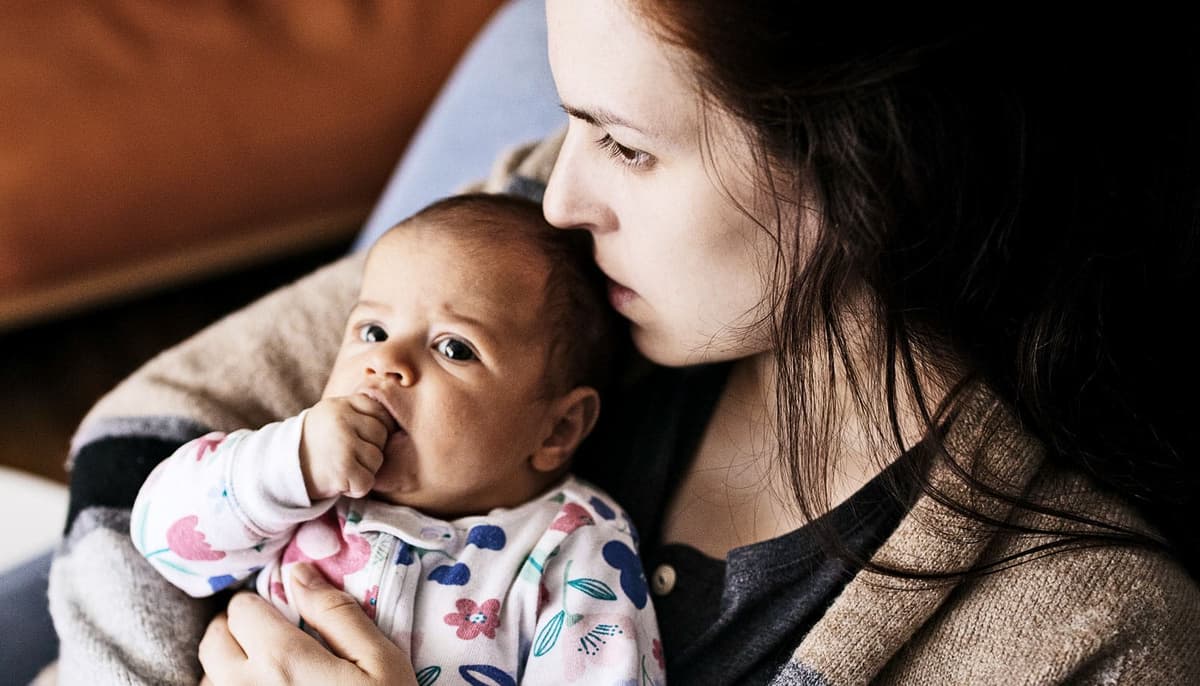
1 in 5 New Moms Struggle with Mental Health
Why It Matters
Untreated perinatal mental illness drives higher health‑care costs, reduced productivity, and intergenerational harm, making systemic intervention a public‑health priority.
Key Takeaways
- •1 in 5 mothers experience perinatal depression or anxiety.
- •Conditions often go undetected and untreated, harming families.
- •Lack of provider access and paid leave worsens mental‑health gaps.
- •Partners also face postpartum depression but receive little support.
- •Early honest dialogue with providers improves outcomes.
Pulse Analysis
The University of Michigan’s recent interview underscores that roughly 20 % of women—one in five—suffer from perinatal mood and anxiety disorders during pregnancy and the first year after birth. These conditions rank among the most common childbirth complications, yet they remain chronically under‑detected. Unaddressed maternal mental illness ripples through infant development, family stability, and even community health, translating into higher health‑care utilization and lost productivity. Recognizing the scale of the problem is the first step toward a coordinated public‑health response.
Stigma and unrealistic cultural expectations keep many mothers silent, while systemic gaps limit access to care. Shortages of obstetric and mental‑health providers create “maternity‑care deserts,” especially in rural regions, and insurance plans often lack comprehensive coverage for therapy or medication during the perinatal window. Moreover, the absence of paid parental leave forces new parents to return to work before they have stabilized emotionally, exacerbating anxiety and depression. These structural barriers affect not only mothers but also fathers, who experience postpartum depression at notable rates yet remain invisible in most screening protocols.
Policymakers, health systems, and employers can close the gap by mandating universal perinatal mental‑health screening, expanding tele‑psychiatry networks, and guaranteeing at least six weeks of paid leave. Employers should train managers to recognize signs of distress and create a culture where asking for help is normalized. Family and community members can intervene early by offering concrete assistance—such as childcare, meals, or simply listening—without waiting for a request. Broadening the conversation to include fathers and non‑binary parents ensures that all caregivers receive the support needed to safeguard the next generation’s well‑being.
1 in 5 new moms struggle with mental health
Comments
Want to join the conversation?
Loading comments...