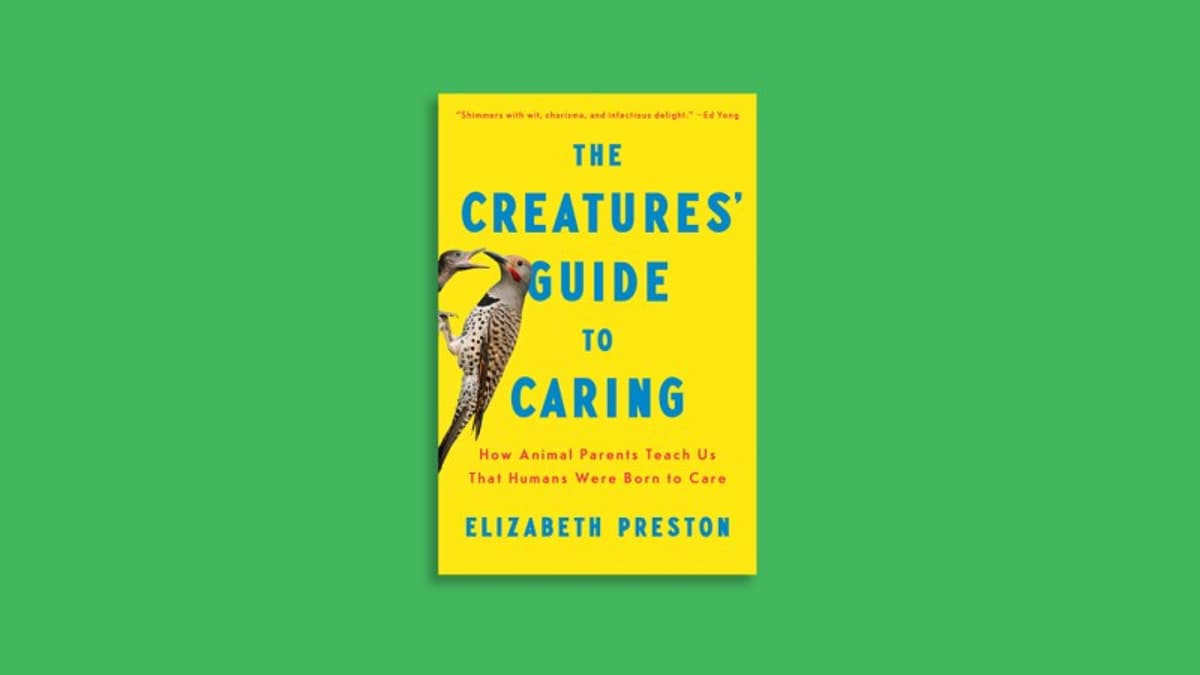
A New Book Finds Parenting Inspiration in the Animal Kingdom
Why It Matters
By linking evolutionary biology to everyday parenting, the book offers fresh perspectives that could reshape advice markets and support networks for families. It underscores that many parenting challenges are biologically rooted, not purely cultural.
Key Takeaways
- •Animal parenting strategies reveal universal caregiving challenges
- •Beetles' rapid growth illustrates extreme parental investment
- •Fish fathers produce oxytocin, linking hormones across species
- •Hyena mothers' aggression parallels human protective instincts
- •Community support essential for animal and human offspring
Pulse Analysis
The launch of *The Creatures’ Guide to Caring* arrives at a time when parents are inundated with digital advice yet still crave grounding principles. Preston, a seasoned science journalist, leverages decades of zoological research to craft a narrative that feels both scholarly and accessible. By framing parenting as an evolutionary continuum, she positions the book as a bridge between academic insight and the practical concerns of new mothers and fathers, tapping into a growing appetite for evidence‑based lifestyle guidance.
Among the most compelling sections are the cross‑species hormone comparisons. The three‑spined stickleback, for example, activates oxytocin‑like pathways when guarding eggs, mirroring the neurochemical bonding seen in human parents. Similarly, beetles that feed larvae with regurgitated tissue demonstrate how nutrient transfer can accelerate growth—a stark contrast to human weaning practices but a vivid illustration of parental investment. These biological parallels invite readers to reconsider the universality of stress, fatigue, and reward that accompany caregiving, suggesting that some emotional responses are hard‑wired rather than culturally imposed.
Beyond the science, Preston’s work sparks a broader conversation about communal responsibility. Many animals rely on extended groups—marmosets, tamarins, and even certain skinks—to ensure offspring survival, echoing anthropological theories that humans evolved as cooperative breeders. This insight challenges the dominant nuclear‑family model and may inspire policy makers, educators, and tech platforms to design more inclusive support structures. For parents, the book offers reassurance: the struggle to nurture is ancient, and the solutions are as diverse as the species that have faced it for millions of years.
A new book finds parenting inspiration in the animal kingdom
Comments
Want to join the conversation?
Loading comments...