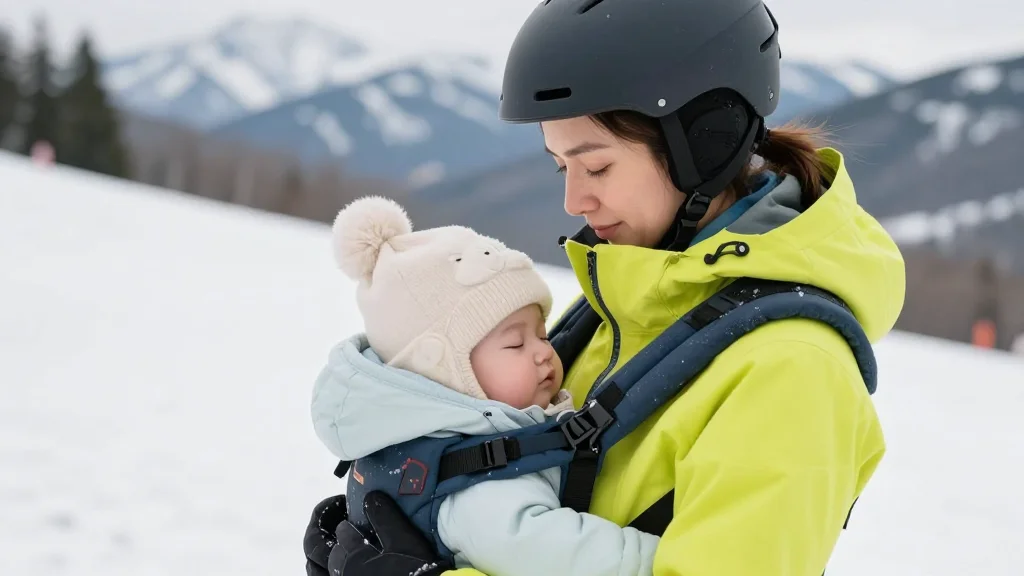
A Skier’s Guide to Having Kids (Without Losing Your Turns)
Why It Matters
The advice highlights how ski resorts and equipment brands can tap a growing family‑oriented market, boosting season‑pass renewals and gear sales. It also shows the lifestyle logistics that influence participation rates among active‑age parents.
Key Takeaways
- •Teach a season as ski instructor builds child‑care network.
- •Choose partner supportive of skiing, not obsessed.
- •Secure ski‑friendly in‑laws for childcare support.
- •Time pregnancy to miss minimal ski season.
- •Adapt skiing routine after kids with family‑friendly options.
Pulse Analysis
The ski industry is increasingly courting families, recognizing that early exposure creates lifelong customers. Millennials and Gen‑Z parents now account for a sizable share of lift ticket sales, and resorts are expanding kid‑focused programming to capture this demographic. By embedding skiing into family routines, parents not only sustain their own participation but also generate future demand for lessons, rentals, and apparel. Understanding the logistical challenges—childcare, equipment hand‑downs, and seasonal timing—helps operators design services that keep families on the mountain year after year.
Practical steps like working a season as a ski instructor provide more than teaching experience; they forge a network of fellow parents, babysitters, and gear lenders. Resorts can formalize these informal networks through community boards, shared‑gear libraries, and on‑site childcare subsidies. Partner selection and family support also matter: ski‑friendly in‑laws or extended families become de‑facto caretakers, reducing the need for costly external services. Brands that market flexible, grow‑with‑you equipment—adjustable skis, convertible boots—address the evolving needs of parents who transition from solo shredders to family guides.
Long‑term, the convergence of parenting and skiing drives product innovation and revenue diversification. Family season passes, bundled lesson packages, and multi‑child discounts encourage repeat visits, while ski schools see higher enrollment when parents view lessons as essential for child development. Equipment manufacturers benefit from repeat purchases as children outgrow gear, and retailers can capitalize on hand‑me‑down markets with trade‑in programs. By aligning marketing narratives with the realities of ski‑parent life, the industry can turn the challenge of “having kids without losing turns” into a sustainable growth engine.
A Skier’s Guide to Having Kids (Without Losing Your Turns)
Comments
Want to join the conversation?
Loading comments...