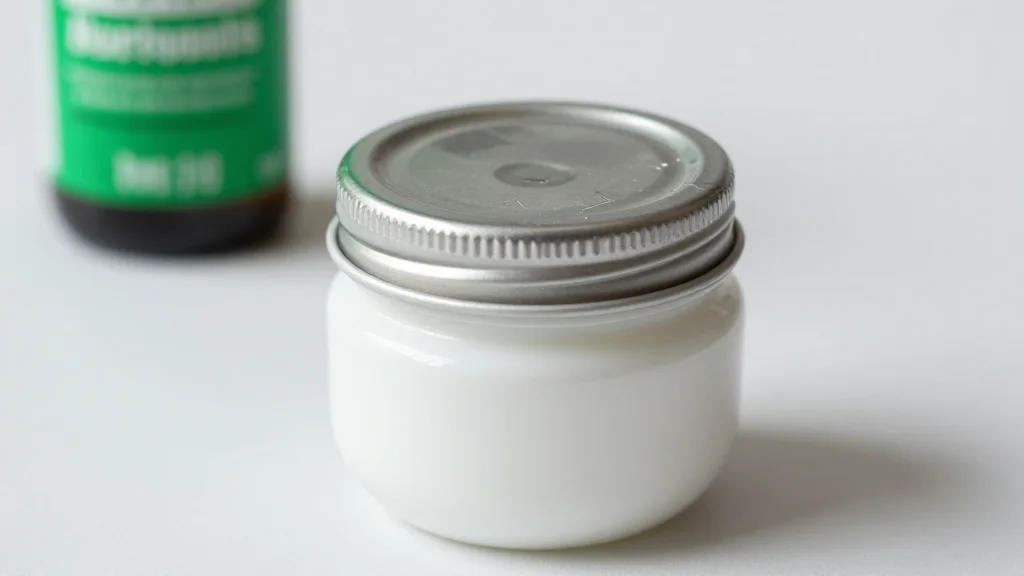
Baby Food Recalled in Austria After Jar Tests Positive for Rat Poison
Companies Mentioned
Why It Matters
The incident exposes a critical vulnerability in food‑safety supply chains, threatening consumer confidence in premium organic brands and likely driving stricter packaging security and regulatory oversight across Europe.
Key Takeaways
- •HiPP recalls all baby food sold in Austrian SPAR stores
- •Contamination traced to criminal tampering, not manufacturing defect
- •Police found similar tainted jars in Czech Republic and Slovakia
- •Consumers warned to check for damaged lids or missing seals
- •Incident may trigger tighter packaging security and oversight
Pulse Analysis
HiPP’s recall reverberates through the European organic baby‑food market, where the Swiss‑based company commands a premium reputation for safety and sustainability. Austria’s swift action—pulling every HiPP jar from SPAR, EUROSPAR, INTERSPAR and Maximarkt shelves—underscores how a single compromised product can jeopardize an entire brand’s credibility. While the recall does not stem from internal quality lapses, the presence of a potent anticoagulant rodenticide raises alarms about the broader risk of deliberate sabotage in high‑trust food categories.
Criminal tampering of consumer goods is not new, but the detection of rat poison in a baby‑food jar highlights gaps in packaging integrity and supply‑chain monitoring. European authorities have responded by issuing detailed visual cues—white stickers with red circles, damaged lids, missing safety seals—to help shoppers spot potentially compromised jars. Similar findings in the Czech Republic and Slovakia suggest a coordinated effort or a single source of contamination crossing borders, prompting cross‑national cooperation among law‑enforcement and health agencies. The incident may accelerate adoption of tamper‑evident technologies, such as holographic seals or blockchain‑based traceability, to deter malicious interference.
For manufacturers, the fallout could translate into heightened regulatory scrutiny and a push for more rigorous third‑party audits. Brands may need to invest in advanced security packaging and real‑time monitoring to reassure parents wary of contamination risks. Meanwhile, retailers are likely to tighten inbound inspection protocols and enhance consumer communication strategies. Ultimately, the HiPP case serves as a cautionary tale: even the most trusted names must anticipate and mitigate intentional threats to maintain market confidence and protect vulnerable consumers.
Baby food recalled in Austria after jar tests positive for rat poison
Comments
Want to join the conversation?
Loading comments...