Beyond Motherhood: The Unseen Fertility Struggles of Working Women
Why It Matters
Fertility struggles directly affect employee wellbeing, productivity, and retention, making early workplace support a strategic imperative for talent‑rich organisations.
Key Takeaways
- •Singapore's TFR fell to 0.87 in 2025, record low
- •Leaders face IVF cycles while managing teams, often without policy support
- •Companies are piloting “pre‑maternity” leave for fertility treatments
- •Stigma keeps employees silent, hindering workload planning and retention
- •Flexible scheduling and counseling improve productivity for staff undergoing IVF
Pulse Analysis
Singapore’s birth‑rate plunge to a 0.87 total fertility rate in 2025 is more than a demographic footnote; it signals a looming talent shortage for a nation that relies on a skilled, diverse workforce. While the government has introduced ten weeks of shared parental leave, the measures activate only after a child is born, overlooking a critical window where women are actively trying to conceive. This gap forces many to juggle demanding IVF cycles with high‑pressure roles, often without any formal acknowledgment from their employers.
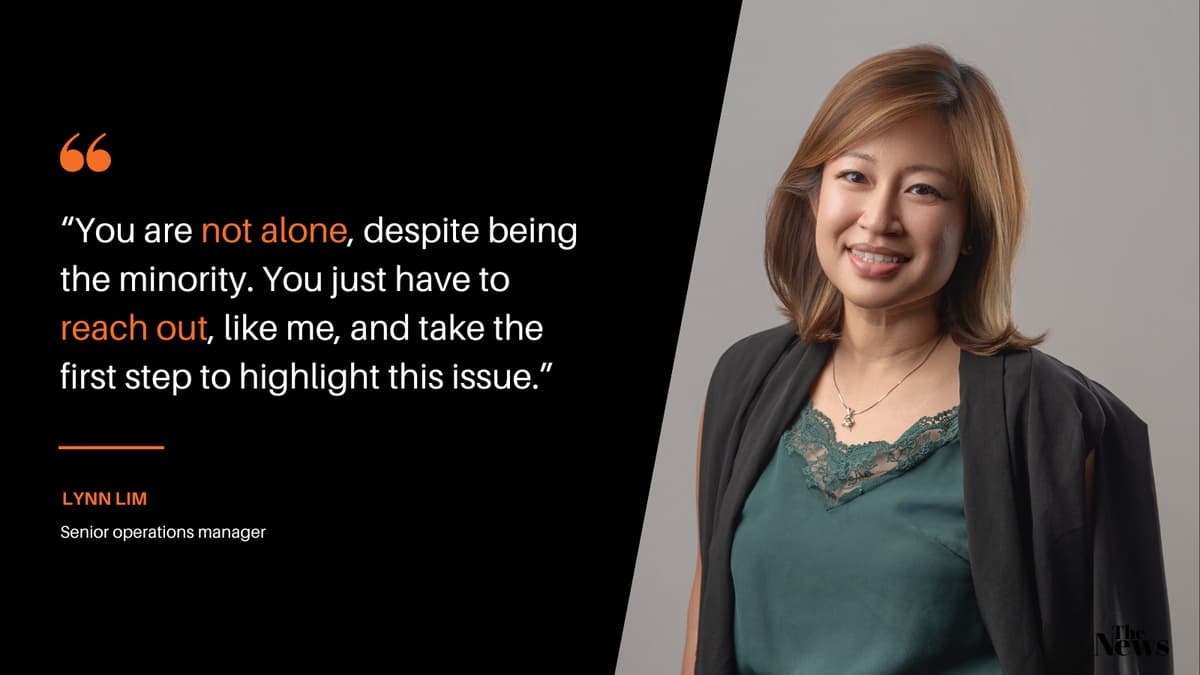
For senior women leaders like Lynn Lim, the hidden cost of fertility treatment manifests in fragmented schedules, medical leave exhaustion, and emotional strain that can spill over into team dynamics. Without clear policies, employees resort to using generic sick or annual leave, creating unpredictable staffing gaps and eroding morale. The business impact is tangible: reduced engagement, higher turnover risk, and the loss of high‑potential talent who may seek more supportive environments. Companies that fail to address pre‑birth fertility needs risk falling behind in the competitive war for talent, especially as global peers begin to embed comprehensive family‑wellness programs.
Emerging best practices point toward a "pre‑maternity" framework that includes dedicated time‑off for fertility treatments, flexible scheduling, and access to counseling services. Pilot programs in multinational firms show that such measures not only improve employee satisfaction but also boost productivity by reducing unscheduled absences. Cultivating a culture of openness—where managers are trained to discuss fertility without stigma—further strengthens trust and retention. As diversity, equity and inclusion agendas evolve, integrating fertility support into employee assistance programmes will become a benchmark for truly inclusive workplaces.
Beyond motherhood: The unseen fertility struggles of working women
Comments
Want to join the conversation?
Loading comments...