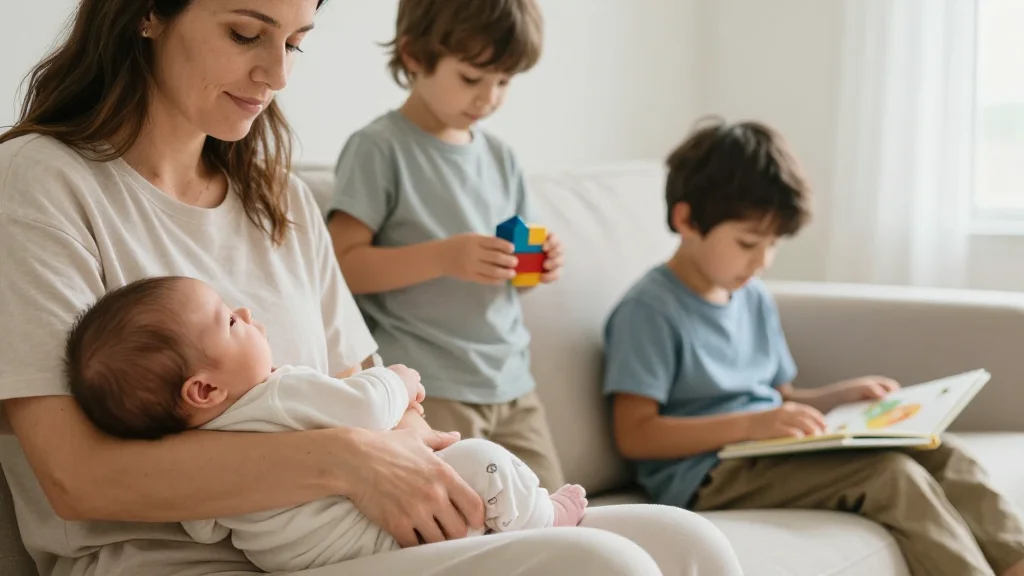
Birth Order Shapes Parenting Styles, Experts Say

Why It Matters
Understanding how birth order influences parenting offers mothers and fathers a nuanced lens for self‑assessment, potentially improving parent‑child dynamics and child outcomes. By aligning parenting practices with innate tendencies, families can reduce conflict, enhance emotional support, and foster environments where children thrive. The framework also informs clinicians and parenting programs, allowing them to tailor interventions that respect a parent's background while promoting healthy development. Moreover, as demographic shifts lead to smaller family sizes and varied sibling configurations, the relevance of birth‑order insights may expand beyond traditional families, helping single parents, step‑families, and blended households navigate their unique challenges.
Key Takeaways
- •Firstborn parents tend to be structured, reliable, and perfectionistic.
- •Middle‑born parents often exhibit high empathy and adaptability.
- •Youngest parents may bring optimism but need to balance with consistency.
- •Therapists recommend self‑reflection to adjust high expectations and foster flexibility.
- •Future research will explore birth order effects across cultures and family structures.
Pulse Analysis
The renewed focus on birth order as a factor in parenting reflects a broader trend toward personalized parenting guidance. Historically, psychologists like Alfred Adler posited that sibling position shapes personality, but empirical support has been mixed. The current wave of expert commentary bridges anecdotal observations with practical advice, signaling a shift from academic debate to actionable coaching.
From a market perspective, parenting platforms and mental‑health apps are likely to integrate birth‑order assessments into their user experiences, offering customized content streams. This could create a niche segment where therapists partner with tech firms to deliver targeted modules, similar to how sleep‑tracking apps have personalized recommendations based on user data. However, the risk lies in over‑simplifying complex family dynamics; as Garcia‑Balis warns, rigid labeling can be counterproductive. Providers must balance the appeal of easy‑to‑digest frameworks with the nuance required for effective counseling.
Looking ahead, longitudinal studies that track parenting outcomes across birth‑order groups will be crucial. If robust correlations emerge, we may see policy implications, such as parenting workshops that incorporate birth‑order awareness into early‑intervention programs. For now, the conversation equips parents with a reflective toolset, encouraging them to harness innate strengths while consciously mitigating potential blind spots.
Birth Order Shapes Parenting Styles, Experts Say
Comments
Want to join the conversation?
Loading comments...