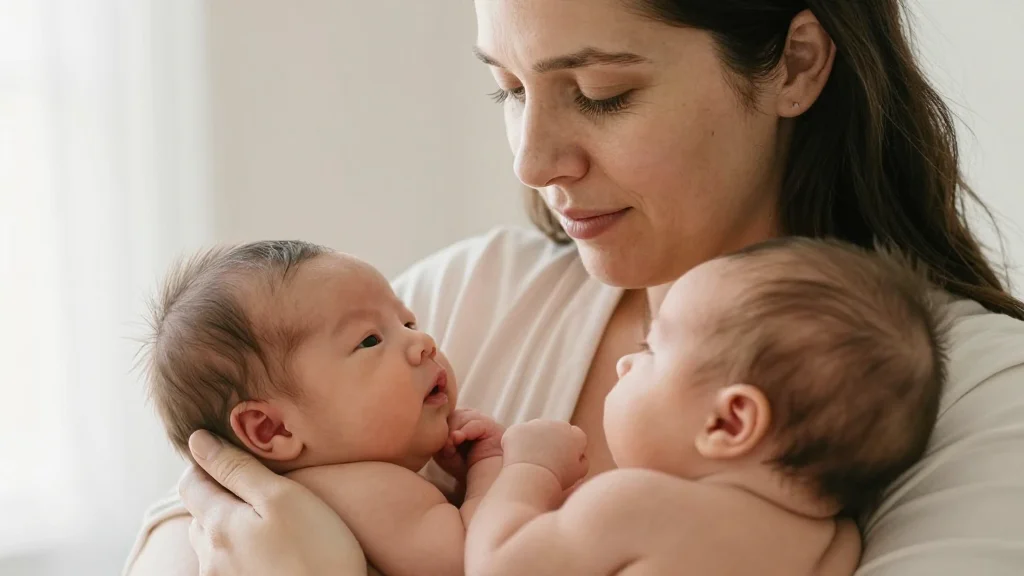
California Mom's TikTok Reveal Shows Unexpected Postpartum Body at 10 Months

Companies Mentioned
Why It Matters
The story spotlights a systemic gap in how postpartum recovery is portrayed and supported. When high‑visibility platforms amplify unfiltered experiences, they can catalyze policy discussions around parental leave, childcare subsidies, and mental‑health services. For mothers of closely spaced children, the physical toll is compounded by limited recovery time, making the need for community and institutional backing even more urgent. Beyond individual well‑being, the narrative influences broader cultural expectations. By normalizing the messier, less‑photogenic side of motherhood, it challenges advertisers, influencers, and health professionals to present a more inclusive picture of post‑birth bodies. This shift could reduce stigma, improve help‑seeking behavior, and ultimately lead to healthier outcomes for mothers and their families.
Key Takeaways
- •Lindsey Campbell posted a TikTok showing her 10‑month postpartum body alongside twins Luke and Tommy.
- •Campbell is a mother of four children under five, with twins born less than a year apart.
- •She described the emotional strain of solo parenting while her husband works 72‑hour firefighter shifts.
- •Experts cite an "evolutionary mismatch" as a factor that makes closely spaced births more taxing.
- •The viral video sparked discussion on realistic postpartum body image and the need for stronger support networks.
Pulse Analysis
Campbell’s TikTok is emblematic of a broader digital shift: mothers are reclaiming narrative control by posting unvarnished snapshots of their bodies and daily routines. Historically, media outlets curated postpartum stories to fit a narrow, often idealized script—smooth skin, rapid weight loss, and effortless multitasking. The democratization of content creation means that authentic, sometimes uncomfortable, realities now compete for attention, forcing brands and health systems to reckon with a more diverse audience.
From a market perspective, this trend opens opportunities for companies that can authentically address postpartum needs. Fitness apps, nutrition brands, and apparel lines that prioritize comfort, inclusivity, and mental‑health resources stand to gain credibility. Simultaneously, insurers and employers may feel pressure to expand coverage for postpartum counseling and flexible scheduling, especially as data links maternal stress to long‑term health costs. The conversation also nudges social platforms toward responsibility: algorithmic promotion of wellness content could be calibrated to surface supportive resources alongside trend‑driven videos.
Looking ahead, the key question is whether this wave of candid storytelling translates into structural change. If policymakers, healthcare providers, and corporations respond with concrete measures—expanded parental leave, subsidized childcare, and routine postpartum mental‑health screening—the ripple effect could redefine the postpartum experience from a solitary struggle to a collectively supported phase of life. Campbell’s story, while personal, may thus serve as a catalyst for a more empathetic, resource‑rich ecosystem for all mothers.
California Mom's TikTok Reveal Shows Unexpected Postpartum Body at 10 Months
Comments
Want to join the conversation?
Loading comments...