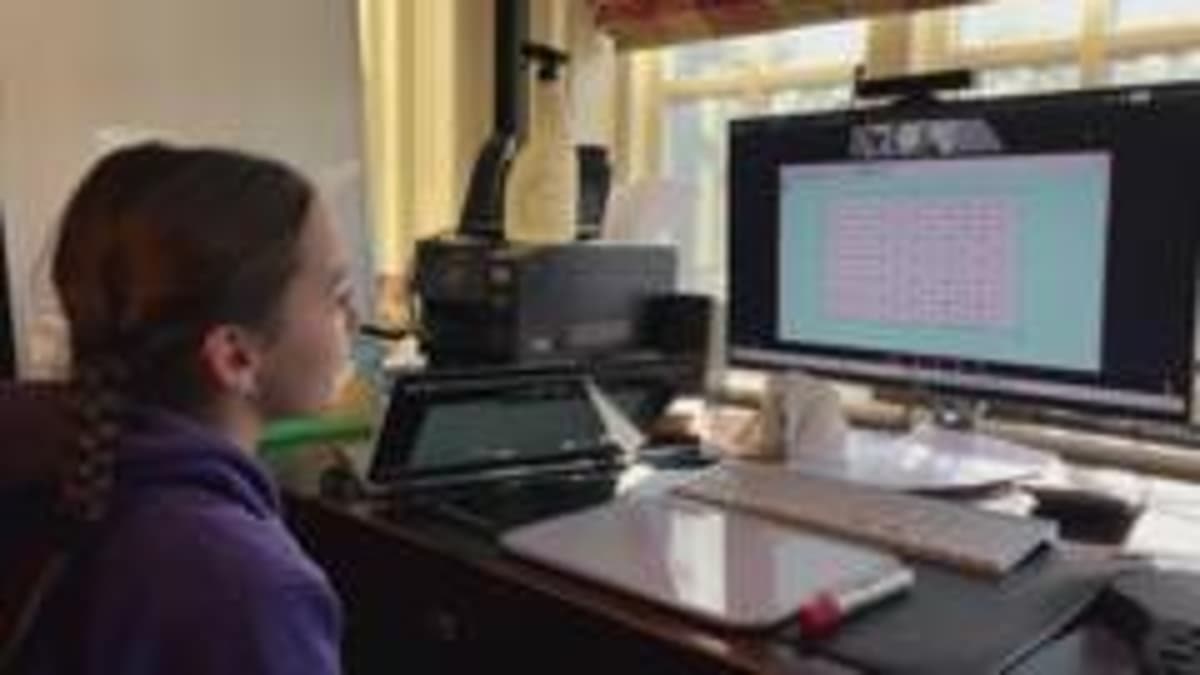
'Children with Maths Dyslexia Are Set up to Fail'
Why It Matters
The lack of formal recognition and support for dyscalculia undermines educational equity and can limit lifelong earnings for a sizable portion of the population. Addressing the gap is essential for inclusive policy and fair assessment practices.
Key Takeaways
- •Dyscalculia affects ~5% of population, often undiagnosed
- •Parents pay ~£1,200 ($1,500) for private assessments
- •DfE pledges £4 bn ($5 bn) SEND reforms, no definition
- •Campaigners demand calculator use in SATs and GCSEs
- •State pupils lack assistive tech compared to private school peers
Pulse Analysis
Dyscalculia, sometimes described as "maths dyslexia," impacts roughly one in 20 individuals, yet it remains largely invisible in UK education policy. Families are shouldering the financial burden of private assessments—often around £1,200 (about $1,500)—to secure a diagnosis and tailored tutoring. The condition’s hidden nature means many children, like 11‑year‑old Ava, navigate classrooms without the tools they need, eroding confidence and academic performance long before they sit high‑stakes exams.
The Department for Education has announced a historic £4 bn (≈$5 bn) investment to overhaul the SEND system, promising broader teacher training and specialist access. However, critics note the absence of a formal definition for dyscalculia and limited guidance on classroom accommodations. Without clear policy, schools typically offer only extra time, leaving a gap between state‑funded pupils and those in private settings who already benefit from calculator‑enabled IGCSEs. This disparity fuels what advocates call a "hidden maths inequality," highlighting the need for targeted professional development and statutory recognition.
Equitable assessment is at the heart of the debate. Campaigners are urging regulators to permit calculators and personal workbooks—tools that function as a "maths bible" for dyscalculic learners—during SATs and GCSEs. Such adjustments would align with the Equality Act 2010 and could mitigate long‑term socioeconomic impacts. As the DfE rolls out its £200 m (≈$250 m) training programme and £1.8 bn (≈$2.25 bn) specialist expansion, embedding dyscalculia awareness into curricula and exam policies will be crucial for ensuring every student can achieve and thrive.
'Children with maths dyslexia are set up to fail'
Comments
Want to join the conversation?
Loading comments...