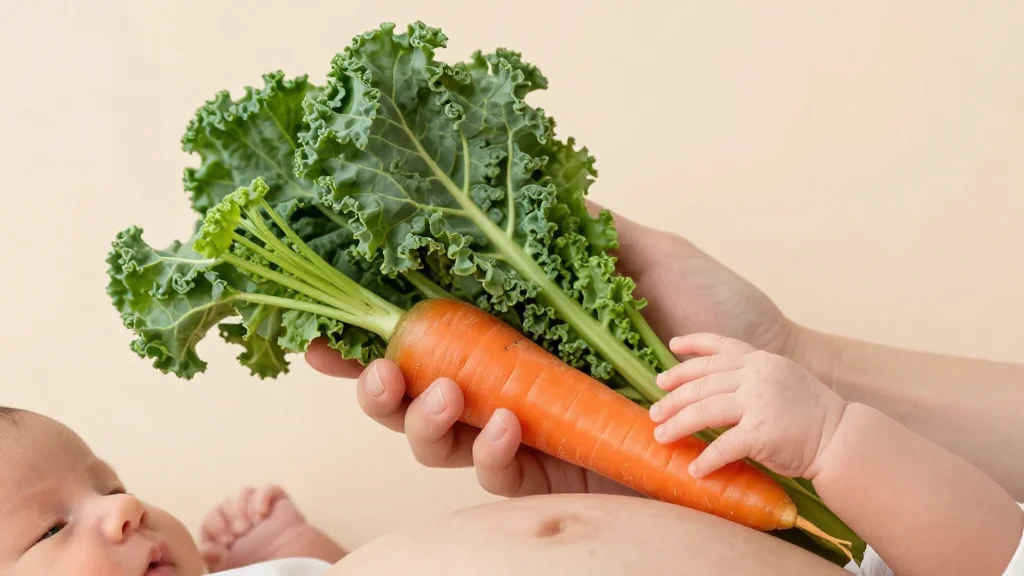
Durham Study Finds Prenatal Kale and Carrot Exposure Shapes Infant Flavor Preferences

Why It Matters
Understanding how prenatal nutrition influences later food preferences could transform strategies for combating childhood obesity and diet‑related diseases. If early flavor exposure reliably encourages healthier eating patterns, policymakers might integrate specific dietary guidelines into prenatal care programs, offering a low‑cost, preventative approach to lifelong nutrition. However, the study also highlights the challenges of translating early‑stage scientific findings into public health policy. Overstating results from a small sample could lead to misinformation, unnecessary anxiety for pregnant women, and diversion of resources from proven nutritional interventions. Careful validation is essential before any formal recommendations are issued.
Key Takeaways
- •Durham University researchers gave pregnant women kale or carrot powder capsules.
- •Infants exposed to carrot flavors preferred carrot scent; kale‑exposed infants preferred kale.
- •Study involved only twelve mother‑infant pairs, limiting statistical confidence.
- •Findings suggest fetal flavor memory may influence later food preferences.
- •Larger, multi‑site trials are planned to confirm results and explore health impacts.
Pulse Analysis
The Durham study taps into a growing interest in the developmental origins of health and disease, extending the concept of early nutritional programming to sensory preferences. Historically, research has shown that maternal diet can affect fetal growth metrics and metabolic pathways; this work adds a behavioral dimension, implying that taste preferences may be seeded before birth. If subsequent trials confirm these mechanisms, the market for prenatal nutrition supplements could expand beyond traditional vitamins to include flavor‑targeted products, creating a niche for biotech firms.
From a competitive standpoint, the findings could spur interest among food manufacturers and supplement companies to develop pregnancy‑safe flavor capsules, positioning themselves as early influencers of lifelong consumer habits. Yet the modest sample size and the study’s reliance on self‑reported sensory tests underscore the risk of premature commercialization. Investors and policymakers should monitor upcoming larger trials before allocating capital or drafting guidelines.
Looking ahead, the key question is scalability: can a controlled exposure to specific flavors during pregnancy reliably shift population‑wide eating patterns? The answer will hinge on replication across diverse demographics, the durability of the flavor memory, and the interplay with post‑natal feeding environments. Until then, the prudent path for clinicians is to continue emphasizing balanced nutrition, while researchers pursue the next wave of evidence that could turn prenatal diet into a strategic lever for public health.
Durham Study Finds Prenatal Kale and Carrot Exposure Shapes Infant Flavor Preferences
Comments
Want to join the conversation?
Loading comments...