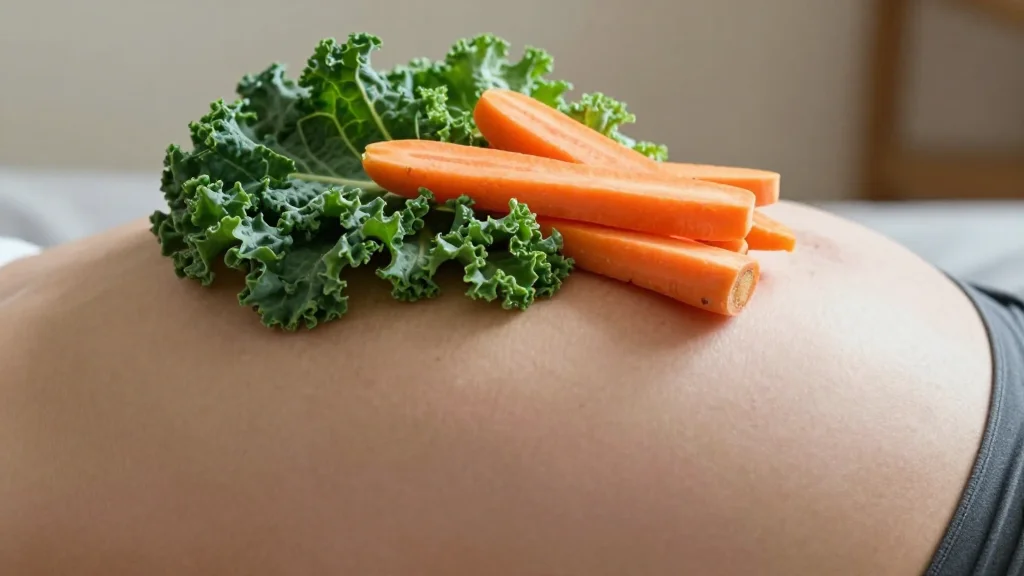
Durham Study Shows Prenatal Veggie Capsules Boost Toddlers' Vegetable Acceptance

Why It Matters
Understanding that flavour memories can form before birth opens a new frontier in early childhood nutrition. If prenatal exposure reliably influences later food choices, it could reduce the prevalence of selective eating and associated health risks such as obesity and micronutrient deficiencies. The findings also challenge the conventional view that taste preferences are shaped only after birth, prompting a reevaluation of maternal diet guidelines. Beyond individual families, the research could inform public health campaigns aimed at improving population‑wide vegetable intake. By integrating prenatal nutrition into broader strategies, policymakers may achieve more sustainable dietary shifts, ultimately lowering healthcare costs linked to diet‑related illnesses.
Key Takeaways
- •Durham University study links late‑pregnancy kale or carrot capsules to increased toddler acceptance of those vegetables.
- •Ultrasound recordings showed fetal facial responses to the flavours, followed by smell tests at 3 weeks and 3 years.
- •Sample size was twelve children, mirroring earlier infant‑stage findings.
- •Researchers suggest prenatal flavour exposure could become a component of early nutrition guidance.
- •Future trials will broaden the cohort and test additional food flavours.
Pulse Analysis
The Durham study arrives at a moment when parents are increasingly seeking evidence‑based solutions to picky eating, a problem that costs families time and money. Historically, interventions have focused on post‑natal exposure—repeated tasting, reward systems, or parental modeling. By shifting the window of influence back to the womb, this research could catalyze a new category of prenatal nutrition products, from fortified supplements to diet‑planning apps for expectant mothers.
From a market perspective, the potential commercial impact is notable. Companies that already produce prenatal vitamins may expand their portfolios to include vegetable‑flavour capsules, positioning them as a preventive tool against future food aversions. However, the modest sample size underscores the need for caution; premature commercialization could backfire if larger studies fail to replicate the effect. Investors and startups should watch for follow‑up trials before committing significant capital.
Looking ahead, the key question is scalability. If larger, more diverse studies confirm the findings, public health agencies could incorporate prenatal diet recommendations into existing maternal nutrition programs. This would represent a low‑cost, high‑impact strategy to improve lifelong dietary habits. Until then, the study serves as a compelling proof of concept that may reshape how we think about the origins of taste.
Durham Study Shows Prenatal Veggie Capsules Boost Toddlers' Vegetable Acceptance
Comments
Want to join the conversation?
Loading comments...