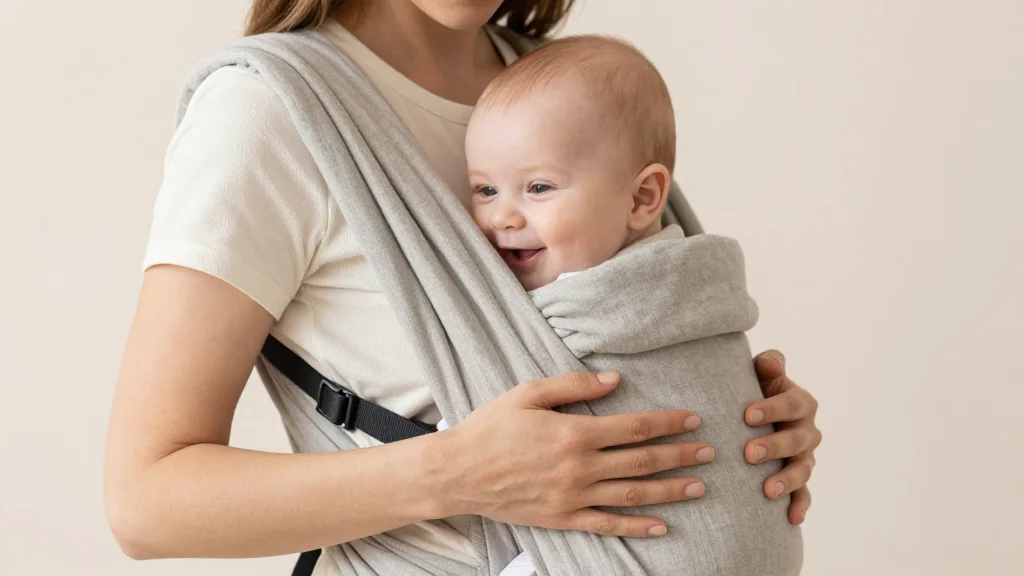
Durham University Study Calls for Stricter Baby Sling Guidance After Safety Concerns

Why It Matters
The study spotlights a critical gap in infant safety that affects millions of families who rely on baby slings for mobility and bonding. By exposing how limited guidance contributes to dangerous positioning, the research underscores the need for systemic change that could prevent future tragedies. Clear, enforceable standards would not only protect infants but also provide manufacturers and retailers with a consistent framework, reducing liability and fostering consumer trust. Beyond immediate safety, the push for stricter guidance could reshape the baby‑wearing market, encouraging innovation in design and prompting the development of smarter, ergonomically‑tested carriers. It also offers a template for other jurisdictions grappling with similar infant‑safety challenges, potentially influencing global best practices.
Key Takeaways
- •Durham University surveyed 1,470 parents of infants under one year.
- •89% of parents purchased slings online; less than 3% received virtual assistance.
- •Only 30% of in‑store purchases included safety advice from staff.
- •A coroner’s warning followed the 2024 death of six‑week‑old James Alderman.
- •Researchers call for a UK‑wide safety campaign and mandatory guidance.
Pulse Analysis
The Durham study arrives at a moment when baby‑wearing has surged in popularity, driven by social‑media influencers and a growing market of ergonomic carriers. Historically, safety guidance has been fragmented, relying on voluntary checklists like TICKS that lack comprehensive coverage. The new data provides a quantitative backbone for regulators to justify mandatory standards, similar to those applied to child car seats and cribs.
From a market perspective, manufacturers that proactively adopt robust safety labeling could differentiate themselves, gaining a competitive edge as parents become more safety‑conscious. Retailers, especially online platforms, may need to integrate interactive safety modules or partner with certified baby‑wearing consultants to meet emerging expectations. Failure to adapt could expose them to reputational risk and potential litigation.
Looking ahead, the success of any national guidance will hinge on its accessibility and enforcement. Embedding safety prompts at the point of sale—both digital and physical—offers the most direct route to behavior change. Moreover, leveraging existing sling libraries as community hubs for education could amplify impact without requiring massive new infrastructure. If the UK establishes a clear, enforceable framework, it could set a precedent that other countries adopt, ultimately raising the global standard for infant safety in baby carriers.
Durham University Study Calls for Stricter Baby Sling Guidance After Safety Concerns
Comments
Want to join the conversation?
Loading comments...