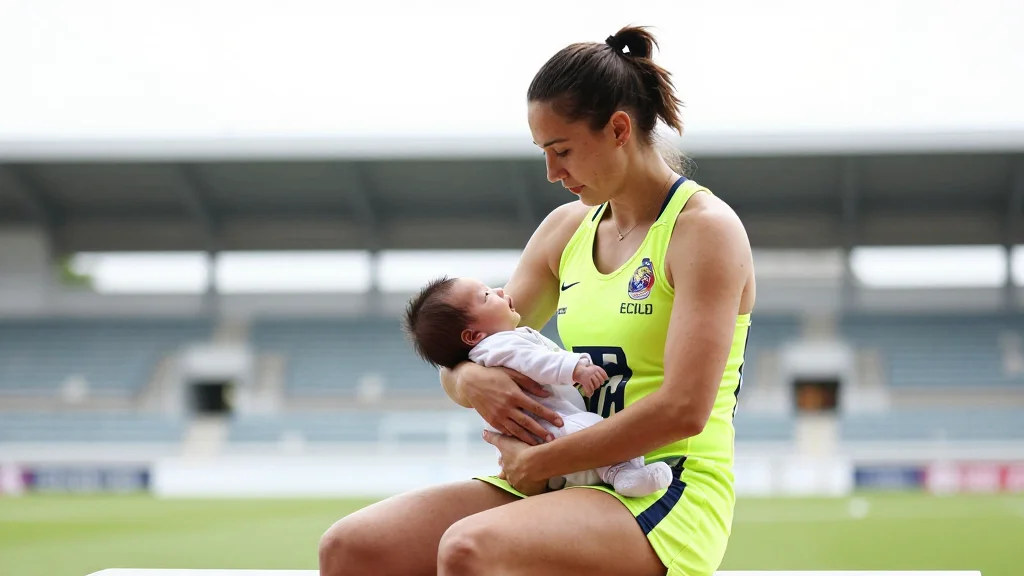
Emily Mannix and Maddy Proud Lead Super Netball’s Post‑Birth Return Surge

Why It Matters
The return of Mannix and Proud underscores a pivotal shift in professional sport: recognizing athletes as whole persons with family lives, not just performance units. By institutionalizing maternity support, Super Netball is reducing career interruptions that historically forced women to choose between motherhood and elite competition. This change could improve talent retention, broaden the sport’s appeal to female athletes, and inspire policy reforms across other leagues. Moreover, the visibility of mother‑athletes competing at the highest level challenges societal narratives around post‑partum capability, potentially influencing public attitudes toward working mothers and encouraging broader workplace reforms beyond sport.
Key Takeaways
- •Emily Mannix returned to the Melbourne Vixens 16 months after giving birth to daughter Mabel.
- •NSW Swifts’ Maddy Proud re‑joined the squad within months of delivering son Lily.
- •Super Netball’s 2026 season features at least six players back from maternity leave, a league‑wide ‘baby boom.’
- •The league introduced flexible training, on‑site childcare and extended parental‑leave contracts for athletes.
- •Mannix’s comeback was aided by physiotherapy, scar‑massage therapy and strong family and teammate support.
Pulse Analysis
Super Netball’s embrace of motherhood reflects a broader evolution in professional sports toward holistic athlete welfare. Historically, female athletes faced opaque maternity policies, often resulting in lost contracts or forced retirement. By codifying parental leave and providing on‑site childcare, the league not only safeguards player health but also creates a competitive advantage: teams retain seasoned talent rather than rebuilding with less experienced rosters. This continuity can translate into higher-quality play, stronger fan engagement, and more stable sponsorship deals.
From a market perspective, the narrative of mother‑athletes returning to peak performance offers compelling storytelling for brands targeting families and women’s health. Sponsors can leverage these stories for campaigns that resonate with a demographic that values work‑life balance. Additionally, the league’s policy innovations may pressure rival sports—such as the AFL Women’s and NRL Women’s—to adopt similar measures, potentially sparking an industry‑wide shift.
Looking ahead, the true test will be performance outcomes. If Mannix, Proud and their peers can contribute significantly in the finals, it will validate the league’s investment in maternity support and likely accelerate policy adoption elsewhere. Conversely, if injuries or performance dips emerge, critics may argue that the support structures need refinement. Either way, Super Netball’s current trajectory positions it as a case study in aligning athlete welfare with commercial success.
Emily Mannix and Maddy Proud Lead Super Netball’s Post‑Birth Return Surge
Comments
Want to join the conversation?
Loading comments...