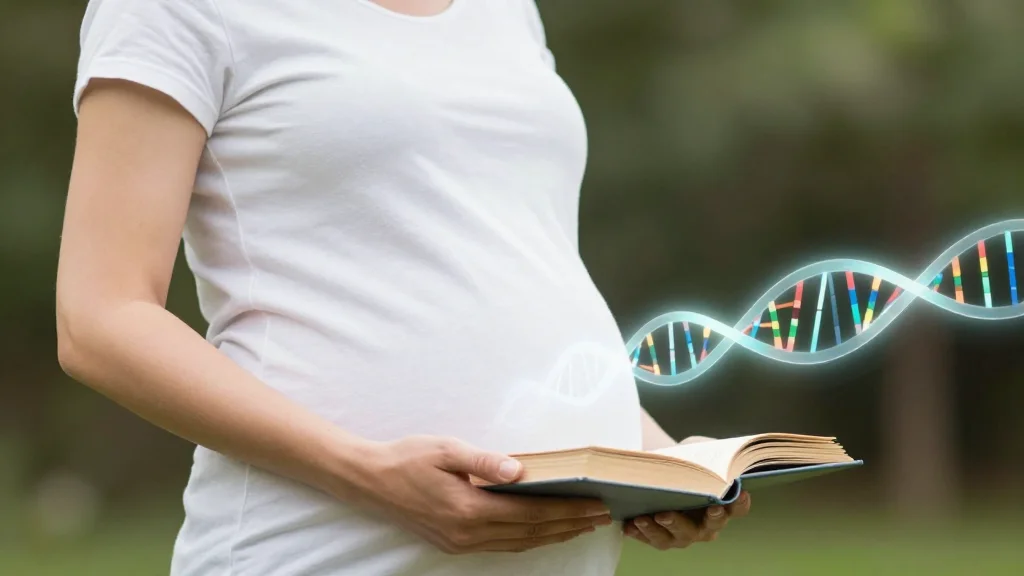
Experts Challenge Glucose Goddess's Pregnancy Diet Claims in New Book

Why It Matters
The clash between a high‑profile social media influencer and the medical establishment highlights a growing tension in prenatal care: the balance between accessible, popular health content and rigorously vetted clinical guidance. When unverified dietary prescriptions gain traction, they can reshape pregnant women’s perceptions of risk, potentially leading to unnecessary dietary restrictions, anxiety, or even nutritional imbalances. Moreover, the episode underscores the need for clearer regulatory frameworks around health claims in books and online platforms, ensuring that expectant mothers receive advice grounded in solid science. Beyond individual health, the debate may influence public policy on nutrition labeling, influencer accountability, and the role of professional societies in digital education. As more health influencers enter the pregnancy space, the medical community’s response will set precedents for how evidence‑based practice is defended in an era of viral content.
Key Takeaways
- •Jessie Inchauspé's new book claims maternal diet can epigenetically program a child's lifelong health.
- •French researchers argue the claims exceed current scientific evidence and risk misinforming pregnant women.
- •Specific recommendations, such as four eggs per day, lack clinical validation according to leading obstetricians.
- •The dispute raises questions about regulation of health advice from social media influencers.
- •Upcoming studies and possible regulatory reviews could reshape prenatal nutrition guidance.
Pulse Analysis
The Inchauspé controversy is emblematic of a broader shift in how health information is disseminated and consumed. Historically, prenatal nutrition guidance has been the domain of obstetricians, dietitians, and public health agencies, with recommendations evolving slowly based on longitudinal research. The rapid rise of influencer‑driven narratives compresses that timeline, delivering bold claims directly to consumers without the intermediary of peer review. This accelerates both adoption and backlash, as seen in the swift mobilization of French medical experts.
From a market perspective, the episode could spur a new segment of evidence‑based prenatal wellness products that explicitly distance themselves from influencer hype. Companies may invest in clinical trials to substantiate nutrient‑specific claims, positioning themselves as scientifically credible alternatives. Conversely, influencers may double down on anecdotal storytelling, leveraging the controversy as publicity. The net effect is likely a bifurcated market: one side anchored in rigorous research, the other in personal branding.
Looking ahead, regulatory bodies in Europe and North America may tighten oversight of health‑related publications, especially those that make deterministic claims about epigenetics. This could lead to mandatory disclosures, third‑party review, or even penalties for misinformation. For clinicians, the challenge will be to engage directly on digital platforms, offering accessible, evidence‑based content that can compete with the immediacy of influencer messaging. The outcome of this tug‑of‑war will shape not only the next generation of prenatal care guidelines but also the broader relationship between science and social media in the health domain.
Experts Challenge Glucose Goddess's Pregnancy Diet Claims in New Book
Comments
Want to join the conversation?
Loading comments...