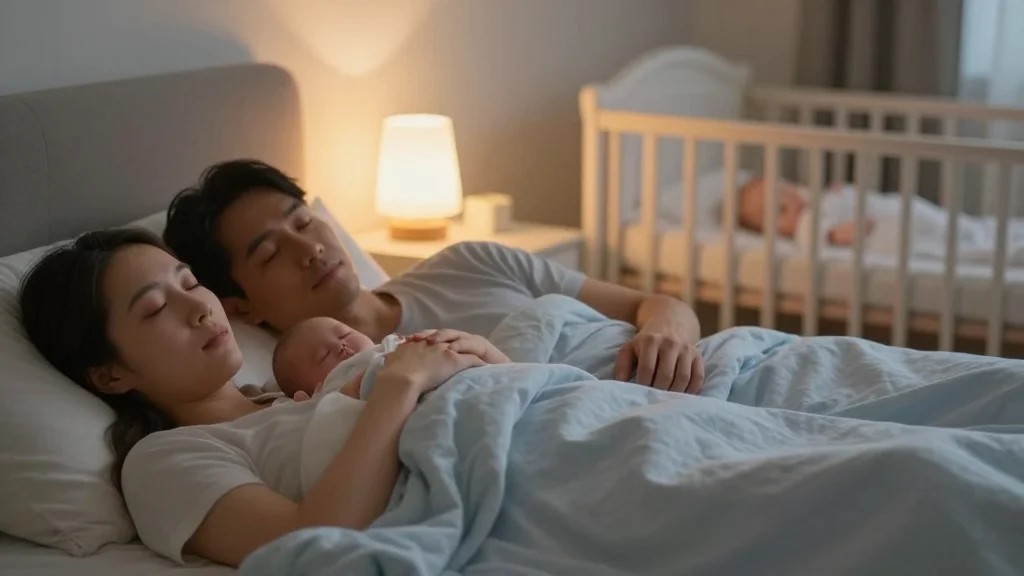
Feeling Like You Slept Poorly Might Take a Heavier Toll on New Parents than Actual Sleep Loss
Why It Matters
Understanding that perceived sleep quality, not just sleep quantity, drives parental distress reshapes interventions toward mental‑health support, potentially improving family wellbeing and reducing postpartum anxiety and depression.
Key Takeaways
- •Perceived poor sleep links to higher depression/anxiety in new parents
- •Objective actigraphy sleep data showed no mental‑health correlation
- •At 8 months, worsening mood predicts poorer perceived sleep at 12 months
- •Fathers exhibit a bidirectional sleep‑mental health cycle across first year
- •Study limited to middle‑income Israeli couples; may not generalize
Pulse Analysis
The new research adds nuance to the well‑documented link between sleep deprivation and postpartum mood disorders. While prior studies emphasized the physiological toll of fragmented nighttime care, this work highlights that a parent's subjective assessment of sleep quality can be a more potent indicator of depression and anxiety. By employing both actigraphy and self‑report tools, the investigators demonstrated that objective sleep metrics often miss the distress signal, underscoring the need for clinicians to probe perceived sleep satisfaction during routine check‑ups.
From a practical standpoint, the study’s temporal findings suggest that mental‑health screening should intensify around the eight‑month mark, when mood disturbances begin to forecast deteriorating sleep perceptions. For fathers, the data reveal a feedback loop: early sleep challenges exacerbate anxiety, which then spirals into further sleep complaints. This bidirectional dynamic calls for inclusive parental support programs that address both partners, rather than focusing solely on mothers during the immediate postpartum period.
However, the sample’s homogeneity—predominantly middle‑ to upper‑income Israeli families—limits broader applicability. Future research must explore diverse socioeconomic contexts and families facing more severe psychiatric conditions to validate these patterns. Nonetheless, the study prompts a shift in how pediatric and primary‑care providers approach parental well‑being: integrating mental‑health interventions may alleviate the perceived sleep crisis that many new parents experience, ultimately fostering healthier family environments.
Feeling like you slept poorly might take a heavier toll on new parents than actual sleep loss
Comments
Want to join the conversation?
Loading comments...