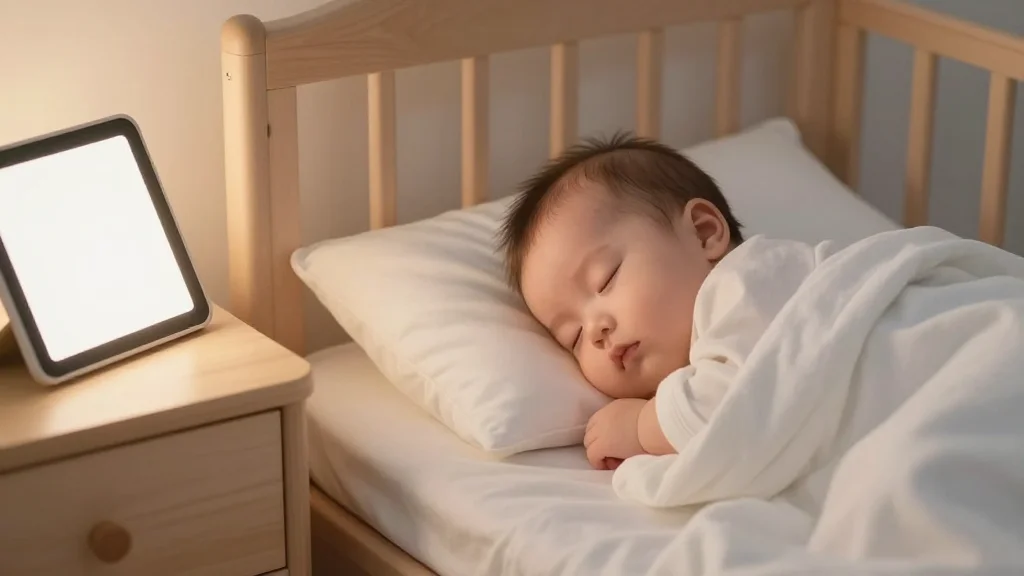
Global Study Finds 1 in 10 Babies Regularly Fall Asleep with a Screen

Why It Matters
The study spotlights a critical tension between evidence‑based health policy and the lived experiences of families navigating modern life. If infants are regularly exposed to screens at bedtime, the developmental windows identified by neuroscientists could be compromised, potentially leading to a generation with higher rates of obesity, myopia and language delays. Moreover, the research forces a reevaluation of how public health messaging is delivered; blunt prohibitions may alienate parents who already feel stretched thin, whereas supportive, resource‑driven strategies could achieve better compliance and outcomes. Beyond individual health, the findings have broader societal implications. Early childhood development is linked to educational attainment, workforce productivity and long‑term healthcare costs. Addressing screen exposure now could mitigate downstream burdens on the NHS and the economy, while also informing global standards as digital devices become ever more pervasive worldwide.
Key Takeaways
- •1 in 10 babies under two regularly fall asleep with a screen, per a global systematic review.
- •More than 70% of surveyed infants have any screen exposure; some experience up to eight hours daily.
- •Study links early screen use to obesity, myopia, sleep problems, language delay and social challenges.
- •UK government guidance advises zero screen time for infants, creating a policy‑practice gap.
- •Researchers call for supportive interventions rather than blame‑based messaging.
Pulse Analysis
The new data arrive at a moment when digital saturation is reshaping family routines. Historically, pediatric guidelines have evolved from permissive attitudes toward screens in the early 2000s to strict zero‑screen recommendations for infants by 2025. This study suggests that the pendulum may have swung too far, ignoring the socioeconomic realities that drive parents to use devices as temporary caregivers. The evidence points to a need for a nuanced policy framework that blends aspirational health goals with pragmatic support—such as subsidised early‑years programmes, parental respite services and design standards that limit blue‑light emissions for infant‑focused content.
From a market perspective, the findings could accelerate demand for screen‑free toys and sleep‑aid technologies that do not rely on visual displays. Companies that invest in research‑backed, low‑stimulus products may capture a growing segment of conscientious parents. Conversely, manufacturers of child‑focused tablets may face heightened scrutiny and potential regulation, especially if future legislation ties device sales to age‑verification or usage‑tracking mechanisms.
Looking ahead, the upcoming longitudinal cohort study will be pivotal. If it confirms causal pathways between early screen exposure and later health deficits, policymakers may be compelled to revise guidelines, perhaps introducing tiered recommendations that differentiate between passive background exposure and active, interactive screen time. The debate will likely expand beyond health ministries to include education, technology, and social services, shaping a multi‑sector response to an issue that sits at the intersection of modern parenting and child development.
Global Study Finds 1 in 10 Babies Regularly Fall Asleep with a Screen
Comments
Want to join the conversation?
Loading comments...