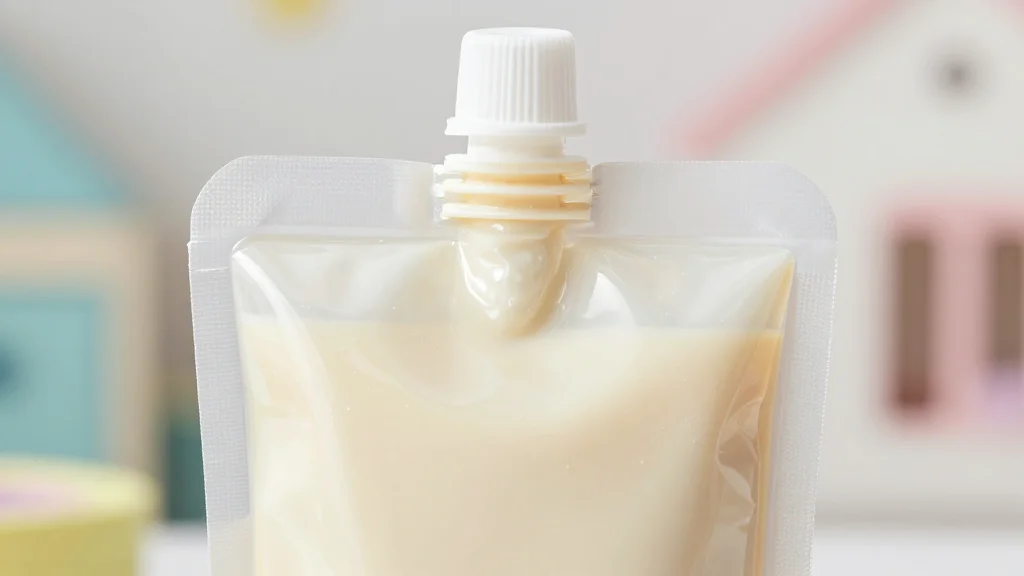
Greenpeace Study Finds Up to 5,000 Microplastic Particles in Each Gerber Baby Food Pouch

Why It Matters
The discovery of thousands of microplastic particles in a staple infant food product raises urgent public‑health questions about early chemical exposure and its long‑term effects on development. Beyond individual health, the findings spotlight the environmental toll of single‑use plastic packaging, reinforcing calls for systemic change in food‑safety regulation and packaging design. If policymakers act, the case could set a precedent for stricter oversight of all processed foods, reshaping industry standards and consumer expectations. For mothers and caregivers, the report challenges the perceived safety of convenient baby‑food formats, prompting a reevaluation of feeding choices and a push for greater transparency from manufacturers. The issue also intersects with broader climate and waste‑reduction goals, linking child health to planetary health in a way that could galvanize cross‑sector advocacy.
Key Takeaways
- •Greenpeace study finds up to 5,000 microplastic particles per Gerber baby‑food pouch.
- •More than 100 plastic‑related chemicals, including a potential endocrine disruptor, were detected.
- •Plastic squeeze pouches now hold 37% of the global baby‑food market by volume.
- •Greenpeace urges Gerber to test all products and phase out plastic pouches before its 100th anniversary.
- •Proposed U.S. legislation – the Ensuring Safe and Toxic‑Free Foods Act and Microplastics Safety Act – aims to close chemical‑review loopholes.
Pulse Analysis
The Greenpeace findings arrive at a tipping point for the infant‑food sector. Historically, manufacturers have leaned on flexible pouches for their convenience, barrier properties, and low cost. However, the mounting evidence of microplastic ingestion—especially in a demographic with heightened vulnerability—creates a risk‑reward calculus that may no longer favor status quo. Companies that invest early in alternative packaging, such as glass or biodegradable composites, could differentiate themselves and capture a growing segment of health‑conscious parents.
Legislatively, the push for the Ensuring Safe and Toxic‑Free Foods Act reflects a broader shift toward precautionary regulation of food additives, echoing the EU’s stricter novel food framework. If passed, the act could compel not only Gerber but all U.S. food producers to adopt rigorous testing protocols, potentially spurring a wave of innovation in analytical methods and supply‑chain transparency. The political landscape, however, remains fragmented; industry lobbyists are likely to argue that rapid mandates could increase food prices and strain small manufacturers.
From a market perspective, the controversy may accelerate the already observable trend of parents gravitating toward fresh, minimally processed foods and home‑made meals. Retailers could see a surge in demand for bulk, refillable containers and for brands that market plastic‑free packaging as a core value proposition. In the long run, the episode could serve as a catalyst for a broader reexamination of how convenience foods are packaged, aligning consumer health priorities with environmental sustainability goals.
Greenpeace Study Finds Up to 5,000 Microplastic Particles in Each Gerber Baby Food Pouch
Comments
Want to join the conversation?
Loading comments...