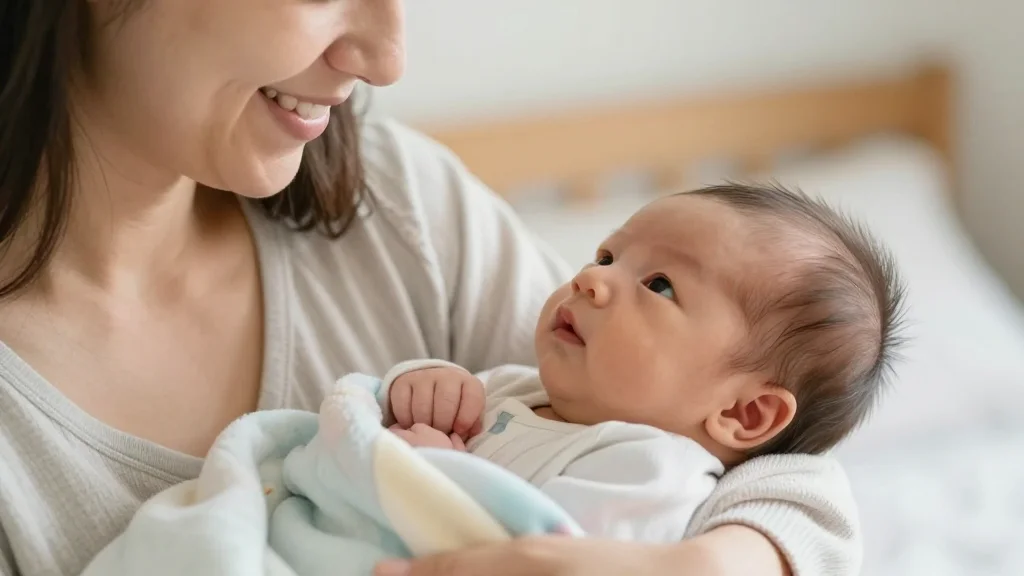
Happy Mum Podcast Spotlights Postnatal OCD in New Episode with Actress Kimberley Nixon

Why It Matters
Postnatal OCD remains one of the most under‑diagnosed mental‑health conditions affecting new mothers, often concealed by the broader label of postpartum depression. By giving a high‑profile actress a platform to describe her lived experience, the podcast not only validates the suffering of countless women but also pressures health systems to develop screening protocols that differentiate OCD from other mood disorders. The timing during Maternal Mental Health Month amplifies public awareness, encouraging policymakers, insurers, and clinicians to allocate resources toward specialized treatment pathways. Beyond individual care, the episode contributes to a cultural shift that normalizes discussions of intrusive thoughts and compulsive behaviors after childbirth. When media outlets and advocacy groups amplify such narratives, they help dismantle the shame that keeps many mothers silent, fostering a more supportive environment for early intervention and long‑term recovery.
Key Takeaways
- •Happy Mum Happy Baby released a 21‑minute episode on May 21, 2026 featuring Kimberley Nixon discussing postnatal OCD.
- •Postpartum OCD affects an estimated 2‑3 % of new mothers, according to recent clinical studies.
- •Nixon’s memoir *She Seems Fine To Me* expands on her experience and aims to raise awareness.
- •Advocacy groups are calling for dedicated OCD screening during prenatal visits.
- •The episode aligns with Maternal Mental Health Month, boosting public and policy attention.
Pulse Analysis
The release of Kimberley Nixon’s story on a mainstream parenting podcast signals a turning point in how maternal mental health is framed in popular media. Historically, postpartum depression has dominated headlines, while obsessive‑compulsive manifestations have been relegated to niche clinical literature. By leveraging Nixon’s celebrity status, the episode bridges that gap, turning a private clinical condition into a public health conversation. This shift is likely to influence funding streams, as donors and government agencies respond to heightened visibility with targeted grants for OCD‑specific research and treatment programs.
From a market perspective, the episode may accelerate demand for digital mental‑health platforms that offer specialized postpartum OCD modules. Companies that have previously focused on general perinatal support—such as tele‑therapy providers and app‑based mood trackers—will need to differentiate their offerings to capture a segment that now feels seen and validated. Early adopters that integrate exposure‑response prevention tools or partner with trauma‑informed debrief services could secure a competitive edge.
Looking ahead, the ripple effect of this podcast could reshape clinical guidelines. If professional bodies cite the episode as evidence of rising public awareness, they may endorse routine OCD screening questions in prenatal check‑ups, similar to the Edinburgh Postnatal Depression Scale. Such policy changes would create a feedback loop: increased screening leads to more diagnoses, which in turn fuels demand for specialized care, prompting insurers to expand coverage. In short, a single 21‑minute conversation may catalyze a cascade of systemic improvements for mothers grappling with postnatal OCD.
Happy Mum Podcast Spotlights Postnatal OCD in New Episode with Actress Kimberley Nixon
Comments
Want to join the conversation?
Loading comments...