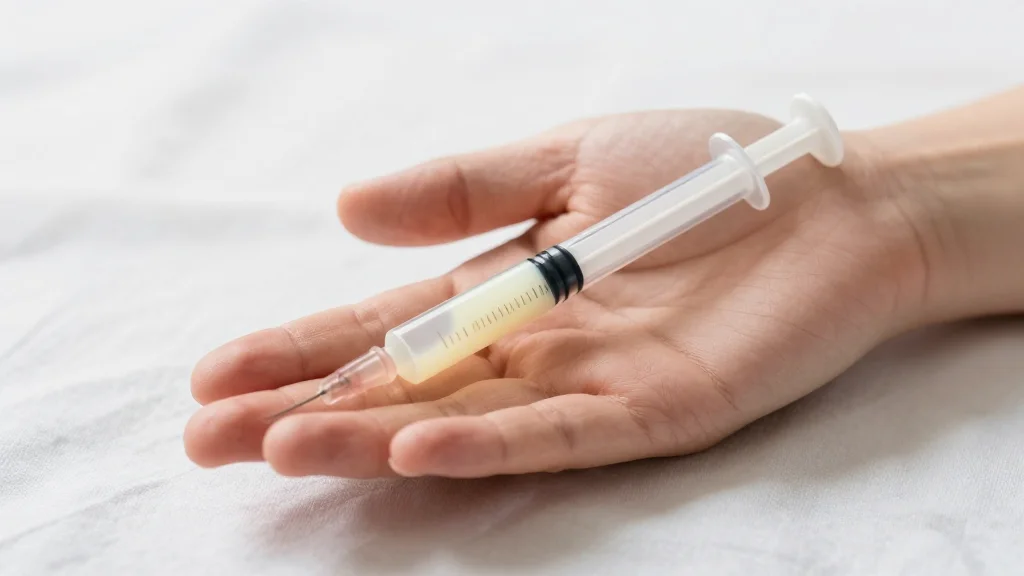
How To Collect Colostrum During Pregnancy
Why It Matters
Antenatal colostrum collection provides a readily available source of immune‑rich nutrition for vulnerable infants, potentially reducing hypoglycemia interventions and supporting breastfeeding initiation. It also empowers mothers with hands‑on experience that can ease post‑birth feeding transitions.
Key Takeaways
- •Antenatal colostrum collection starts at 36 weeks, not earlier
- •Primary method: hand expression, max 10 minutes per session
- •Average yield: 1‑3 ml per session, ~40 ml total
- •Frozen syringes keep up to 6 months; fridge 4 days
- •Benefits include neonatal glucose support and maternal hand‑expression confidence
Pulse Analysis
Colostrum, often dubbed "liquid gold," is the first milk produced during pregnancy and is packed with antibodies, growth factors, and calories essential for newborn health. In recent years, antenatal colostrum expression has gained traction among obstetricians and lactation consultants, particularly for mothers with gestational diabetes or anticipated NICU stays. By harvesting colostrum before birth, parents can ensure an immediate, autologous source of nutrition if the infant experiences hypoglycemia or struggles to latch, reducing reliance on formula or donor milk and potentially shortening hospital stays.
Safety and timing are paramount. Clinical guidelines advise initiating hand expression only after 36 weeks gestation to avoid stimulating uterine contractions that could precipitate preterm labor. The technique is straightforward: gentle massage and compression of breast tissue, avoiding direct nipple stimulation, for no more than ten minutes per breast. Studies show modest yields—typically one to three milliliters per session—yet even a few drops can be lifesaving for a neonate with a tiny stomach. While robust evidence exists for diabetic pregnancies, researchers are exploring broader applications, such as preterm infants with feeding difficulties, underscoring the need for individualized medical counsel.
Logistics of storage often pose the biggest hurdle. Collected colostrum should be transferred into sterile, labeled syringes and frozen if not used within four days; frozen samples remain viable for up to six months. Hospital policies vary, so families must coordinate with their birthing center to ensure the milk is accepted and properly labeled upon arrival. Beyond the immediate nutritional benefit, the practice builds maternal confidence in hand expression, a skill that can alleviate engorgement, support lactation continuity, and improve overall breastfeeding success rates.
How To Collect Colostrum During Pregnancy
Comments
Want to join the conversation?
Loading comments...