I Use AI at Home because I'm a Working Mom. It Saves Me 10 Hours a Week, and I'm Tired of the Backlash.
Companies Mentioned
Why It Matters
The story illustrates how AI is moving from corporate use to personal life, delivering measurable time savings for busy families and challenging prevailing stigma around consumer‑grade AI adoption.
Key Takeaways
- •Katz saves ~10 hours weekly using AI for household tasks.
- •Claude automates calendar syncing, creates password‑protected schedule site.
- •AI generates grocery lists, links to DoorDash and Uber Eats.
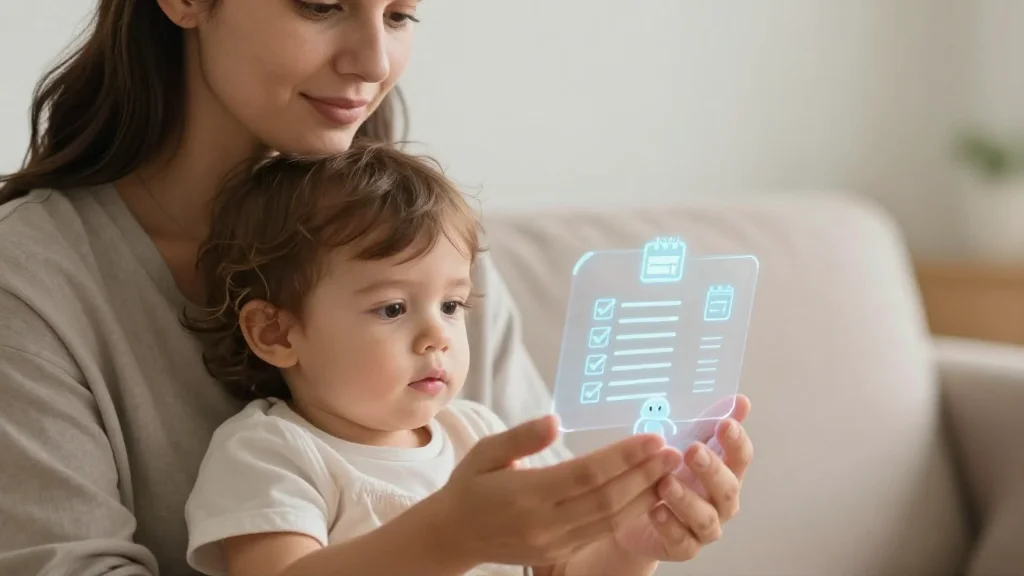
- •AI tracks developmental milestones, informs pediatrician visits.
- •Backlash persists despite productivity gains for working parents.
Pulse Analysis
The pandemic‑era surge in artificial‑intelligence tools has spilled over from office desks into kitchens and playrooms. Parents, especially those juggling remote work, are discovering that large‑language models can handle repetitive chores that once ate up precious hours. Platforms such as Anthropic's Claude are being repurposed to read multiple Google calendars, generate color‑coded HTML schedules, and even deploy them to secure web pages, turning what used to be a multi‑hour planning session into a five‑minute task. This democratization of AI mirrors a broader consumer trend where sophisticated models are packaged for everyday users, blurring the line between enterprise software and household utilities.
In practice, AI’s value proposition for families extends beyond scheduling. By feeding inventory data, dietary restrictions, and even medical information into a chatbot, users can produce dynamic grocery lists that automatically route to services like DoorDash or Uber Eats. The same technology can curate developmental‑milestone checklists, giving parents a data‑driven conversation starter for pediatric appointments. These applications translate into tangible outcomes: reduced mental load, fewer missed appointments, and more quality time with children. For working mothers like Katz, the net effect is a reclaimed ten‑hour workweek that can be redirected toward career projects or family engagement.
Despite the clear efficiencies, a cultural backlash persists, rooted in concerns over data privacy, algorithmic bias, and the moral implications of delegating caregiving tasks to machines. Critics argue that reliance on AI may erode human judgment or widen socioeconomic gaps. However, stories like Katz’s provide a counter‑narrative that emphasizes practical benefits and human‑centered outcomes. As more households adopt AI to streamline daily logistics, the conversation is likely to shift from abstract ethics to concrete best‑practice guidelines, shaping a new norm where AI is a trusted partner in modern parenting.
I use AI at home because I'm a working mom. It saves me 10 hours a week, and I'm tired of the backlash.
Comments
Want to join the conversation?
Loading comments...