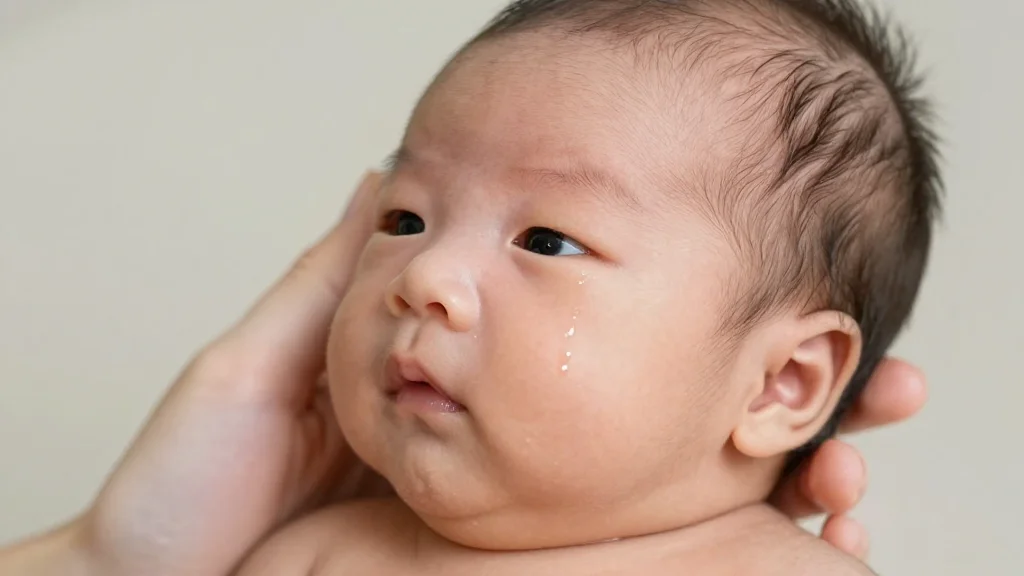
Intense Crying in East-Asian Infants May Reflect Cultural Norms, Not Insecure Attachment, Study Suggests
Why It Matters
Misinterpreting culturally driven distress as attachment insecurity can skew diagnostic criteria and research conclusions, affecting early‑intervention strategies worldwide.
Key Takeaways
- •Korean and Japanese infants cry more during separations than U.S. peers
- •Intense crying occurs despite similar reunion behavior across cultures
- •Study warns against labeling East Asian infants as insecure‑resistant
- •Cultural unfamiliarity of the Strange Situation may inflate distress scores
Pulse Analysis
Attachment theory relies heavily on the Strange Situation Procedure to gauge infant‑caregiver bonds, yet the protocol was designed in a Western context where brief separations are routine. When infants from societies that rarely experience such separations are placed in an unfamiliar room, the procedure can become a potent stressor, inflating observable distress without necessarily indicating an insecure attachment style. Recognizing this cultural mismatch is essential for psychologists who aim to apply universal diagnostic frameworks.
The comparative analysis of 87 Korean, 126 Japanese, 106 U.S., and 66 Czech infants reveals a consistent pattern: East‑Asian infants display markedly longer crying bouts during the second separation and stranger‑comfort episodes, while their reactions during reunions align closely with Western counterparts. This suggests that the heightened crying is a situational response to an atypical environment rather than a stable attachment deficit. Consequently, researchers and clinicians should reconsider the practice of labeling East‑Asian infants as “insecure‑resistant” based solely on Strange Situation metrics, and instead incorporate culturally sensitive assessment tools.
Methodological nuances temper the study’s conclusions. The U.S. data stem from Ainsworth’s 1978 cohort, raising concerns about generational shifts in parenting norms, while variability between the two Japanese samples hints at procedural differences. Future work must employ contemporaneous, culturally calibrated designs—perhaps integrating home‑based observations or caregiver‑report measures—to validate attachment classifications across diverse populations. Such rigor will enhance the reliability of developmental research and ensure that early‑intervention programs are grounded in culturally appropriate evidence.
Intense crying in East-Asian infants may reflect cultural norms, not insecure attachment, study suggests
Comments
Want to join the conversation?
Loading comments...