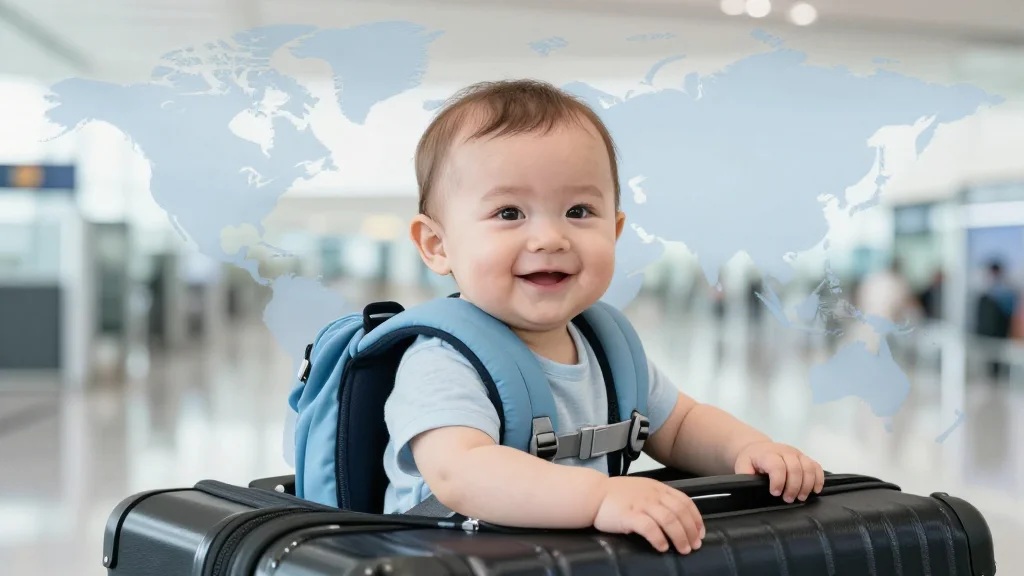
Jess, Mom of First Baby Influencer, Shares How Her One‑Year‑Old Visited 16 Countries in 12 Months

Why It Matters
Jess’s high‑profile travel narrative underscores a nascent but rapidly growing segment of family‑focused influencer marketing. By demonstrating that a one‑year‑old can safely experience extensive international travel, the story challenges traditional notions of infant mobility and opens new revenue streams for travel brands targeting parents. Moreover, the public discussion around ethical considerations of baby influencers adds a layer of societal debate, prompting regulators and child‑advocacy groups to examine consent and privacy issues. The practical advice Jess shares also serves as a catalyst for a broader cultural shift: families are increasingly viewing travel as an integral part of early childhood development rather than a luxury reserved for later years. This could influence product design, from portable infant gear to health‑monitoring wearables, and reshape how tourism agencies market destinations to parents.
Key Takeaways
- •Jess’s infant son Briggs visited 16 countries in his first year, setting a benchmark for baby influencers.
- •The mother detailed a flexible, health‑first travel strategy, emphasizing pre‑approved medical facilities and synchronized flight‑nap schedules.
- •Brands are courting baby influencer families, seeing authentic content as a high‑impact marketing channel.
- •Travel industry players are adapting services—airlines offering bassinets, hotels expanding crèches—to accommodate infant travelers.
- •The rise of baby influencers sparks ethical debates about child consent and the long‑term effects of early public exposure.
Pulse Analysis
The emergence of baby influencers like Jess and Briggs signals a convergence of two powerful trends: the democratization of content creation and the increasing desire for experiential parenting. Historically, travel with infants was viewed as a logistical nightmare; today, social media platforms provide a roadmap that normalizes and even celebrates it. Jess’s success illustrates how a well‑executed content strategy can turn a personal family adventure into a marketable asset, attracting sponsorships and driving product innovation.
From a competitive standpoint, early adopters gain a first‑mover advantage in securing brand partnerships and shaping consumer expectations. Travel companies that proactively design infant‑friendly services will likely capture a loyal segment of affluent, socially connected parents. Conversely, firms that lag may miss out on a lucrative niche as families increasingly prioritize destinations that accommodate young children.
Looking forward, the sustainability of the baby influencer model will hinge on balancing authenticity with ethical stewardship. As regulators scrutinize the commercial exploitation of minors, influencers will need transparent disclosure practices and perhaps third‑party oversight to maintain audience trust. For parents, the key takeaway is that meticulous planning—mirroring Jess’s emphasis on health checks and flexible logistics—can make extensive travel feasible, but it must always serve the child’s best interests above the allure of online fame.
Jess, Mom of First Baby Influencer, Shares How Her One‑Year‑Old Visited 16 Countries in 12 Months
Comments
Want to join the conversation?
Loading comments...