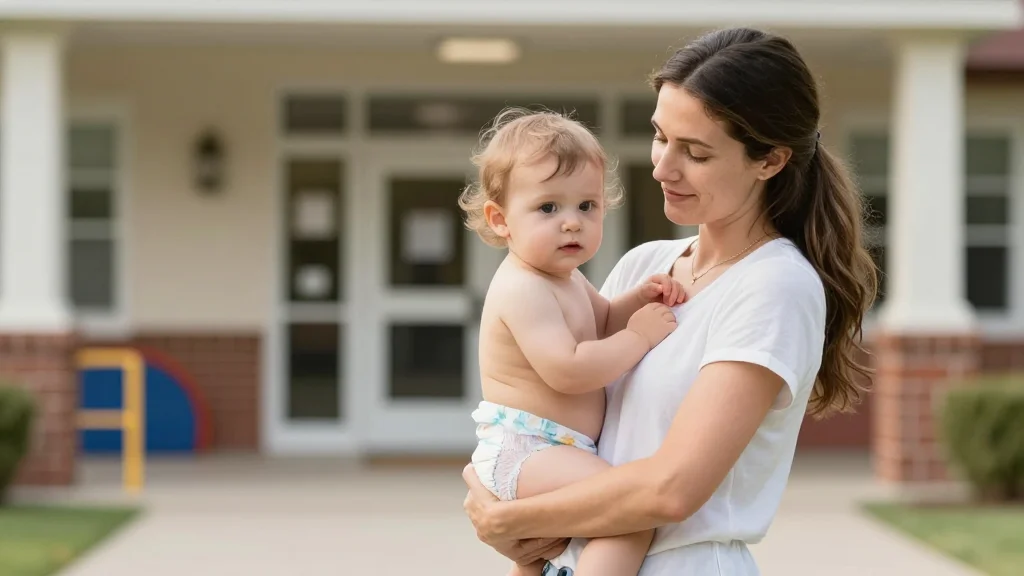
Louise Thompson Issues Public Apology Over Potty‑Training Remarks

Why It Matters
The incident highlights how celebrity commentary can shape public perceptions of parenting norms, especially around developmental milestones like potty training. By publicly apologizing, Thompson acknowledges the power dynamics at play and sets a precedent for more thoughtful discourse. The episode also brings attention to the experiences of families with children who have special educational needs, a group often overlooked in mainstream parenting narratives. Furthermore, the backlash illustrates the growing demand for media accountability. As audiences become more vocal about representation and inclusivity, influencers must navigate a tighter scrutiny landscape, balancing authenticity with sensitivity. This shift could drive more collaborative content creation between media personalities and child development experts, fostering a more informed public dialogue.
Key Takeaways
- •Louise Thompson and Ryan Libbey apologized on Instagram after podcast remarks about potty‑training sparked backlash.
- •The podcast referenced a Guardian statistic that 1 in 4 children start school without being fully potty‑trained.
- •Critics said the comment ignored children with special educational needs or disabilities.
- •Thompson emphasized her own invisible disability and expressed admiration for struggling mothers.
- •The incident reignites debate over media responsibility and representation in parenting discussions.
Pulse Analysis
Louise Thompson's apology serves as a case study in the evolving expectations placed on public figures within the motherhood ecosystem. Historically, celebrity parenting advice was taken at face value, often without rigorous fact‑checking. Today, the rise of niche advocacy groups and real‑time social media feedback means that any misstep can quickly become a public relations crisis. Thompson's swift acknowledgment and invitation for dialogue may mitigate reputational damage, but it also signals a shift toward more collaborative content creation, where influencers partner with experts to pre‑empt criticism.
From a market perspective, this episode could influence how brands align with parenting influencers. Companies that sponsor podcasts or social media content will likely demand stricter vetting processes to avoid association with controversial statements. The incident may also accelerate the growth of platforms that specialize in vetted, expert‑driven parenting advice, offering an alternative to celebrity‑centric narratives. In the long term, the heightened scrutiny could foster a more inclusive conversation that better reflects the diverse experiences of modern families, especially those navigating disabilities and developmental challenges.
Ultimately, the episode underscores a broader cultural shift: parenting is no longer a private matter discussed behind closed doors, but a public discourse shaped by media, advocacy, and consumer expectations. Influencers who adapt to this reality—by listening, learning, and integrating expert insights—stand to retain relevance, while those who resist may find their platforms eroding in an increasingly conscientious marketplace.
Louise Thompson Issues Public Apology Over Potty‑Training Remarks
Comments
Want to join the conversation?
Loading comments...