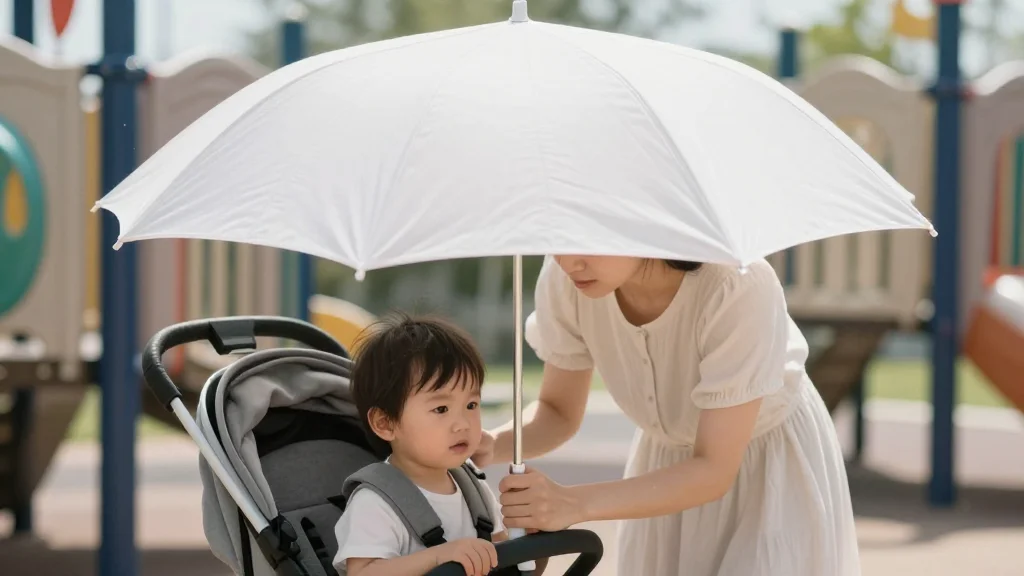
Malaysia's Minister Orders Childcare Centres to Halt Outdoor Play During Heatwave

Why It Matters
The heatwave advisory directly impacts daily parenting decisions, forcing families to balance childcare logistics with health considerations. By mandating indoor confinement, the government aims to prevent heat‑related illnesses, which can have lasting effects on young children’s development. The move also spotlights the broader challenge of climate‑driven disruptions to early childhood education, prompting providers to adapt quickly to protect vulnerable populations. Beyond immediate safety, the directive may set a precedent for how public agencies respond to extreme weather events affecting children. It underscores the need for resilient infrastructure in childcare settings and could accelerate investments in climate‑controlled facilities, shaping the future of early‑learning environments in Malaysia and the region.
Key Takeaways
- •Minister Nancy Shukri orders suspension of outdoor play for childcare centres amid heatwave.
- •Social Welfare Department deploys over 4,785 staff, including 150 counsellors, to support affected communities.
- •Level 1 heat alert issued for 15 Malaysian regions, heightening health risks for young children.
- •Childcare operators must redesign indoor activities and may face staffing challenges.
- •Parents are urged to educate children on heat safety and stay updated on government advisories.
Pulse Analysis
The heatwave advisory highlights a growing intersection between climate change and early childhood care. Historically, Malaysian childcare centres have relied on outdoor play as a core component of early development curricula. The sudden shift to indoor‑only activities forces providers to innovate quickly, potentially accelerating the adoption of climate‑controlled play spaces and digital learning tools. Operators that can pivot effectively may gain a competitive edge, while those lacking resources could see enrollment declines.
From a policy perspective, the government's rapid mobilisation of nearly 5,000 welfare personnel signals an increasing willingness to intervene in public health emergencies that affect children. This could pave the way for more formalized heat‑risk protocols across the sector, similar to guidelines seen in other Southeast Asian nations. However, the reliance on temporary advisories rather than permanent infrastructure upgrades may limit long‑term resilience.
For parents, the advisory adds a layer of complexity to daily routines, especially for working families dependent on childcare services. The emphasis on parental education about heat risks suggests a collaborative approach, but also places additional responsibility on caregivers. As heatwaves become more frequent, we can expect a broader dialogue about the adequacy of current childcare standards and the need for systemic investments to safeguard child health in a warming climate.
Malaysia's Minister Orders Childcare Centres to Halt Outdoor Play During Heatwave
Comments
Want to join the conversation?
Loading comments...