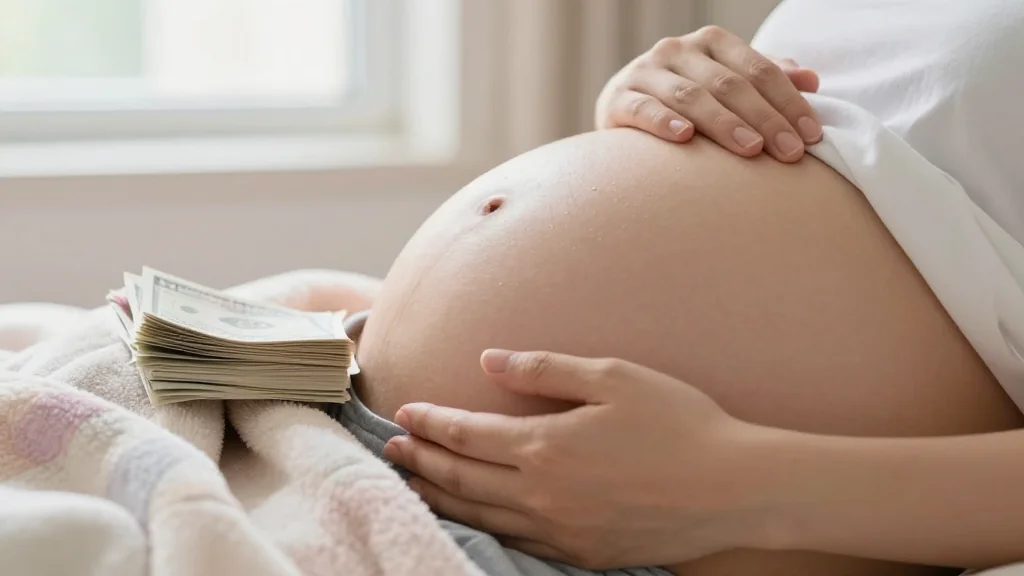
Michigan’s Rx Kids Cash Aid Reaches 60+ Communities, Serving 23,000 Infants

Why It Matters
Direct cash assistance to pregnant and new mothers tackles financial insecurity at a critical life stage, potentially improving health outcomes for both mothers and infants. By reducing stress and enabling access to prenatal care, programs like Rx Kids could lower costly medical interventions such as NICU stays, delivering savings for the health system. Moreover, the initiative offers a scalable model for other jurisdictions grappling with child‑poverty and maternal‑health disparities. If the upcoming evaluation confirms the early gains, policymakers may consider integrating cash‑transfer components into broader maternal‑child health strategies, shifting the focus from fragmented aid to flexible, recipient‑driven support. The program also raises questions about fiscal sustainability and the balance between state funding and private philanthropy in delivering social services.
Key Takeaways
- •Rx Kids operates in 60+ Michigan communities, serving ~23,000 infants per year
- •Program funded by $250 million state money and $70 million private donations
- •Mothers receive $1,500 mid‑pregnancy plus $500 monthly for 6‑12 months
- •Early data show reduced evictions, fewer preterm births, and lower NICU admissions
- •Expansion adds 20 counties this summer, with a statewide rollout planned
Pulse Analysis
The Rx Kids initiative marks a decisive shift toward cash‑based interventions in maternal‑child health, a field traditionally dominated by in‑kind services and eligibility‑heavy programs. By handing cash directly to mothers, the model sidesteps bureaucratic delays and respects recipient autonomy, echoing findings from other cash‑transfer experiments that link unconditional payments to improved health behaviors. The Michigan rollout benefits from a unique funding cocktail—substantial state backing paired with private philanthropy—that mitigates the political risk of scaling a novel approach.
Historically, cash assistance for families has been contentious, with skeptics fearing misuse or dependency. However, the qualitative feedback from participants—highlighting rest after birth, ability to pay rent, and reduced stress—suggests that the stigma surrounding cash aid is eroding when the funds are framed as a medical prescription. The program’s design, which ties payments to specific developmental windows, aligns financial support with critical periods of infant growth, potentially amplifying health returns.
Looking ahead, the sustainability of Rx Kids hinges on rigorous outcome data and a clear cost‑benefit narrative. If the upcoming evaluation demonstrates that the $250 million state outlay translates into measurable reductions in health‑care expenditures and social service usage, other states may adopt similar models, creating a new policy frontier. Conversely, if funding gaps emerge or outcomes fall short, the program could face scaling back, underscoring the importance of diversified financing and continuous performance monitoring.
Michigan’s Rx Kids cash aid reaches 60+ communities, serving 23,000 infants
Comments
Want to join the conversation?
Loading comments...