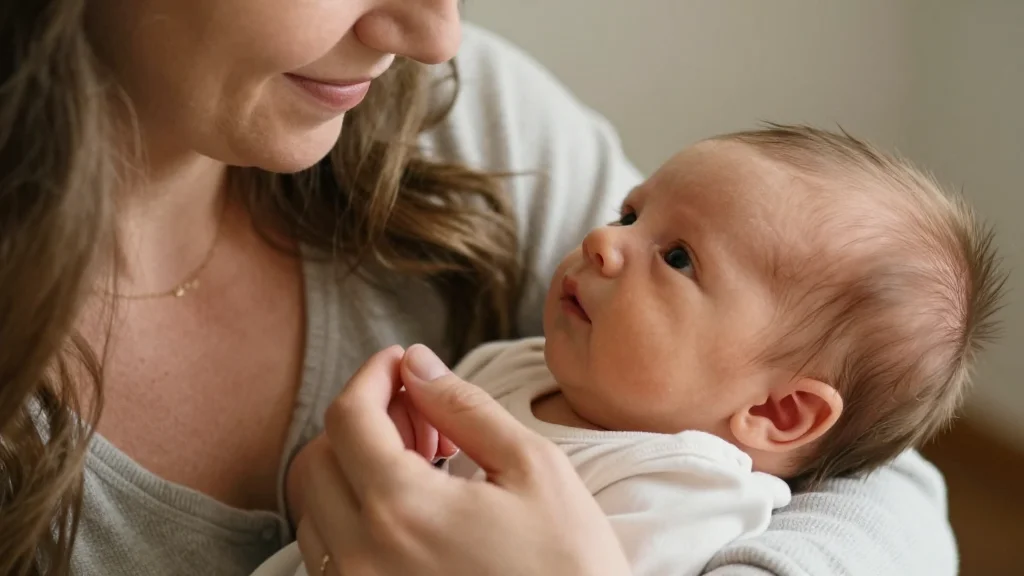
Monash Study Finds No Cognitive Decline in New Parents, Debunking 'Baby Brain' Myth

Why It Matters
The myth of "baby brain" has shaped cultural expectations of mothers for decades, influencing everything from workplace policies to mental‑health support. By demonstrating that new parents' cognition does not deteriorate, the study challenges policies that assume reduced productivity or decision‑making capacity among recent parents. It also reframes the conversation around parental well‑being, directing attention to sleep hygiene, mental‑health resources, and societal support structures rather than unfounded biological determinism. Beyond individual reassurance, the findings could impact clinical practice. Health professionals may be less likely to attribute memory lapses or concentration issues solely to postpartum hormonal changes, prompting more comprehensive assessments that consider sleep, stress, and environmental factors. In the broader gender equity arena, debunking a stereotype that disproportionately targets mothers may help reduce bias in hiring, promotion, and parental leave negotiations.
Key Takeaways
- •300 new parents (150 mothers, 150 fathers) performed on par with non‑parents in cognition tests.
- •No measurable decline in memory, attention, or executive function up to two years postpartum.
- •Male non‑fathers reported higher subjective memory, a bias absent in fathers due to sleep loss.
- •Study published in Cortex, led by Navyaan Siddiqui and Dr. Kelsey Perrykkad at Monash University.
- •Authors link perceived "baby brain" to sleep deprivation and well‑being, not objective cognitive decline.
Pulse Analysis
The Monash study arrives at a pivotal moment when workplace flexibility and parental leave policies are under intense scrutiny. Historically, the "baby brain" narrative has been wielded—often implicitly—to justify reduced expectations for new mothers, reinforcing gendered career penalties. By providing robust, peer‑reviewed evidence that cognitive capacity remains intact, the research equips advocates with empirical ammunition to challenge discriminatory practices.
From a scientific perspective, the study's strength lies in its sample size and balanced design, addressing a key limitation of earlier work that relied on small, homogenous cohorts. However, the reliance on laboratory‑based cognitive batteries may miss real‑world multitasking demands that parents face daily. Future research should integrate ecological momentary assessments to capture how sleep fragmentation and stress interact with cognitive performance in naturalistic settings.
Looking ahead, the findings could catalyze policy shifts. Employers might reconsider blanket assumptions about reduced productivity for new parents, instead offering targeted support—flexible scheduling, on‑site childcare, and sleep‑focused wellness programs. For clinicians, the study underscores the need to screen for sleep disorders and postpartum depression as primary contributors to perceived cognitive lapses. In sum, the debunking of "baby brain" not only restores confidence to new parents but also paves the way for more equitable, evidence‑based treatment of parenthood in both the workplace and healthcare systems.
Monash Study Finds No Cognitive Decline in New Parents, Debunking 'Baby Brain' Myth
Comments
Want to join the conversation?
Loading comments...