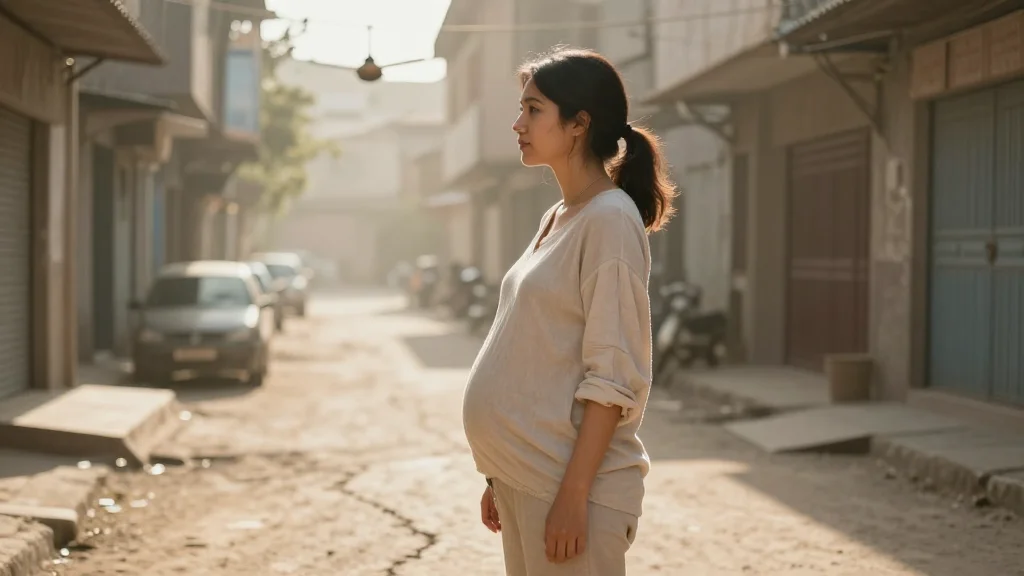
‘My Body Feels Like Lead’: Heat Is Making Pregnancy a Nightmare in Karachi
Why It Matters
Extreme heat directly jeopardizes maternal and neonatal health, amplifying existing socioeconomic inequities and straining an already fragile public health system.
Key Takeaways
- •Karachi temps exceed 40°C, humidity over 70% in summer
- •Pregnant women face dehydration, preterm birth risks from extreme heat
- •Power outages leave slums without cooling, worsening health outcomes
- •Mama Baby Fund distributes cooling kits to vulnerable mothers
- •Urban heat island amplifies climate impacts in dense districts
Pulse Analysis
Karachi’s soaring temperatures are more than a weather story; they represent a public‑health crisis for pregnant women in the city’s most vulnerable neighborhoods. The combination of an urban heat‑island effect, limited green cover, and chronic power shortages creates indoor environments that exceed human tolerance thresholds. For expectant mothers, prolonged exposure can trigger dehydration, urinary‑tract infections, and heightened risk of preterm delivery, outcomes that are already documented in emerging climate‑health research. These physiological stresses are compounded by cultural dress codes and limited mobility, leaving women like Asiya with few practical coping mechanisms.
The systemic gaps in Karachi’s healthcare infrastructure exacerbate the problem. Public hospitals have not expanded since the 1970s, eroding public confidence and driving many to seek care in overcrowded, under‑resourced clinics. In informal settlements, the lack of reliable electricity means fans and fans are often unavailable during the hottest hours, while affluent districts rely on generators and air‑conditioning. This disparity underscores how climate change magnifies existing social inequities, turning heat into a determinant of maternal mortality and infant morbidity in low‑income communities.
Grassroots interventions are emerging as critical stop‑gaps. Organizations like Mama Baby Fund provide summer care packages containing breathable clothing, rehydration salts, and portable fans, offering immediate relief and reducing heat‑related complications. While these efforts showcase community resilience, they also highlight the urgent need for policy‑level action: expanding green infrastructure, improving power reliability, and scaling maternal health services. Addressing Karachi’s heat challenge now can prevent a generation of health setbacks and set a precedent for other megacities facing similar climate pressures.
‘My body feels like lead’: Heat is making pregnancy a nightmare in Karachi
Comments
Want to join the conversation?
Loading comments...