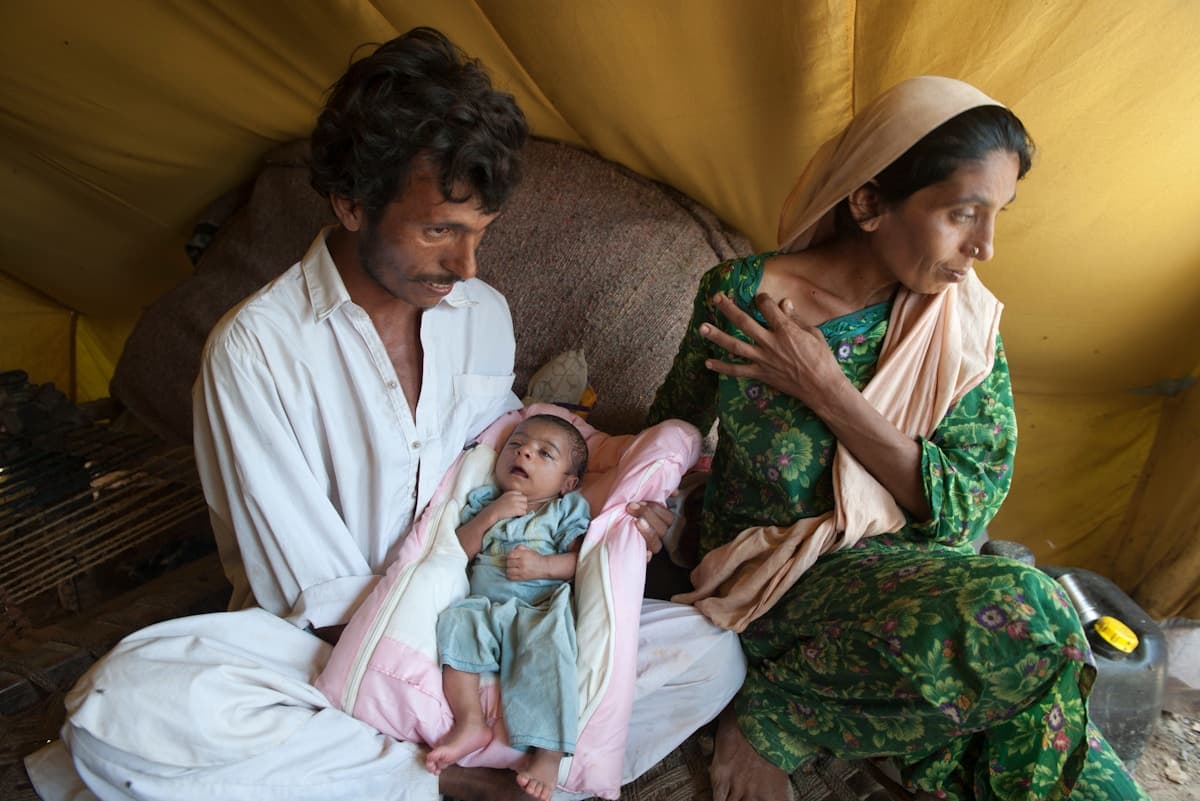
‘My Body Feels Like Lead’: Heat Is Making Pregnancy a Nightmare in Karachi
Why It Matters
The convergence of extreme heat and inadequate healthcare amplifies maternal mortality risk, threatening Pakistan’s public health gains and economic productivity. Addressing climate‑driven pregnancy risks is essential for equitable urban development.
Key Takeaways
- •Karachi's summer temps exceed 40 °C, raising dehydration risk for pregnant women
- •Power cuts leave slum homes without fans or AC for 12 hours
- •Heat‑related complications include preterm birth, low birth weight, and stillbirths
- •Mama Baby Fund provides fans, rehydration salts, and clothing on Baba Island
- •Urban heat islands amplify climate risk for low‑income pregnant women in Karachi
Pulse Analysis
Extreme heat is emerging as a silent epidemic for expectant mothers in Karachi, where temperatures regularly breach 40 °C and humidity spikes above 70 %. The physiological strain of high heat accelerates dehydration, urinary‑tract infections, and kidney issues, conditions that can precipitate preterm labor and low birth weight. For women in informal settlements, the problem compounds: frequent load‑shedding deprives homes of fans and air conditioners, while dense housing and limited green space create a classic urban heat‑island effect that pushes ambient temperatures well beyond human comfort thresholds.
The health fallout is disproportionately shouldered by low‑income families. Without reliable electricity, pregnant women cannot access basic cooling measures, and the lack of adequate antenatal services means complications often go undetected until they become life‑threatening. Studies link heat exposure to higher rates of preterm births, stillbirths, and neonatal neurological issues, outcomes that strain already overburdened public hospitals. In Karachi, the last new public hospital opened in 1974, leaving a chronic trust deficit that drives many to seek care from under‑resourced NGOs.
Grassroots initiatives are filling critical gaps. Mama Baby Fund’s Summer Care Packages—containing hand fans, rehydration salts, and breathable clothing—provide immediate relief on heat‑stricken Baba Island, where "feels like" temperatures can reach 48 °C. While such interventions are lifesaving, they are stop‑gap measures that underscore the need for systemic policy action: expanding green infrastructure, ensuring reliable power for vulnerable neighborhoods, and integrating climate resilience into maternal health programs. Without coordinated investment, the intersection of climate change and maternal health will continue to erode progress toward safer pregnancies in Pakistan’s megacity.
‘My body feels like lead’: Heat is making pregnancy a nightmare in Karachi
Comments
Want to join the conversation?
Loading comments...