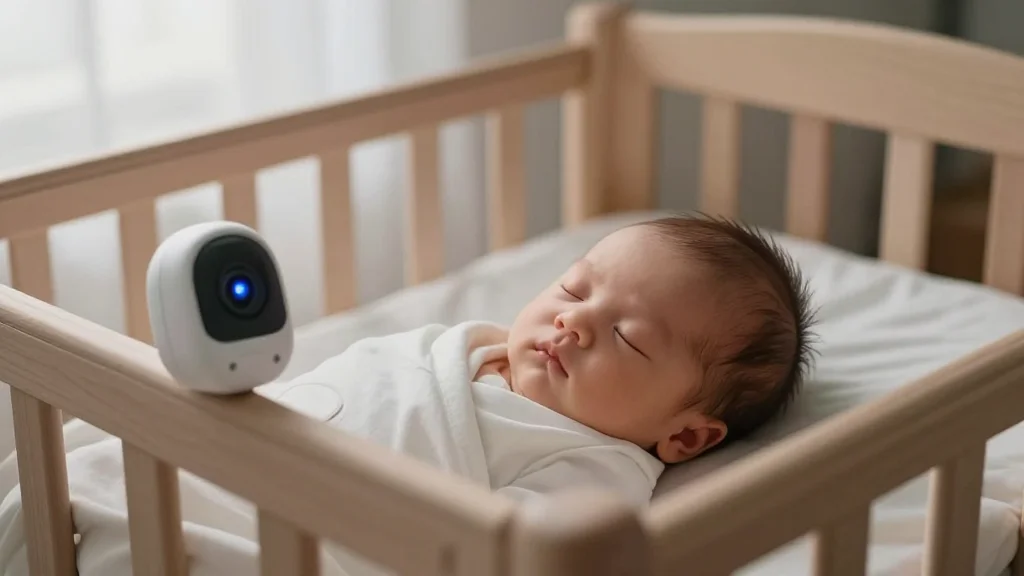
Nanit Study Finds Sleep‑Tracking Apps May Harm Infant Sleep, Fueling Orthosomnia Concerns

Companies Mentioned
Why It Matters
The link between orthosomnia and infant sleep disruption raises broader concerns about how digital health tools influence parenting behavior. If excessive data consumption heightens parental anxiety, it may inadvertently stress infants, undermining the very health outcomes these technologies aim to improve. Understanding this dynamic is crucial for pediatricians, device makers, and policymakers who seek to promote evidence‑based, low‑stress parenting practices. Moreover, the study spotlights a growing tension in the motherhood space: the desire for precise, data‑driven insights versus the risk of over‑monitoring. As more families adopt smart baby monitors, clear guidelines will be needed to prevent technology from becoming a source of stress rather than a solution.
Key Takeaways
- •Nanit analyzed data from over 100,000 U.S. families to assess infant sleep patterns.
- •Frequent checking of sleep‑tracking scores correlated with increased night awakenings.
- •Dr. Natalie Barnett warned that obsessive monitoring—orthosomnia—can stress babies.
- •The baby‑tech market is projected to surpass $1 billion annually by 2028.
- •Nanit will extend research to two‑year outcomes and partner with pediatric sleep experts.
Pulse Analysis
The Nanit study arrives at a pivotal moment when parents are inundated with data from wearables, smart monitors, and mobile apps. Historically, the promise of technology in early childhood care has been to provide reassurance and actionable guidance. However, the concept of orthosomnia—originally described in adult sleep research—now appears to be migrating to the nursery, suggesting that the same anxiety‑driven feedback loops can affect infants indirectly through caregiver stress.
From a market perspective, the findings could force a recalibration of product roadmaps. Companies that have built revenue models around premium analytics may need to shift toward wellness‑oriented features that limit screen time and promote parental mental health. This could open opportunities for new entrants focused on holistic parenting solutions rather than raw data. At the same time, pediatricians may begin to incorporate technology literacy into routine visits, advising families on optimal app usage frequencies.
Looking forward, the key question is whether the industry can strike a balance between insight and intrusion. If Nanit and its peers can demonstrate that limited, well‑timed data points improve outcomes without fostering orthosomnia, they may preserve consumer trust and sustain growth. Conversely, failure to address these concerns could trigger regulatory scrutiny and a backlash from parent advocacy groups, potentially reshaping the entire motherhood tech ecosystem.
Nanit Study Finds Sleep‑Tracking Apps May Harm Infant Sleep, Fueling Orthosomnia Concerns
Comments
Want to join the conversation?
Loading comments...