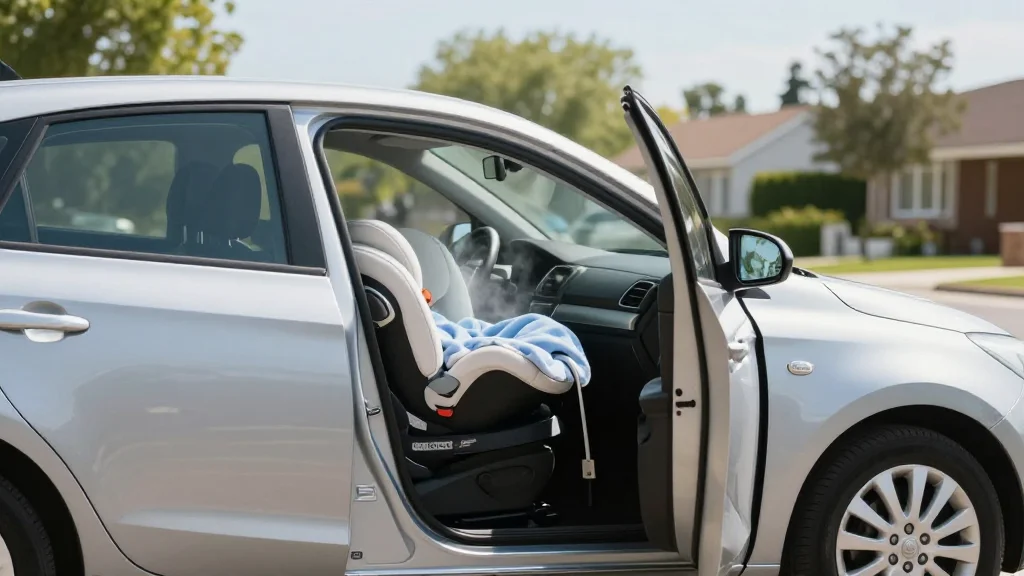
NSW Coroner Blames Memory Failure for Two Child Deaths in Hot Cars

Why It Matters
The coroner’s conclusions spotlight a hidden risk for parents that extends beyond reckless behavior to ordinary human error under pressure. By framing memory failure as a systemic issue, the findings push policymakers to consider preventive infrastructure—public education and real‑time alerts—rather than solely punitive measures. If adopted, these safeguards could reduce the frequency of hot‑car incidents, a leading cause of preventable child deaths in Australia. Moreover, the recommendations may set a precedent for other jurisdictions grappling with similar tragedies, prompting a broader reevaluation of child‑safety protocols in vehicles worldwide.
Key Takeaways
- •Deputy State Coroner Rebecca Hosking attributes two hot‑car child deaths to memory failure and fatigue
- •Children were 14‑month‑old OVA and 3‑year‑old AN, left in cars during May 2025 and February 2023 incidents
- •Coroner recommends nationwide awareness campaigns with simple memory‑cue strategies
- •She calls for mandatory real‑time childcare‑absence notifications to parents
- •The report is expected to influence upcoming NSW policy debates on child‑vehicle safety
Pulse Analysis
The coroner’s report reframes hot‑car fatalities from a narrative of parental negligence to one of cognitive overload, a shift that could reshape public discourse and legislative action. Historically, campaigns have focused on punitive deterrents—fines, license suspensions, and criminal charges—while offering limited guidance on preventing honest mistakes. By highlighting chronic fatigue and routine disruption as key contributors, the findings align with emerging research on ‘parental brain fog,’ suggesting that solutions must address the environmental triggers of memory lapses, not just the outcomes.
From a policy perspective, the push for mandatory childcare‑absence alerts mirrors similar safety nets in other sectors, such as airline no‑show notifications and hospital discharge reminders. Implementing such a system would require standardizing communication protocols across a fragmented childcare industry, potentially spurring tech‑driven platforms that integrate attendance data with parental smartphones. The cost of deployment could be offset by the societal savings from avoided tragedies, a calculation that may appeal to budget‑conscious legislators.
Looking ahead, the effectiveness of awareness campaigns will hinge on their ability to cut through information fatigue. Simple visual cues—like placing a child’s backpack in the front seat—must be reinforced through repeated messaging in schools, workplaces, and media. If NSW adopts these measures, other Australian states and even international jurisdictions may follow, establishing a new baseline for child‑safety in vehicles that balances empathy for stressed parents with proactive safeguards.
NSW Coroner Blames Memory Failure for Two Child Deaths in Hot Cars
Comments
Want to join the conversation?
Loading comments...