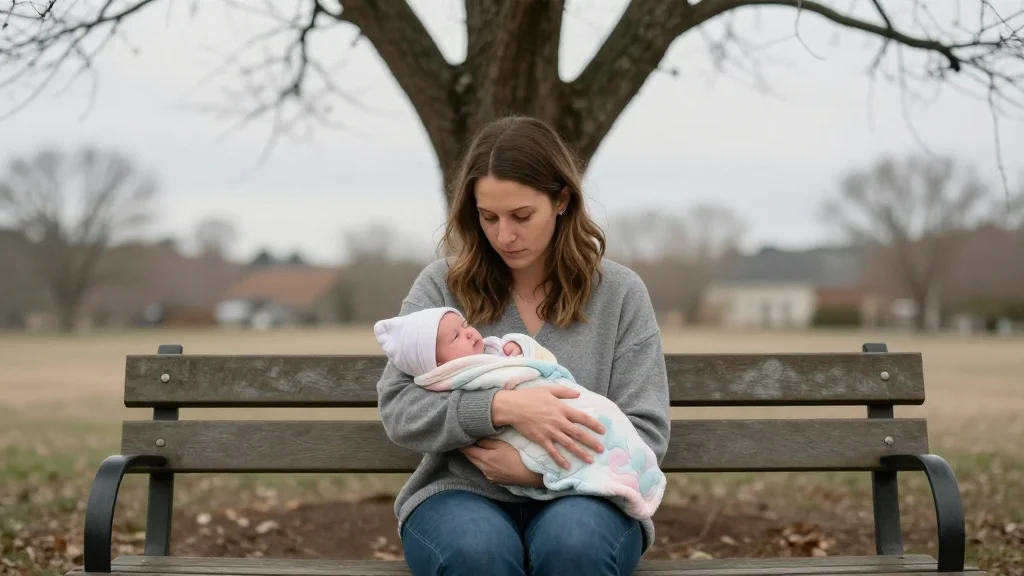
Octave Survey Shows 96% of Struggling New Moms Cite Emotional Isolation

Why It Matters
The Octave survey spotlights a hidden crisis in maternal health: emotional isolation, not just physical recovery, drives postpartum mental‑health struggles. By quantifying the prevalence of isolation, the report equips policymakers, insurers, and providers with data to design interventions that go beyond financial coverage and address the relational dimensions of early motherhood. If unaddressed, the mental‑health strain can lead to chronic depression, reduced workforce participation, and higher health‑care costs. Furthermore, the study challenges the cultural narrative that motherhood is inherently supportive and communal. Recognizing the gap between expectation and reality may shift public discourse, encouraging families, employers, and community groups to build more robust “village” models that sustain new mothers during the critical first year.
Key Takeaways
- •96% of mothers who struggle with mental health cite emotional isolation as the key factor.
- •40% of surveyed mothers say mental‑health impact is the most misunderstood aspect of early motherhood.
- •Only 5% of new mothers describe their mental health as "thriving" in the first year postpartum.
- •Nearly 4 in 10 partnered mothers still report frequent feelings of isolation.
- •Primary barriers to seeking mental‑health support: lack of time (36%), childcare challenges (30%).
Pulse Analysis
Octave’s survey arrives at a pivotal moment when perinatal mental‑health services are expanding but still fragmented. Historically, postpartum care has centered on physical recovery, with mental‑health screening often limited to brief questionnaires. The data that emotional isolation eclipses cost or insurance barriers suggests that future programs must prioritize relational support—peer groups, community doulas, and flexible tele‑therapy options that fit into a mother’s limited schedule.
From a market perspective, the findings open a niche for tech‑enabled platforms that can bridge the “not knowing where to start” gap. Companies that aggregate vetted therapists, offer on‑demand counseling, and integrate community forums could capture a growing demand. At the same time, insurers may see a cost‑saving incentive to fund such services, as early intervention can reduce long‑term psychiatric expenses.
Looking ahead, the survey’s national benchmark will likely become a reference point for longitudinal studies. If subsequent reports show a decline in isolation scores after targeted interventions, it could validate a shift toward holistic postpartum care models. Conversely, stagnant or worsening numbers would pressure legislators to enact more robust family‑leave policies and community‑investment programs. Either outcome will shape the next wave of maternal‑health policy and private‑sector innovation.
Octave Survey Shows 96% of Struggling New Moms Cite Emotional Isolation
Comments
Want to join the conversation?
Loading comments...