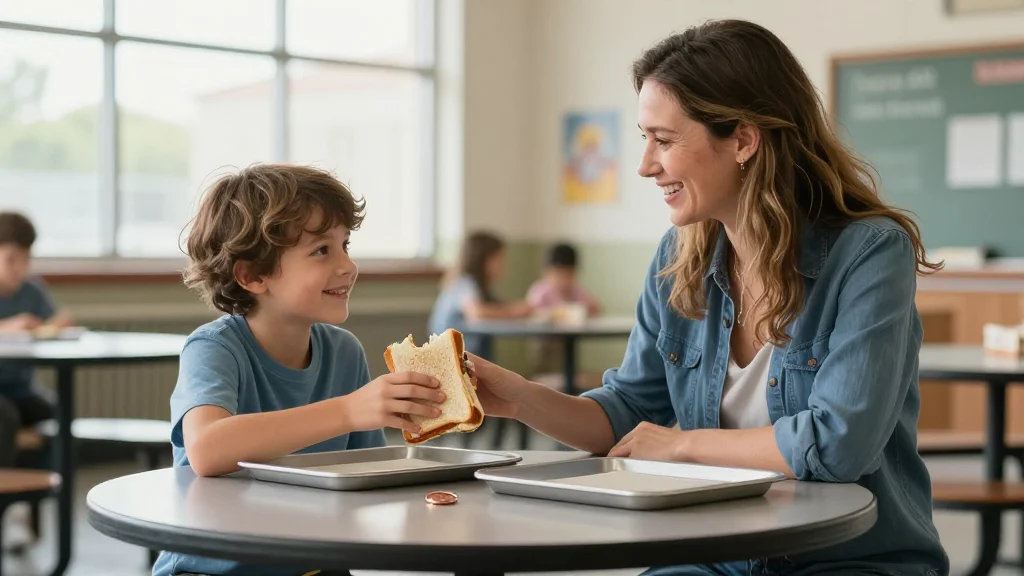
Our Elementary School Lets Parents Eat Lunch with Their Kids. My Youngest Is Off to Middle School, and I'll Miss Those Priceless Moments.
Why It Matters
Parent‑student lunch programs deepen family engagement and emotional health, offering a low‑cost lever for schools to support student well‑being and parental work‑life balance.
Key Takeaways
- •School permits parents to dine with students during lunch
- •Mother used lunches to maintain connection after divorce
- •Scheduling required coordination with work and school logistics
- •Lunches provided emotional support and real‑time check‑ins
- •Program ends as children transition to middle school
Pulse Analysis
Schools that open cafeteria doors to parents create a rare touchpoint for families during the workday. By allowing a parent to sit with a child for a brief lunch, districts tap into the proven benefits of parental involvement—higher student morale, better communication, and a sense of community. The practice is especially valuable for single or divorced parents who may otherwise struggle to find consistent, quality time with their kids. Administrators can replicate this model with simple steps: visitor check‑in, designated seating, and clear communication about scheduling, all without significant budget impact.
Beyond emotional bonding, parent‑student lunches serve as informal data collection for educators. A quick conversation can surface concerns about academics, social dynamics, or mental health that might not surface in formal parent‑teacher conferences. This real‑time insight enables teachers to intervene early, improving outcomes and reducing absenteeism. For employers, the program offers a tangible work‑life balance perk; employees can plan brief visits without taking full days off, potentially boosting retention and job satisfaction.
As children age into middle school, many districts phase out the lunch privilege, citing privacy or logistical challenges. However, the loss of this structured interaction can leave families searching for alternative engagement methods. Schools might consider quarterly family lunch events or virtual check‑ins to preserve the connection. Ultimately, maintaining some form of regular, low‑barrier contact reinforces the school’s role as a community hub, benefiting students, parents, and educators alike.
Our elementary school lets parents eat lunch with their kids. My youngest is off to middle school, and I'll miss those priceless moments.
Comments
Want to join the conversation?
Loading comments...