Why It Matters
The butter‑feeding craze highlights how viral nutrition advice can bypass scientific vetting, potentially endangering vulnerable infants and prompting regulatory scrutiny. It underscores the need for clear, evidence‑based guidance in early childhood feeding practices.
Key Takeaways
- •Influencers promote butter for infants 6‑24 months
- •Claims include better sleep and development
- •Pediatric experts warn of high saturated fat risks
- •No scientific evidence supports butter benefits for babies
- •Social media amplifies unverified nutrition trends
Pulse Analysis
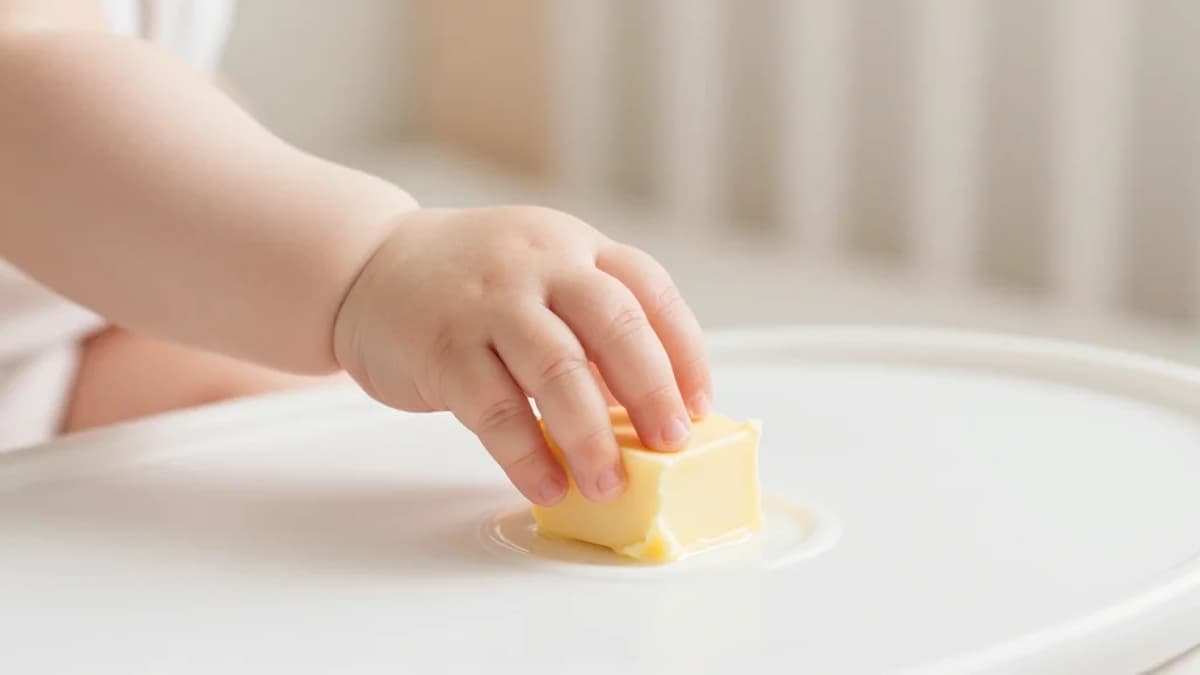
The butter‑feeding phenomenon exploded on platforms like TikTok and Instagram, where parents post short clips of newborns clutching dairy sticks. Proponents argue that the dense caloric profile of butter fuels rapid brain growth and stabilizes sleep cycles, citing personal observations rather than data. This grassroots movement taps into a broader desire for ‘natural’ or ‘traditional’ foods, positioning butter as a wholesome alternative to processed baby formulas. However, the viral nature of these posts often eclipses the lack of rigorous research, allowing a single anecdote to shape feeding decisions for thousands of families.
Medical experts caution that infants’ digestive systems are not equipped to handle the saturated‑fat load found in butter. The American Academy of Pediatrics recommends breast milk, formula, or age‑appropriate solids that provide balanced macronutrients and essential fatty acids without excessive saturated fat. Studies linking high saturated‑fat intake in early life to obesity, cholesterol abnormalities, and altered gut microbiota further weaken the butter argument. Moreover, the absence of controlled trials means any perceived benefits could be coincidental or driven by other variables such as sleep environment or overall diet quality.
The trend raises critical questions about the influence of social media on parental health choices and the role of regulators in curbing misinformation. As the market for infant nutrition products expands, manufacturers may be tempted to capitalize on the butter hype, potentially introducing fortified butter‑based spreads for babies. Policymakers and pediatric societies must therefore prioritize clear communication, leveraging trusted healthcare providers to counter unverified claims. Ultimately, evidence‑based guidance remains the cornerstone of safe infant feeding, ensuring that viral fads do not compromise child health.
Parents Are Feeding Their Babies Sticks of Butter
0
Comments
Want to join the conversation?
Loading comments...