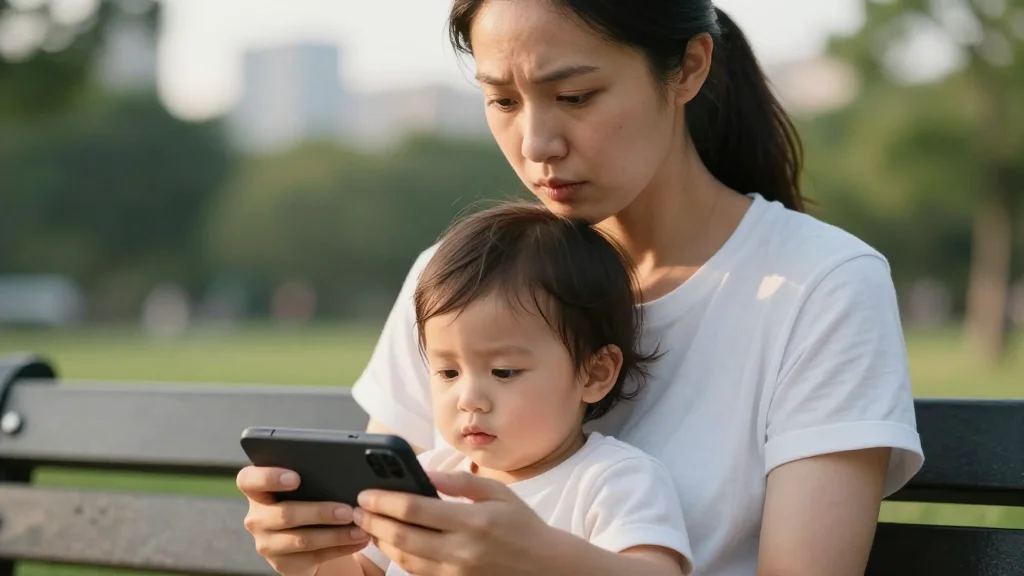
Parents Report Rising Stress as Social Media Fuels Parenting Pressure

Companies Mentioned
Why It Matters
The growing sense of overwhelm among mothers has direct implications for child development, workforce participation and the consumer market. Elevated stress levels correlate with higher rates of postpartum depression, which in turn affect early childhood attachment and long‑term mental health. For employers, the trend translates into increased demand for flexible work policies and parental‑leave benefits, while the baby‑care industry sees a surge in products marketed as solutions to the "perfect parent" ideal. Understanding the drivers behind this stress is essential for policymakers, health professionals and businesses aiming to support families. If the current trajectory continues, the societal cost could be substantial: higher health‑care expenditures, reduced labor‑force productivity and a widening gap in child well‑being across socioeconomic groups. Conversely, interventions that promote realistic parenting narratives and community support could reverse these trends, fostering healthier families and a more resilient future workforce.
Key Takeaways
- •Parents at the Mom 2.0 Summit reported feeling overwhelmed by social‑media comparison.
- •Kristin Gallant and Anushka Salinas highlighted the myth of the "perfect parent" in direct quotes.
- •Reshma Saujani coined the term "bad mother con" to describe cultural pressure on mothers.
- •Psychology Today linked modern parenting stress to a childhood mental‑health epidemic.
- •Experts suggest ancient communal caregiving models could improve resilience and reduce anxiety.
Pulse Analysis
The current wave of parenting anxiety is not merely a cultural anecdote; it reflects a structural shift in how information is consumed and how work expectations intersect with family life. Decades ago, parenting advice traveled through informal networks—school picnics, church gatherings—allowing for a slower, more contextual exchange. Today, algorithms deliver a relentless stream of curated perfection, compressing years of social learning into minutes of scrolling. This acceleration creates a feedback loop where mothers compare themselves to an unattainable standard, driving both emotional distress and market demand for products that promise to close the gap.
From a market perspective, the pressure has birthed a multi‑billion‑dollar industry of parenting apps, premium baby gear and influencer‑driven content. Companies like Nanit are positioning themselves as data‑driven allies, yet their own messaging can reinforce the myth of constant optimization. The emerging counter‑movement—highlighted by the Mom 2.0 Summit’s community‑building initiatives—signals a potential pivot toward authenticity and offline support. If tech platforms respond by de‑prioritizing hyper‑curated feeds, we may see a measurable decline in reported stress levels.
Looking ahead, the intersection of policy, technology and cultural narrative will determine whether the "harder parenting" trend stabilizes or escalates. Legislative actions that extend parental leave and protect flexible scheduling could alleviate the work‑family clash identified by Saujani. Simultaneously, research that quantifies the mental‑health impact of social‑media exposure will inform both corporate responsibility and public‑health strategies. The next year will be critical: the outcomes of pilot community programs and forthcoming AAP‑NIMH reports will either validate the hypothesis that connection reduces stress or underscore the need for deeper systemic change.
Parents Report Rising Stress as Social Media Fuels Parenting Pressure
Comments
Want to join the conversation?
Loading comments...