Pregnant Women Who Do More Of This Have A Lower Risk Of Complications
Why It Matters
The results expand prenatal care guidance beyond formal workouts, offering a low‑cost, easily adoptable strategy to reduce maternal complications and ease the burden on obstetric services.
Key Takeaways
- •Sitting >10 hrs doubles pregnancy complication risk
- •Light activity halves risk compared to low movers
- •Step count correlates with lower adverse outcomes
- •Benefits persist after adjusting for exercise
- •Simple standing breaks improve maternal health
Pulse Analysis
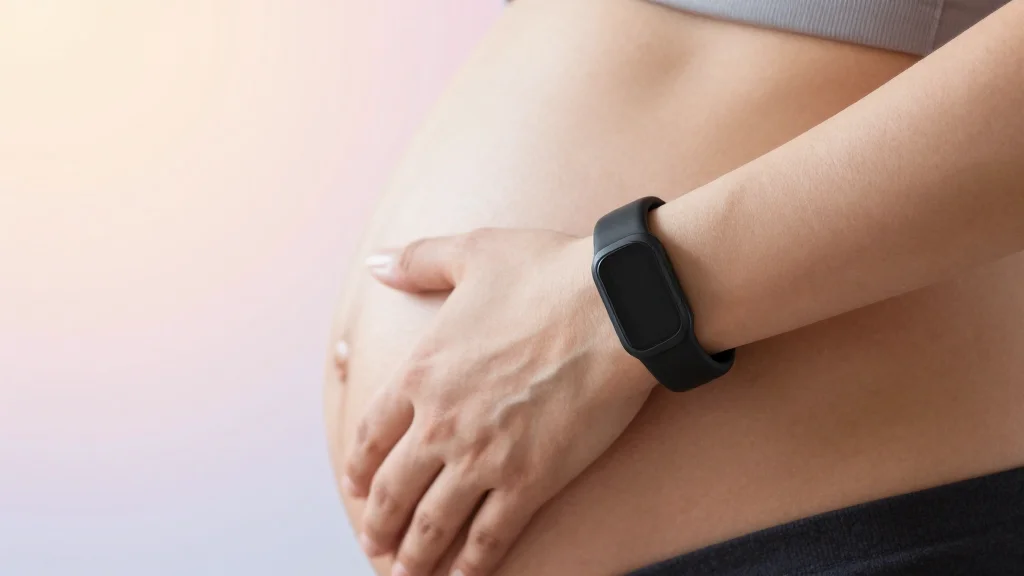
The study’s strength lies in its objective measurement of daily movement through wearable devices, sidestepping the recall bias that plagues many lifestyle investigations. By tracking sitting time, light activity, and step counts across the second and third trimesters, researchers could isolate the impact of everyday motion from structured exercise. Their analysis revealed a clear dose‑response relationship: each incremental reduction in sedentary time translated into a measurable drop in hypertension‑related complications, a leading cause of maternal morbidity. This granular data supports a shift in how clinicians counsel pregnant patients, emphasizing not just weekly exercise quotas but also the cumulative effect of standing, strolling, and household chores.
From a public‑health perspective, the findings are especially compelling because they point to scalable, low‑resource interventions. Encouraging pregnant women to break up prolonged sitting with hourly standing or brief walks can be integrated into prenatal visits, workplace policies, and digital health platforms. Such behavioral nudges could reduce the incidence of preeclampsia and gestational diabetes, easing strain on healthcare systems and lowering costs associated with high‑risk pregnancies. Moreover, the study aligns with broader campaigns against sedentary lifestyles, reinforcing that modest, consistent movement yields outsized health dividends.
Looking ahead, the research opens avenues for personalized mobility recommendations that factor in baseline activity levels, occupational demands, and trimester‑specific comfort. Future trials might explore whether targeted wearable alerts or community‑based walking groups further amplify benefits. For women, adopting a mindset that values micro‑movements alongside traditional workouts can foster lifelong habits that extend beyond pregnancy, supporting cardiovascular health well into perimenopause and beyond.
Pregnant Women Who Do More Of This Have A Lower Risk Of Complications
Comments
Want to join the conversation?
Loading comments...