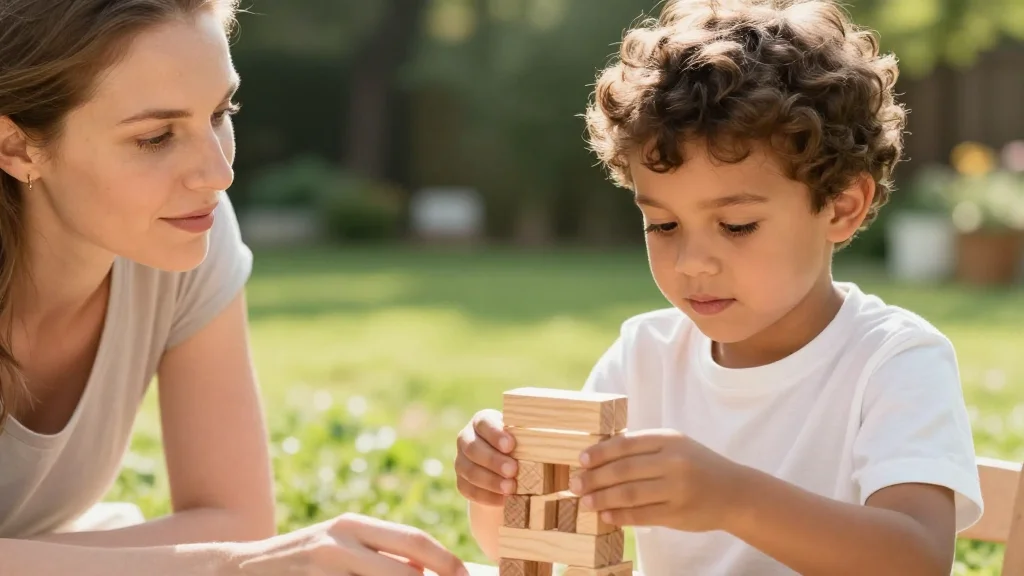
Rise of 'Beta Mums' And 'Underparenting' Marks 2026 Shift Away From Helicopter Parenting

Why It Matters
The rise of Beta mums and underparenting signals a fundamental re‑evaluation of how parental involvement shapes child development. By prioritizing autonomy over micromanagement, families may reduce burnout rates and foster healthier emotional regulation in children, addressing a public‑health concern that has grown alongside pandemic‑induced stress. Moreover, the shift challenges long‑standing market assumptions about the demand for highly structured, activity‑laden parenting products, prompting businesses to rethink product design and messaging. If the trend gains traction, it could reshape educational policies, mental‑health services, and workplace family‑leave practices, as societies adapt to a parenting model that values flexibility and resilience over constant supervision.
Key Takeaways
- •"Beta mums" and "underparenting" identified as 2026 anti‑helicopter parenting terms
- •81% of surveyed UK mothers reported experiencing parental burnout
- •Studies link over‑controlling parenting to poorer emotional regulation by age five
- •Consumer brands are launching products that encourage open‑ended play and reduced scheduling
- •Longitudinal research planned to assess long‑term outcomes of underparenting
Pulse Analysis
The anti‑helicopter wave reflects a backlash against the hyper‑competitive parenting model that dominated the early 2020s. Historically, periods of economic uncertainty—such as the 2008 recession—prompted parents to adopt more protective, achievement‑focused strategies. In contrast, the post‑pandemic era has exposed the psychological costs of relentless oversight, creating fertile ground for counter‑cultural movements like Beta mums.
From a market perspective, the shift threatens the lucrative "kids' enrichment" sector, which has seen annual growth rates of 7% over the past five years. Companies that fail to adapt may see declining sales as parents opt for minimalist toys and fewer paid activities. Conversely, firms that pivot toward products that facilitate independent play—such as modular building blocks or nature‑based kits—stand to capture a growing segment of conscientious consumers.
Looking forward, the durability of the Beta mum and underparenting narrative will hinge on empirical validation. If longitudinal studies confirm that reduced parental control yields measurable gains in emotional health and academic resilience, the model could become the new normative standard, reshaping everything from early‑childhood curricula to corporate family‑friendly policies. For now, the conversation is still nascent, but the early signals suggest a lasting cultural recalibration of what effective parenting looks like in the mid‑2020s.
Rise of 'Beta Mums' and 'Underparenting' Marks 2026 Shift Away From Helicopter Parenting
Comments
Want to join the conversation?
Loading comments...