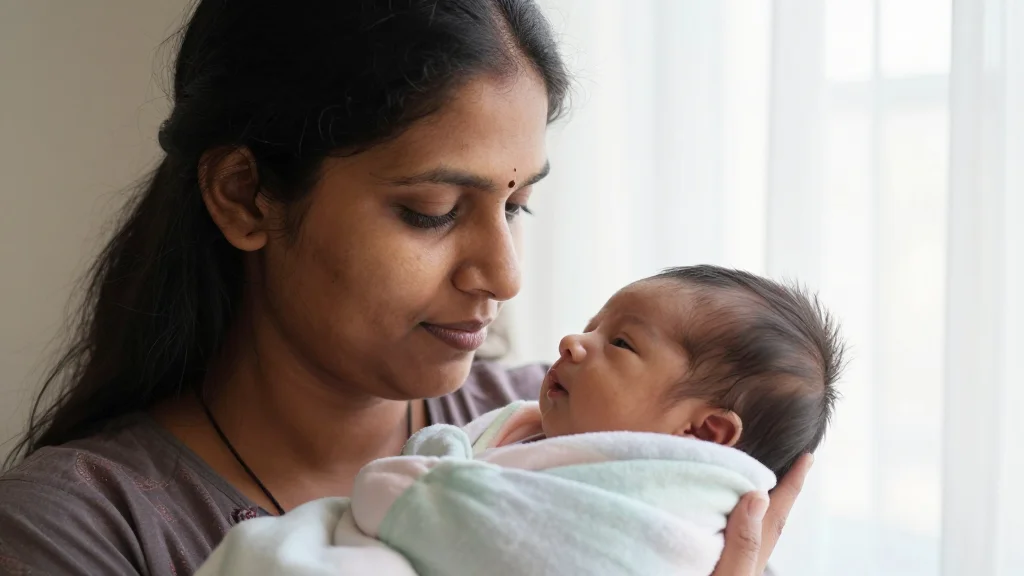
Sleep Deprivation and Burnout Threaten Health of Indian Mothers, Experts Warn

Why It Matters
The emerging evidence that sleep deprivation and emotional burnout are endemic among Indian mothers has implications far beyond individual health. Chronic fatigue undermines hormonal balance, immunity and cardiovascular health, increasing the burden on an already stretched public‑health system. Economically, the “Triad of Work” contributes to declining female labor‑force participation, limiting productivity and growth in a country that relies on women’s earnings for household stability. Addressing these issues could improve maternal health outcomes, reduce long‑term medical costs, and unlock a larger, healthier workforce. Moreover, the crisis highlights a gap in post‑natal care policy worldwide. While many nations focus on safe delivery and infant health, the mother’s recovery—particularly sleep and mental health—remains under‑served. By foregrounding maternal sleep as a public‑health priority, policymakers can set a precedent for more holistic family health strategies that benefit both parents and children.
Key Takeaways
- •Institutional deliveries in India now exceed 97% of births, yet post‑natal fatigue is rising.
- •Dr. Alka Chaudhary warns prolonged sleep loss can cause hormonal, metabolic and cardiovascular issues.
- •Indian women spend ~5 hours daily on unpaid domestic work versus 97 minutes by men.
- •Mental load falls on mothers by >70% in dual‑income households, according to IIM‑Ahmedabad.
- •Experts call for shared paternal duties, flexible work policies and sleep‑focused post‑natal care.
Pulse Analysis
The convergence of clinical warnings and socioeconomic data signals a structural failure in how Indian society supports mothers after childbirth. Historically, public‑health initiatives have celebrated the rise in institutional deliveries as a triumph, yet they have largely ignored the invisible labor that follows. This oversight mirrors a global pattern where maternal health metrics focus on mortality and infant outcomes, sidelining the mother’s long‑term well‑being.
From a market perspective, the emerging awareness creates opportunities for a new class of health‑tech and wellness solutions aimed at maternal sleep. Wearable sleep trackers, tele‑medicine counseling, and corporate wellness platforms can monetize a growing demand for evidence‑based interventions. Simultaneously, employers that adopt outcome‑based flex‑agility may gain a competitive edge in talent acquisition, especially as younger, highly educated women prioritize work‑life integration.
Looking ahead, the policy response will be the litmus test. If the Indian government incorporates sleep health into its post‑natal care guidelines and incentivizes paternal leave, the country could set a benchmark for other emerging economies. Conversely, failure to act may exacerbate gender disparities, increase healthcare expenditures, and erode the gains made in maternal mortality reduction. The stakes are high, and the next year will likely determine whether sleep deprivation remains a silent crisis or becomes a catalyst for systemic reform.
Sleep Deprivation and Burnout Threaten Health of Indian Mothers, Experts Warn
Comments
Want to join the conversation?
Loading comments...