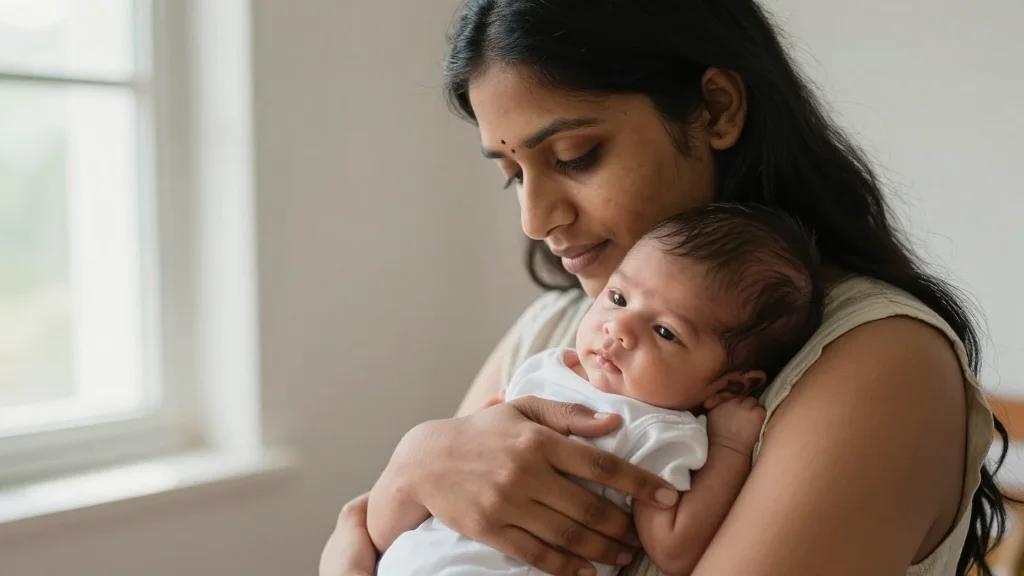
Sonam Kapoor Opens Up About Breastfeeding Struggles and Modern Motherhood

Why It Matters
Kapoor’s openness shines a spotlight on the tension between commercial baby‑care markets and traditional caregiving practices in India. By questioning the reliance on silicone soothing tools, she challenges a multi‑billion‑dollar industry that profits from separating infants from natural feeding cues. The discussion also underscores the need for systemic support—such as extended maternity leave and workplace lactation rooms—to enable mothers to follow instinctual caregiving without economic penalty. Beyond the immediate consumer impact, the actress’s remarks may influence public policy and health‑education curricula. If policymakers respond to the heightened awareness, India could see stronger breastfeeding promotion programs, aligning with World Health Organization targets for exclusive breastfeeding during the first six months of life. Such shifts would have long‑term health benefits for children and could reduce healthcare costs associated with formula‑related illnesses.
Key Takeaways
- •Sonam Kapoor posted an Instagram Story on May 6, 2026 discussing breastfeeding challenges
- •Second son born March 29, 2026, expanding family to four
- •Quote: “If this triggers you, ask yourself why a baby needing their mother is a problem for you,” – Sonam Kapoor
- •Kapoor criticized the cultural norm of using silicone pacifiers over maternal soothing
- •Potential ripple effect on baby‑product marketing and breastfeeding policy in India
Pulse Analysis
Sonam Kapoor’s Instagram confession arrives at a crossroads where celebrity influence meets public‑health advocacy. Historically, Indian media has celebrated motherhood as a seamless, idealized journey, often sidelining the gritty realities of postpartum recovery and lactation. Kapoor’s decision to break that script aligns with a global trend of high‑profile figures—such as Chrissy Teigen and Beyoncé—using personal platforms to normalize the messier aspects of parenting. This shift can erode the stigma that once kept many mothers silent, encouraging open dialogue that may translate into consumer demand for more mother‑centric products.
From a market perspective, the infant‑care sector in India is projected to exceed $5 billion by 2028, driven largely by urban middle‑class growth. A high‑visibility critique of silicone pacifiers could prompt manufacturers to diversify portfolios, emphasizing ergonomic designs that facilitate skin‑to‑skin contact rather than substituting it. Companies that quickly adapt—by highlighting breast‑feeding‑friendly features or partnering with maternal‑health NGOs—stand to capture a more discerning segment of parents who value authenticity over convenience.
Looking ahead, the durability of this conversation will hinge on whether Kapoor leverages her platform beyond a single post. A sustained campaign, perhaps in collaboration with the Ministry of Health or NGOs like the Lactation Management Institute, could embed her message into policy frameworks and educational curricula. If such momentum builds, the ripple effect may extend beyond product shelves to reshape workplace norms, encouraging employers to adopt more robust lactation support. In that scenario, Kapoor’s candid Instagram story would be remembered not just as a personal vent, but as a catalyst for systemic change in Indian motherhood culture.
Sonam Kapoor Opens Up About Breastfeeding Struggles and Modern Motherhood
Comments
Want to join the conversation?
Loading comments...