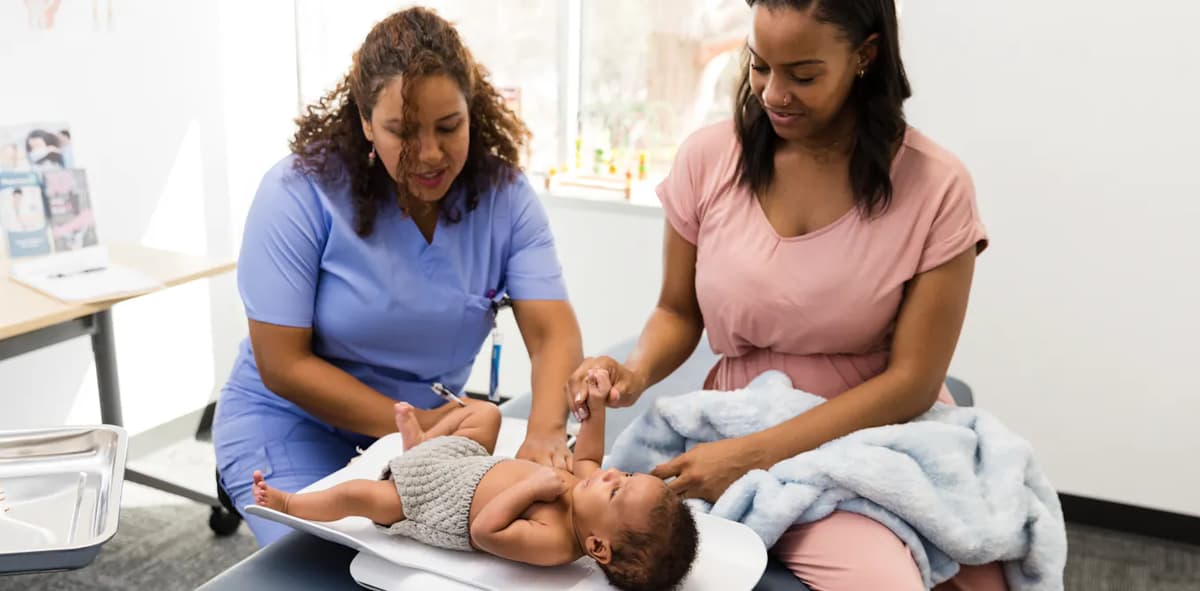
Stressing About Your Baby’s Growth Check? Here’s What You Need to Know
Why It Matters
Early detection of abnormal growth patterns enables timely interventions, reducing risk of malnutrition or obesity and easing parental anxiety, while the structured check‑up system supports efficient use of public health resources.
Key Takeaways
- •Growth checks scheduled at 2w, 4w, 8w, 4m, 8m, 12m, 18m, 2y, 3.5y
- •Nurses plot weight, length, head circumference on WHO growth charts
- •Percentile shifts alone aren’t concerning; trends over time matter
- •Significant percentile drops trigger referrals to GPs, paediatricians, or therapists
- •Free 24/7 nurse helplines available in Australia and New Zealand
Pulse Analysis
Routine growth monitoring is a cornerstone of Australia and New Zealand’s public child‑health strategy. Appointments are timed to capture rapid developmental phases—typically at two weeks, four weeks, eight weeks, four months, eight months, twelve months, eighteen months, two years, and three and a half years. During each visit, a maternal‑child health nurse records weight, length or height, and head circumference, then plots these metrics on World Health Organization‑derived growth charts. This systematic data collection creates a longitudinal health record that clinicians can reference to assess whether a child is following an expected growth trajectory.
Understanding growth charts requires nuance. Percentile lines simply position a child against a reference population; a reading at the 25th percentile means 75 % of peers weigh more, not that the child is unhealthy. Because genetics, ethnicity, birth weight and gestational age heavily influence growth, clinicians focus on patterns rather than isolated points. Small fluctuations are normal as infants grow in spurts, but consistent crossing of multiple percentile lines—upward or downward—may signal feeding difficulties, dehydration, or underlying health issues, prompting further assessment or specialist referral.
The broader health ecosystem supports families beyond clinic walls. Both countries offer free, round‑the‑clock nurse helplines—Australia’s 1800 882 436 service and New Zealand’s Plunketline—providing immediate advice on feeding, sleep, and growth concerns. By offering accessible expertise, these services reduce unnecessary emergency visits and empower parents with evidence‑based guidance. Early identification and intervention not only safeguard individual child outcomes but also alleviate long‑term public‑health costs associated with childhood obesity and developmental delays, reinforcing the value of preventive care in modern health systems.
Stressing about your baby’s growth check? Here’s what you need to know
Comments
Want to join the conversation?
Loading comments...