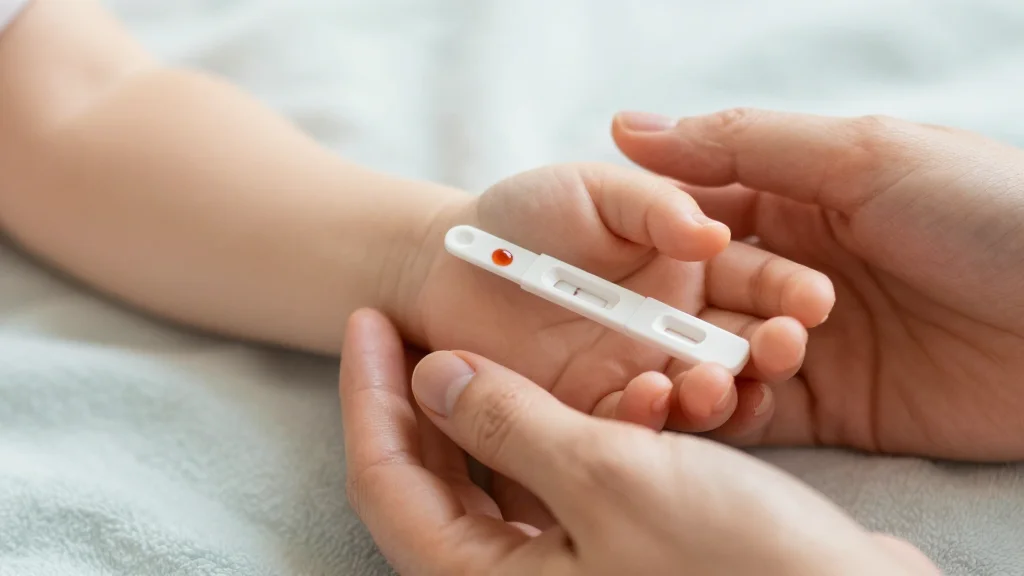
Study Calls for Universal Type 1 Diabetes Screening in Children

Why It Matters
Universal screening for type 1 diabetes could transform how families detect and manage the disease, potentially preventing life‑threatening complications in children. Early identification also opens the door to clinical trials of preventive therapies, which could change the disease’s natural history. Beyond individual health, the policy shift would influence insurance coverage decisions, laboratory capacity, and public‑health budgeting. For mothers and other caregivers, the recommendation adds a new layer of vigilance but also offers the promise of earlier reassurance or intervention, reshaping the parental experience of pediatric care.
Key Takeaways
- •New study recommends universal screening for type 1 diabetes autoantibodies in children.
- •Early detection could increase pre‑symptomatic case identification by a significant margin.
- •Proposed single blood test at age 2‑3, followed by confirmatory testing if positive.
- •Critics cite cost‑effectiveness and implementation challenges for nationwide rollout.
- •Policy makers expected to review findings; pilot programs may launch within the year.
Pulse Analysis
The push for universal type 1 diabetes screening reflects a broader trend toward preventive pediatric care, where early biomarkers are leveraged to forestall disease. Historically, screening programs—such as newborn hearing tests—have been adopted after clear evidence of benefit and manageable costs. This study adds to a growing body of data suggesting that autoantibody testing can predict disease years before clinical onset, but the transition from targeted to universal testing is a leap that will test health‑system capacity.
From a market perspective, laboratories that specialize in immunoassays stand to gain a substantial new revenue stream, while insurers will need to balance short‑term expenditures against long‑term savings from avoided emergency care. The debate mirrors earlier discussions around universal cholesterol screening in children, where initial resistance gave way to acceptance as evidence mounted and testing costs fell.
Looking ahead, the success of any universal program will hinge on clear clinical guidelines, robust data on cost‑effectiveness, and education campaigns that empower parents without causing alarm. If pilot studies demonstrate that early detection leads to actionable interventions—such as enrollment in immunotherapy trials—the policy argument will strengthen. Conversely, if false‑positive rates prove high, the backlash could stall adoption. For mothers, the key will be whether the added test translates into tangible health security for their children or simply adds another checkbox to well‑child visits.
Study Calls for Universal Type 1 Diabetes Screening in Children
Comments
Want to join the conversation?
Loading comments...