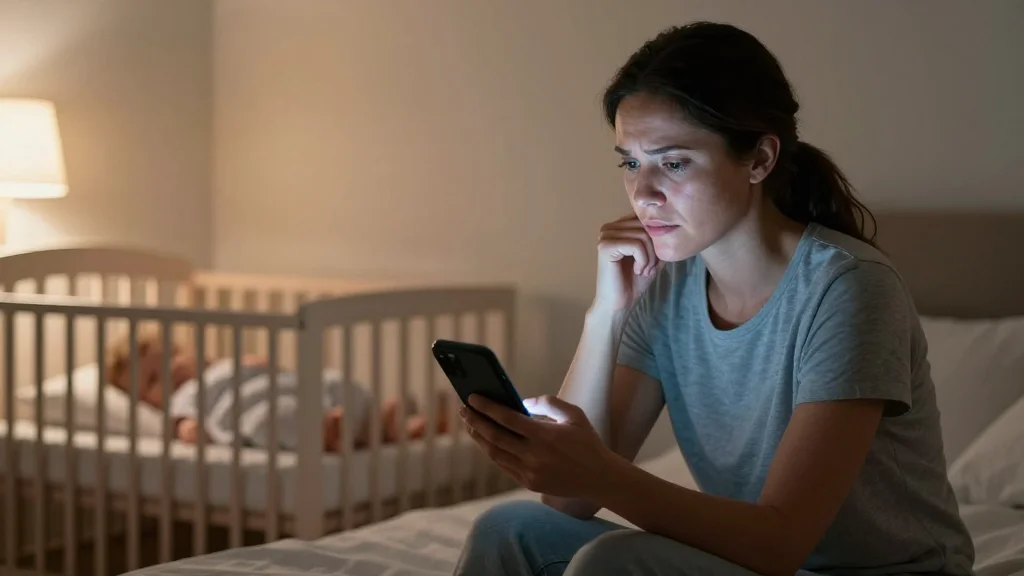
Study Finds Late‑Night Parenting Reels Boost Anxiety in UK Mothers

Companies Mentioned
Why It Matters
The link between late‑night parenting reels and heightened anxiety spotlights a growing mental‑health risk for millions of parents navigating digital advice. As social‑media platforms become primary sources of parenting information, unchecked exposure can exacerbate stress, potentially affecting family dynamics and child outcomes. Policymakers and platform designers now face pressure to embed safeguards that protect vulnerable users without stifling community support. Moreover, the study adds empirical weight to calls for more authentic representation of parenthood online. By quantifying the psychological cost of curated content, it provides a data‑driven foundation for advocacy groups pushing for algorithmic transparency and mental‑health resources tailored to parents.
Key Takeaways
- •Sheffield Hallam University surveyed 210 UK mothers on nightly parenting‑reel consumption.
- •Mothers who watched more than ten reels after bedtime reported anxiety scores 15% higher.
- •84% of mothers in a Peanut app survey want more truthful online depictions of parenting.
- •U.S. Surgeon General 2024 report flagged parental stress as an epidemic linked to social media.
- •Researchers recommend evening device limits and mental‑health resources for parents.
Pulse Analysis
The study arrives at a moment when short‑form video dominates the parenting advice market. Platforms have monetised the niche by promoting algorithmic feeds that reward high‑engagement content—often the most emotionally charged clips. This creates a feedback loop: anxious parents seek reassurance, the platform serves more intense reels, and anxiety deepens. Historically, parenting advice migrated from print magazines to televised talk shows; the digital shift compresses that journey into seconds, stripping nuance and amplifying pressure.
From a competitive standpoint, the findings could spur a new wave of wellness‑focused parenting apps that differentiate themselves by curating low‑stress content or integrating therapist‑led modules. Brands that ignore the mental‑health dimension risk backlash as users become more health‑conscious. Conversely, platforms that proactively embed well‑being tools may capture a loyal segment of parents seeking safe spaces online.
Looking ahead, the research suggests that regulatory scrutiny may intensify. If further studies corroborate these anxiety links, legislators could consider mandating mental‑health disclosures for parenting content, similar to recent moves in the gambling and alcohol sectors. For parents, the immediate takeaway is clear: digital detoxes are not just lifestyle choices but potential mental‑health interventions. The industry’s response will determine whether social media remains a source of support or becomes a catalyst for parental burnout.
Study Finds Late‑Night Parenting Reels Boost Anxiety in UK Mothers
Comments
Want to join the conversation?
Loading comments...