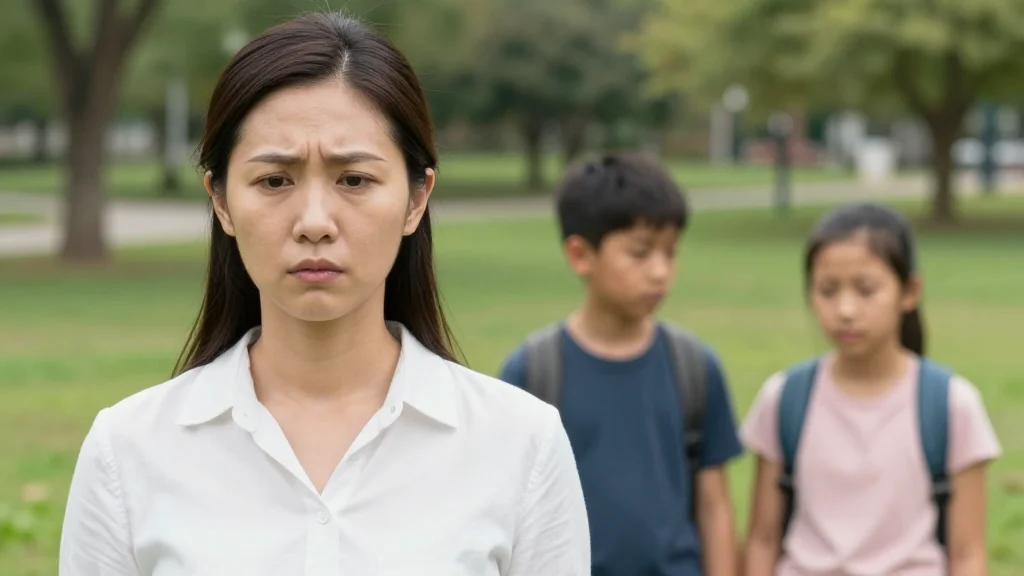
Study Finds Moms Act as ‘Relationship Hitmen,’ Prompting 25% Friendship Breakups

Why It Matters
Understanding the mechanisms by which mothers influence their children’s friendships offers a new lens on family dynamics and adolescent development. If parental disapproval can silently erode peer bonds, it raises concerns about unintended social isolation and the potential for children to miss out on valuable social learning experiences. The study also provides empirical backing for parenting guidance that balances protective oversight with fostering independent decision‑making, a tension that has long shaped debates in child psychology. For the broader motherhood space, the research underscores the need for nuanced resources that help mothers recognize the weight of their subtle signals. Parenting platforms, mental‑health professionals, and school systems may incorporate these insights into curricula and counseling, promoting transparent communication strategies that protect children without inadvertently sabotaging their social networks.
Key Takeaways
- •Study tracked ~400 Lithuanian students aged 9‑14 over two school years.
- •Approximately 25% of best‑friendships ended when children sensed maternal disapproval.
- •Senior author Brett Laursen called mothers "very effective relationship ‘hitmen.’"
- •Researchers caution that removing a friend can increase vulnerability to bullying.
- •Future research will test the effect across multiple countries and cultures.
Pulse Analysis
The revelation that mothers act as covert social gatekeepers reshapes how we think about parental influence. Historically, parenting advice has oscillated between hands‑off autonomy and vigilant oversight. This study provides concrete data that even low‑intensity signals—like a casual comment—can have measurable outcomes on peer stability. In the context of rising concerns about adolescent mental health, the findings suggest that well‑intentioned parental protection may inadvertently contribute to social isolation, a known risk factor for anxiety and depression.
From a market perspective, the research opens opportunities for parenting apps, counseling services, and educational programs to develop tools that help mothers articulate concerns without triggering the ‘hitman’ effect. Interactive modules that simulate conversation scenarios could teach parents how to discuss peer choices openly, preserving the child’s agency while still providing guidance. Companies that specialize in family‑focused mental‑health platforms may see a surge in demand for evidence‑based content that addresses this subtle dynamic.
Looking ahead, the cross‑cultural expansion of the study will be pivotal. If the phenomenon holds in societies with less collectivist family structures, it could signal a universal aspect of parental influence, prompting a reevaluation of global parenting curricula. Conversely, divergent results would highlight cultural moderators, offering a richer understanding of how family norms intersect with adolescent social development. Either outcome will inform policymakers, educators, and product developers seeking to foster resilient, well‑connected youth.
In sum, the "relationship hitmen" label is more than a catchy phrase—it spotlights a measurable, actionable lever within the family unit. By translating these insights into practical guidance, the motherhood ecosystem can better support children’s social health while respecting the nuanced role mothers already play.
Study Finds Moms Act as ‘Relationship Hitmen,’ Prompting 25% Friendship Breakups
Comments
Want to join the conversation?
Loading comments...