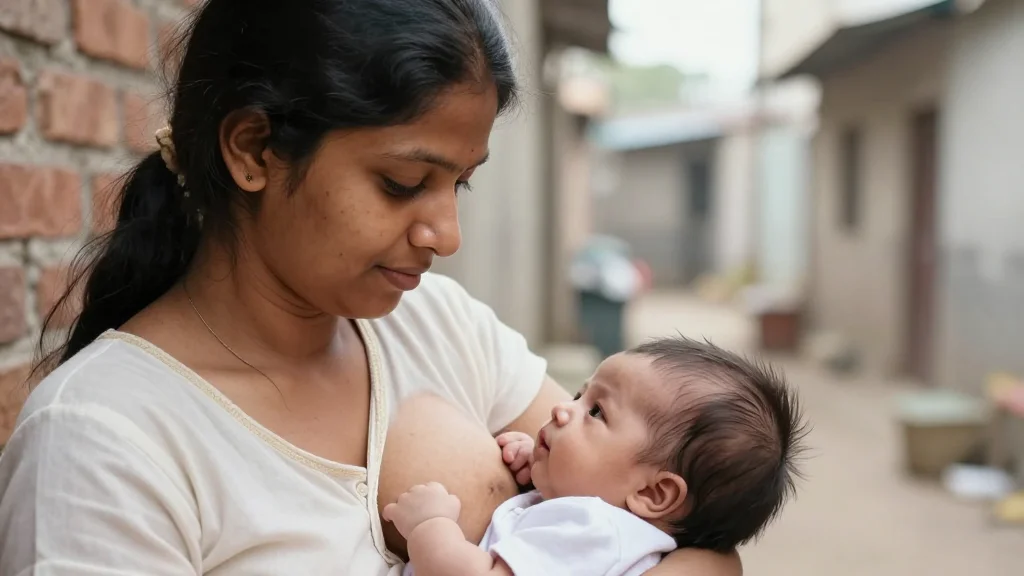
Study Shows Exclusive Breastfeeding Rates Lag Behind in India's Urban Slums

Why It Matters
Exclusive breastfeeding is linked to lower infant mortality, reduced risk of infections, and better cognitive development. The study’s revelation of a persistent gap in urban slums signals that millions of children may be missing these benefits, reinforcing the need for targeted public‑health strategies. Moreover, the findings highlight how socioeconomic inequities intersect with maternal knowledge, shaping health outcomes across generations. Addressing the shortfall could also alleviate pressure on India's overstretched healthcare system by preventing nutrition‑related illnesses. By improving breastfeeding rates, the country can make progress toward its Sustainable Development Goal commitments on child health and gender equity.
Key Takeaways
- •New study (April 10, 2026) finds exclusive breastfeeding rates lower in Indian urban slums.
- •Limited access to lactation counseling and early return to work identified as key barriers.
- •Health officials propose expanding ASHA outreach and mobile lactation clinics.
- •NGOs suggest cash‑transfer incentives tied to health check‑ups to encourage exclusive breastfeeding.
- •Follow‑up research slated for later 2026 to evaluate pilot interventions in Delhi and Mumbai.
Pulse Analysis
The study arrives at a moment when India is grappling with rapid urbanization and widening health inequities. Historically, national campaigns have boosted overall breastfeeding rates, but the data now reveal a blind spot: the dense, informal settlements that house a growing share of the urban poor. This suggests that blanket policies are insufficient; interventions must be granular, leveraging community health workers who understand the lived realities of slum residents.
From a policy perspective, the findings could reshape budget priorities within the Ministry of Health. Allocating resources to mobile lactation services and integrating breastfeeding education into skill‑development programs for informal workers would address both supply‑side (service availability) and demand‑side (maternal knowledge) constraints. If successful, such measures could generate a multiplier effect—improving child health while empowering women through better health literacy.
Looking ahead, the upcoming National Nutrition Mission review will likely serve as a litmus test for how quickly the government can translate research into action. The study’s call for data‑driven pilots signals a shift toward evidence‑based scaling, which could set a precedent for other low‑ and middle‑income nations facing similar urban health challenges.
Study Shows Exclusive Breastfeeding Rates Lag Behind in India's Urban Slums
Comments
Want to join the conversation?
Loading comments...