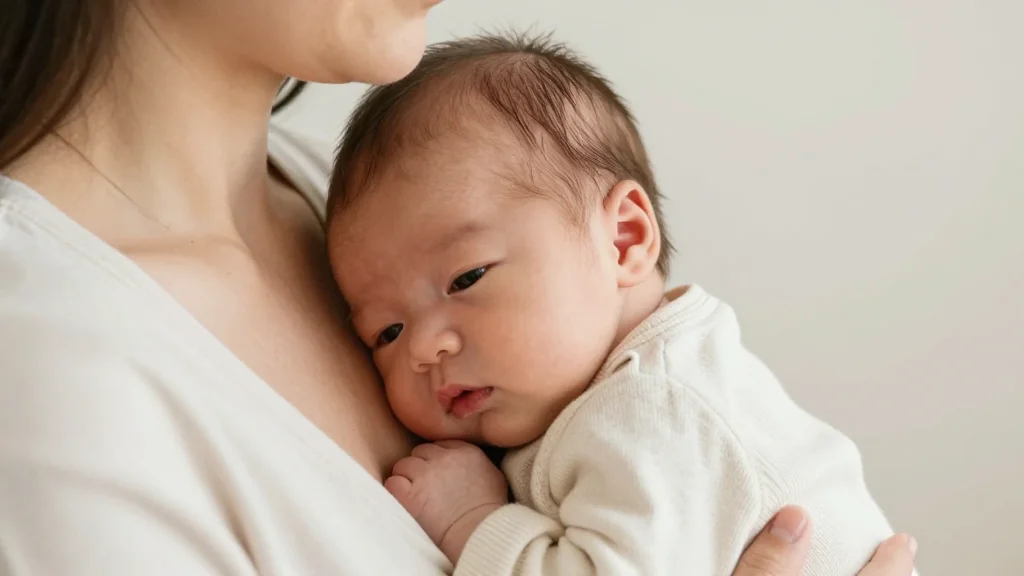
Taiwan Premier Unveils ‘0‑to‑18 Full Support’ Family Scheme

Why It Matters
The proposed “0‑to‑18 full support” scheme directly addresses the financial and logistical pressures that deter many Taiwanese couples from having more children. By extending parental leave, offering tax incentives and bolstering childcare subsidies, the policy could lower the effective cost of raising a child and promote a more gender‑balanced division of caregiving responsibilities. Demographically, reversing the birth‑rate decline is critical for sustaining Taiwan’s labor force, supporting long‑term economic growth, and easing future pressures on elder‑care systems. Beyond Taiwan, the initiative adds to a regional trend where governments are experimenting with comprehensive family‑support models to counteract aging populations. If successful, the scheme may serve as a template for neighboring economies, highlighting the importance of integrating fiscal measures with workplace reforms to create a truly family‑friendly environment.
Key Takeaways
- •Premier Cho Jung‑tai unveiled a “0‑to‑18 full support” family policy covering childbirth, child‑rearing and education.
- •Parental leave eligibility would be extended to children up to six years old, up from the current three‑year limit.
- •The plan includes housing‑tax incentives, expanded childcare subsidies and a review of marriage, maternity and paternity leave rules.
- •Taiwan’s GDP grew 8.68% in the previous year, and the minimum wage is projected to exceed NT$30,000 next year.
- •The proposal will be reviewed by the Cabinet next week before an official announcement.
Pulse Analysis
Taiwan’s demographic challenge mirrors that of Japan, South Korea and Singapore, where low fertility rates threaten economic vitality. The “0‑to‑18 full support” plan distinguishes itself by coupling cash‑flow relief with structural labor‑market reforms, a blend that could prove more sustainable than pure subsidy models. Extending parental leave to six years acknowledges the reality that many families need flexible caregiving options well beyond the infant stage, potentially encouraging fathers to take a larger share of early child‑rearing duties and narrowing the gender gap in labor participation.
Fiscal prudence will be the plan’s litmus test. While the government cites strong GDP growth and a looming minimum‑wage hike as evidence of fiscal capacity, the exact budgetary outlay remains opaque. If the subsidies are modest relative to the overall budget, the policy may face criticism for being more symbolic than transformative. Conversely, a well‑funded rollout could stimulate demand for childcare services, boost construction of family‑friendly housing and create a ripple effect across related industries, reinforcing Taiwan’s broader economic agenda of digital and green transformation.
Politically, the timing of the announcement—coinciding with President Lai’s second anniversary—signals a strategic move to cement the ruling party’s legacy on social policy. The opposition KMT’s parallel proposal forces a policy competition that could accelerate implementation but also risk fragmenting resources if both packages are pursued simultaneously. The ultimate success of the scheme will hinge on its ability to deliver tangible benefits to families quickly, thereby restoring confidence in the government’s commitment to nurturing the next generation.
Taiwan Premier Unveils ‘0‑to‑18 Full Support’ Family Scheme
Comments
Want to join the conversation?
Loading comments...