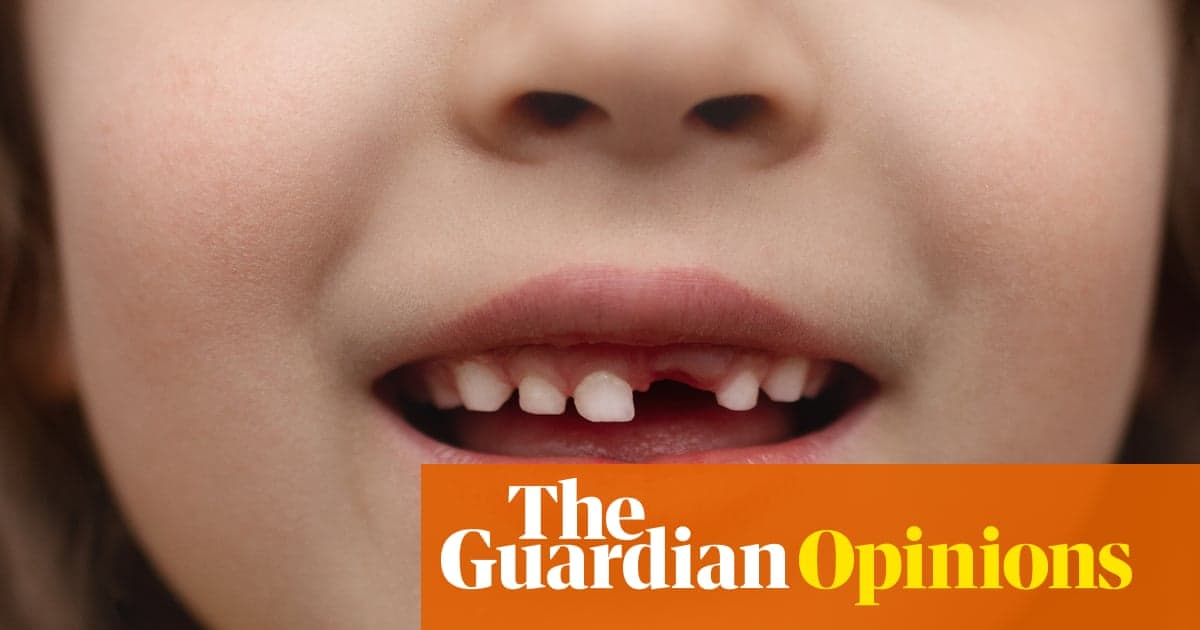
The Tooth Fairy Is Ridiculous but Kids Need Rituals. I Know I Do | Anthony N Castle
Why It Matters
The ritual highlights how simple cultural practices can support emotional growth and resilience in early childhood, informing parenting strategies and early‑development policies.
Key Takeaways
- •Tooth‑fairy rituals help children navigate loss and growth
- •Imaginary play correlates with stronger social‑emotional skills
- •Worldwide customs replace the fairy with mice, birds, or saints
- •Critics claim the practice may encourage lying in kids
- •Parents now use cashless, glitter‑filled versions of the ritual
Pulse Analysis
The tooth‑fairy tradition, though often dismissed as a quirky superstition, taps into a universal human need to mark transitional moments. Anthropologists trace similar rites back centuries, from the mouse of France and Spain to the bird‑collectors of the Middle East, underscoring a cross‑cultural impulse to give fallen teeth symbolic value. By turning a biological milestone into a playful exchange, families create a narrative that frames loss as celebration rather than grief, reinforcing a child’s sense of continuity.
Psychologists emphasize that imaginative rituals like the tooth fairy bolster emotional regulation and social competence. Research shows children who engage in pretend play develop stronger theory‑of‑mind abilities and are better equipped to handle anxiety. While some argue the practice teaches dishonesty, studies suggest that the temporary suspension of literal truth, when framed as fantasy, actually nurtures creativity and problem‑solving without eroding trust, especially when parents later reveal the story’s symbolic intent.
Modern parents are reshaping the ritual for a cashless era, swapping coins for glitter notes, digital messages, or small tokens. This evolution reflects broader shifts in how families negotiate tradition amid economic pressures and digital immersion. By preserving the core purpose—celebrating growth—while adapting the mechanics, the tooth‑fairy rite remains a low‑cost, high‑impact tool for fostering resilience, making it a relevant consideration for educators, pediatricians, and policymakers focused on early childhood wellbeing.
The tooth fairy is ridiculous but kids need rituals. I know I do | Anthony N Castle
Comments
Want to join the conversation?
Loading comments...