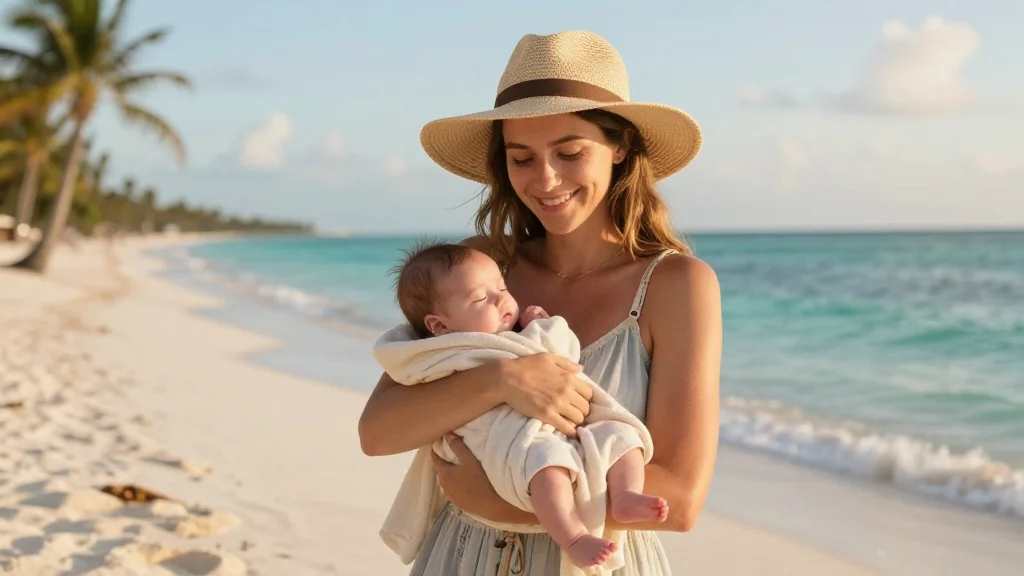
Travel Creator Kali Alexandria Champions ‘Postpartum Vacation Theory’ After Mexico Trip

Why It Matters
The postpartum period is a critical window for maternal mental health, yet many new mothers feel constrained by conventional advice to stay home. By highlighting a real‑world example of a mother who successfully traveled with an infant, the story challenges entrenched norms and opens a dialogue about alternative recovery pathways. If the “postpartum vacation theory” proves beneficial, it could expand the toolkit that clinicians offer to mitigate postpartum depression and anxiety, ultimately improving outcomes for families. Beyond individual health, the concept could reshape the travel industry’s approach to families with newborns. Airlines, hotels, and tour operators may develop more infant‑friendly policies, creating a niche market that supports early‑parent travel while ensuring safety and convenience. This could have ripple effects on tourism revenue and on how societies view parenting responsibilities in the modern era.
Key Takeaways
- •Kali Alexandria, 28, traveled to Mexico with her 3‑month‑old son Beckett in January.
- •She coined the term “postpartum vacation theory” to describe early travel as a recovery tool.
- •Alexandria reported feeling “super confident” and described the trip as a “reset.”
- •She emphasized preparation, noting they packed “everything but the kitchen sink.”
- •The story has sparked debate among postpartum experts about balancing mental‑health benefits with travel safety.
Pulse Analysis
The emergence of the “postpartum vacation theory” reflects a broader cultural shift toward individualized recovery strategies. Historically, postpartum care has been dominated by the “rest at home” model, rooted in early 20th‑century medical advice. Today, digital influencers like Alexandria can rapidly disseminate alternative narratives, leveraging personal experience to challenge the status quo. This democratization of health advice can empower mothers, but it also raises questions about the role of evidence‑based guidance.
From a market perspective, the theory could catalyze a new segment within family travel. Companies that already cater to families—such as baby‑friendly airlines and resort chains—may double down on services like on‑site childcare, flexible booking, and health‑focused amenities. Early adopters could become brand ambassadors, driving demand for packages that promise both relaxation and infant safety. However, the industry must navigate liability concerns and ensure that promotional messaging does not downplay legitimate health risks.
Looking ahead, the key to mainstream acceptance will be rigorous data. Small pilot studies measuring postpartum mood scales before and after short trips could provide the empirical backbone needed to move the theory from anecdote to recommendation. Until such evidence emerges, the conversation will remain split between enthusiastic parents eager for new options and clinicians urging caution. The trajectory of this debate will likely influence not only parenting norms but also how health policy and tourism intersect in the coming years.
Travel Creator Kali Alexandria Champions ‘Postpartum Vacation Theory’ After Mexico Trip
Comments
Want to join the conversation?
Loading comments...