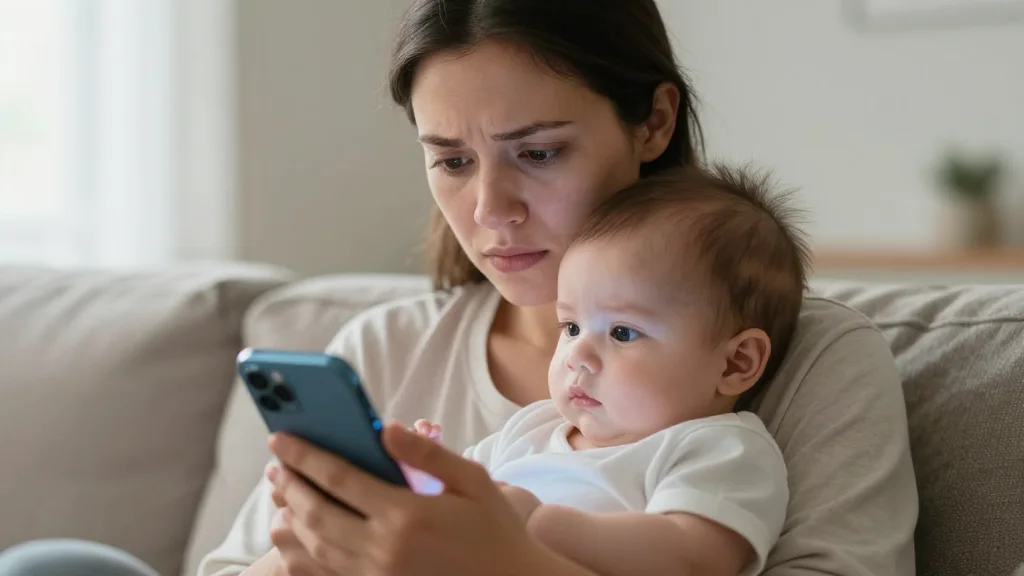
UC Irvine Study Finds Digital Device Calming Linked to Toddler Behavior Problems and Maternal Stress

Why It Matters
The study highlights a nuanced risk factor in early childhood development: not just how much screen time children receive, but why screens are used. By linking device‑mediated soothing to behavior problems and maternal stress, the research suggests that everyday parenting choices can set trajectories for emotional regulation and family well‑being. For pediatricians, educators, and policymakers, the findings provide a data‑driven basis to refine guidance, moving beyond blanket screen‑time limits toward context‑specific advice that supports healthier parent‑child interactions. If the stress‑device‑behavior cycle proves robust, interventions that address parental stress—through mental‑health support, community resources, or parenting programs—could indirectly reduce reliance on digital devices. This could improve child outcomes at scale, given the ubiquity of smartphones and tablets in modern households.
Key Takeaways
- •Study tracked 210 families from 9 to 30 months, a longitudinal design rare in media‑use research.
- •Frequent use of digital devices to calm children correlated with increased externalizing behavior problems.
- •Higher maternal stress predicted more device use, creating a feedback loop that amplified child behavior issues.
- •Fathers also showed a link between device use and child behavior, though not directly tied to stress levels.
- •Researchers urge a shift from total screen‑time limits to guidance on the context of media use.
Pulse Analysis
The UC Irvine study arrives at a pivotal moment when the tech industry is pushing ever‑more child‑friendly content onto mobile platforms. While manufacturers tout educational apps, the research underscores that the act of handing a device to a distressed child may undermine the very developmental goals those apps claim to support. Historically, parenting advice has oscillated between strict screen bans and permissive allowances; this evidence pushes the field toward a middle ground that emphasizes intentional use.
From a market perspective, the findings could spur demand for alternative soothing tools—soft toys, sensory kits, and parent‑training apps that focus on emotional coaching rather than distraction. Companies that can embed evidence‑based calming techniques into their products may gain a competitive edge, especially if pediatric associations begin to reference this study in their recommendations. Conversely, firms that rely on passive screen exposure as a primary engagement strategy may face heightened scrutiny.
Looking ahead, the study’s longitudinal nature offers a template for future research that tracks the long‑term impact of early media habits on academic achievement, mental health, and social competence. Policymakers might leverage these insights to craft nuanced regulations that address not just screen‑time quantity but also the contexts in which screens are introduced. For parents, the takeaway is clear: the convenience of a digital device should not replace the developmental value of responsive, interactive caregiving.
UC Irvine Study Finds Digital Device Calming Linked to Toddler Behavior Problems and Maternal Stress
Comments
Want to join the conversation?
Loading comments...