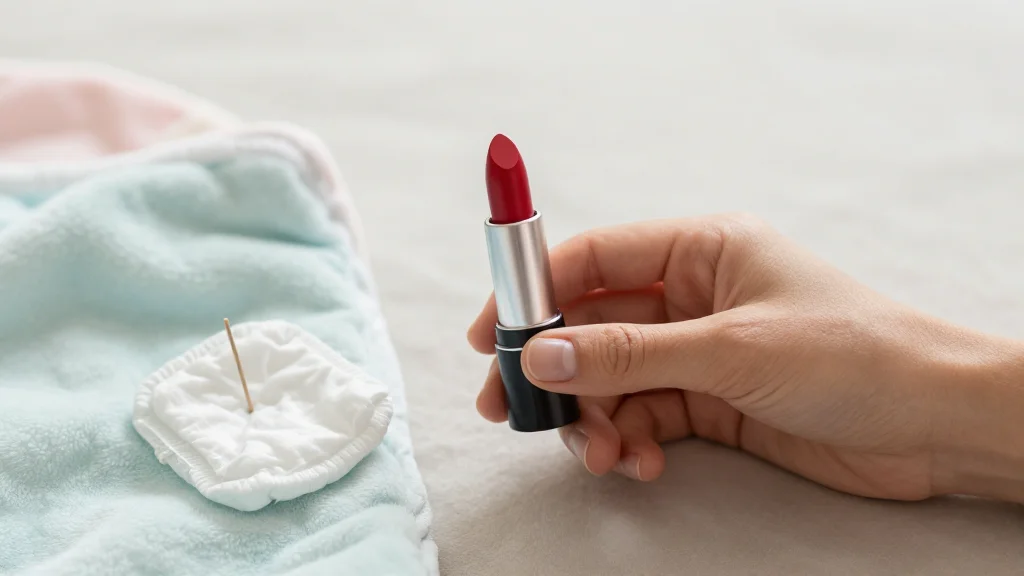
UK Doctors Recommend £5 Lipstick as Quick Mental‑Health Reset for New Mothers

Why It Matters
The proposal highlights a growing recognition that mental‑health support must adapt to the realities of modern motherhood, where time is scarce and traditional services are overstretched. By offering an ultra‑low‑cost, portable tool, the approach could empower mothers to take immediate action during moments of acute anxiety, potentially reducing the severity of postnatal depressive episodes. Moreover, the initiative draws attention to systemic gaps in NHS mental‑health provision, prompting policymakers to consider how brief, self‑administered interventions can be integrated with professional care pathways. If validated, the lipstick strategy could inspire similar micro‑interventions across other high‑stress demographics, reshaping how health services think about accessibility and user‑centred design. It also raises important questions about the balance between self‑help tools and the responsibility of health systems to provide timely, comprehensive treatment.
Key Takeaways
- •UK maternal health experts recommend a £5 (~$6.40) lipstick as a ten‑second anxiety break.
- •Official data: 7‑15 % of women face perinatal depression; >10 % develop postnatal depression.
- •Working mothers average only 17 minutes of uninterrupted downtime per day.
- •NHS Talking Therapies wait times can extend up to 18 weeks, leaving many mothers unsupported.
- •Pilot programs will test lipstick kits in NHS trusts, with results expected later this year.
Pulse Analysis
The lipstick recommendation reflects a broader trend toward micro‑interventions in mental‑health care, where brief, repeatable actions are leveraged to create measurable physiological benefits. Historically, maternal mental‑health strategies have focused on counseling, medication, and community support groups—approaches that require significant time and logistical coordination. By contrast, a ten‑second sensory cue aligns with emerging evidence that brief grounding techniques can lower cortisol and improve emotional regulation when applied consistently.
From a market perspective, the idea could spawn a niche segment of wellness products tailored for parents, merging cosmetics with mental‑health functionality. Brands might partner with NHS trusts to co‑brand kits, creating a new revenue stream while supporting public‑health goals. However, the success of such products will hinge on rigorous clinical validation; without data demonstrating a causal link between lipstick use and reduced anxiety, the recommendation risks being dismissed as a gimmick.
Looking ahead, the key challenge will be integrating these micro‑tools into a cohesive care continuum. If pilot studies show that mothers who use the lipstick experience lower anxiety scores, health authorities could embed the practice in postnatal checklists, alongside referrals to therapy and digital support apps. Conversely, if outcomes are negligible, the initiative may serve as a cautionary tale about over‑reliance on low‑effort solutions in the face of systemic service shortfalls. Either way, the conversation underscores the urgency of rethinking how mental‑health resources are delivered to mothers who simply cannot afford to wait weeks for professional help.
UK Doctors Recommend £5 Lipstick as Quick Mental‑Health Reset for New Mothers
Comments
Want to join the conversation?
Loading comments...