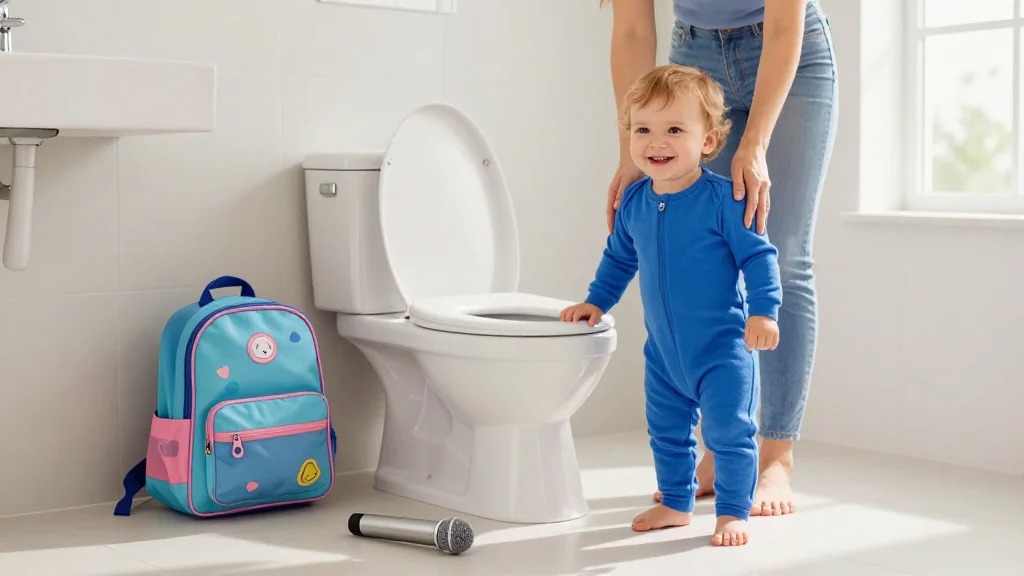
UK Government Launches Rap Song to Boost Toilet‑Training and School‑Readiness

Why It Matters
The rap initiative highlights a growing trend of governments using entertainment formats to convey public‑health and education messages, aiming to cut through information fatigue. If the song improves toilet‑training rates and other readiness milestones, it could reduce early‑year classroom disruptions and boost long‑term academic outcomes. Conversely, a failure could underscore the limits of surface‑level interventions when deeper resource gaps persist in early‑years provision. Beyond the UK, the approach may inspire other nations to experiment with culturally tailored media to address child development challenges, reshaping how policy agencies engage families in the digital age.
Key Takeaways
- •UK Department for Education releases "Steps For School" rap with MC Grammar
- •Target: 75% of children school‑ready by 2028; current readiness at 68.3% (2024/25)
- •37% of pupils start reception lacking basic readiness, per teacher survey
- •One‑in‑four children entering reception in 2025 not toilet‑trained
- •Pilot evaluation to begin in select local authorities later this year
Pulse Analysis
The rap strategy reflects a broader shift toward "edutainment" in public policy, where governments borrow from pop culture to increase message retention. Historically, UK campaigns have relied on pamphlets and school newsletters; this is the first time a full‑length rap track has been officially endorsed for early‑years development. The partnership with MC Grammar, a former teacher, lends credibility while also tapping into the growing influence of grime and hip‑hop among younger parents.
From a competitive standpoint, the initiative pits creative outreach against traditional resource‑heavy interventions such as increased funding for early‑years staff or expanded nursery capacity. While the latter address structural deficits, the rap aims for rapid behavioral change at the household level. If data show measurable gains in toilet‑training and independent dressing, policymakers may double‑down on media‑driven tools, potentially reallocating modest budgets toward content creation rather than staffing.
Looking ahead, the success of "Steps For School" could set a precedent for other ministries—health, safety, even climate education—to adopt similar formats. However, the approach also risks criticism for oversimplifying complex developmental issues. The upcoming pilot will be a litmus test: if parents report higher confidence and children demonstrate improved readiness, the rap could become a staple of the UK's early‑years toolkit; if not, it may be relegated to a quirky footnote in the annals of policy experimentation.
UK Government Launches Rap Song to Boost Toilet‑Training and School‑Readiness
Comments
Want to join the conversation?
Loading comments...