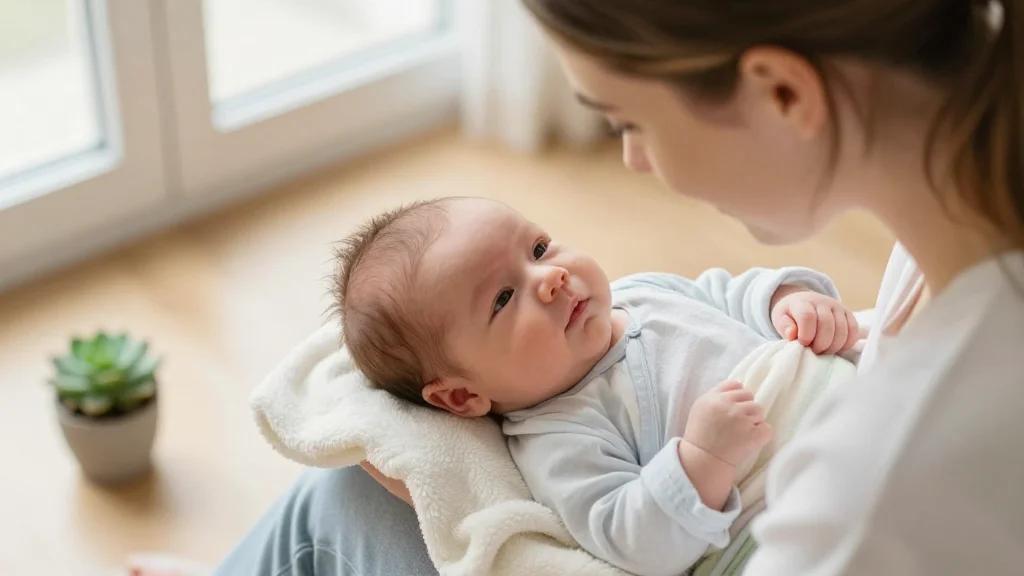
UQ Evaluation Shows Safe‑housing Program Lifts At‑risk Young Mothers and Babies

Why It Matters
The findings matter because they demonstrate that stable, youth‑centred housing combined with intensive support can break the cycle of violence, homelessness and child‑protection involvement for young mothers. By improving confidence, parenting capacity and economic self‑sufficiency, the program not only benefits individual families but also eases pressure on strained public‑health and social‑service systems. If replicated, the model could reshape how governments address maternal vulnerability, shifting from fragmented emergency responses to proactive, holistic care that yields measurable social and economic returns.
Key Takeaways
- •UQ evaluated BYS Safe Young Mums and Bubs program, analysing over 2,000 data points.
- •Participants aged 16‑25 receive up to 18 months of shared housing and 24/7 support.
- •Young mothers reported increased confidence, budgeting ability and parenting skills.
- •Program aims to reduce homelessness, domestic‑violence fallout and child‑protection interventions.
- •Evaluation results are prompting discussions of statewide expansion and policy integration.
Pulse Analysis
The BYS Safe Young Mums and Bubs initiative marks a shift from reactive crisis management toward preventive, integrated service delivery for at‑risk mothers. Historically, Australian policy has treated housing, domestic‑violence support and child‑protection as siloed functions, often leading to gaps that leave young mothers stranded. By co‑locating services and embedding them in a youth‑centred environment, the program creates a feedback loop: stability enables skill‑building, which in turn reinforces stability.
From a market perspective, the model could attract private‑sector social‑impact investors seeking measurable outcomes. The documented improvements in budgeting and employment readiness suggest a future reduction in welfare dependency, offering a compelling ROI narrative for funders. Moreover, the program’s data‑driven evaluation sets a new benchmark for evidence‑based social interventions, encouraging other jurisdictions to adopt similar metrics.
Looking ahead, scalability will hinge on sustained government funding and the ability to replicate the relational culture that underpins success. If Queensland can secure multi‑year budget commitments and embed the model within broader health‑housing strategies, the program could become a national template, reshaping how Australia supports its most vulnerable mothers and, by extension, the next generation.
UQ evaluation shows safe‑housing program lifts at‑risk young mothers and babies
Comments
Want to join the conversation?
Loading comments...